Human & Fate
Overview
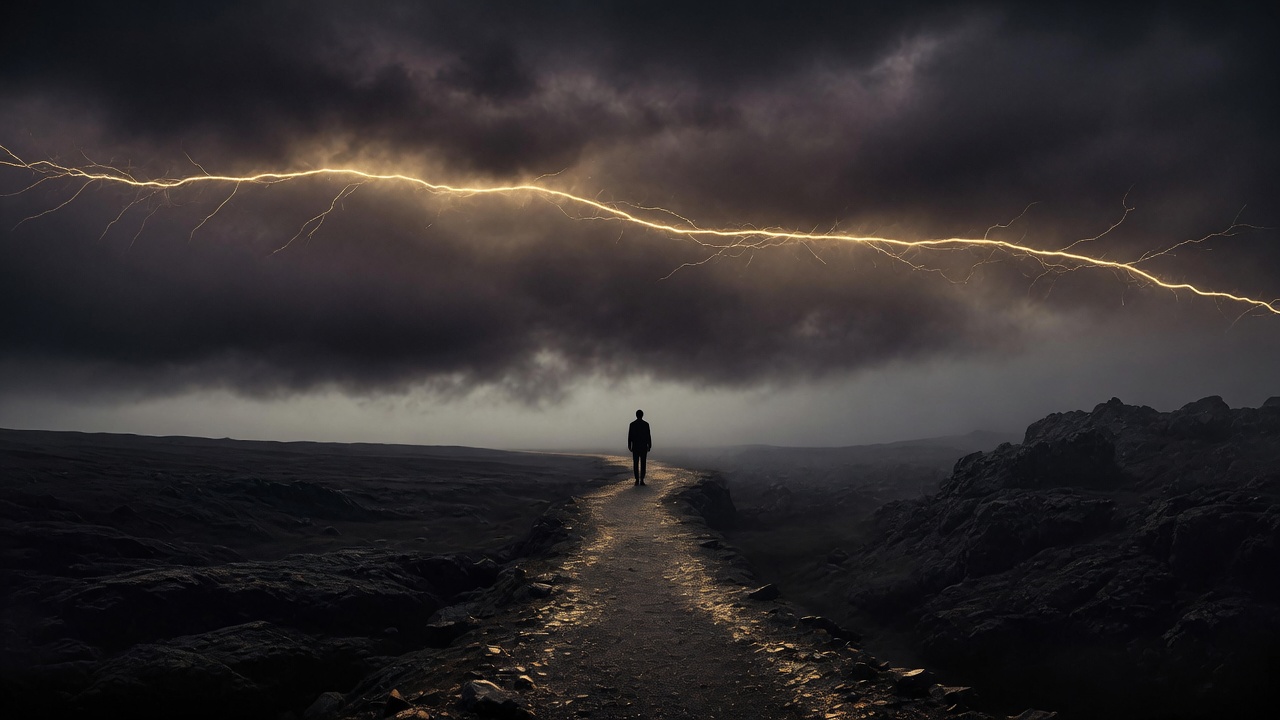
Where the cost has already been paid
Human & Fate is pressure at the size of a person, which is large enough. Tragedy, quiet loss, isolation, a memory that will not stay hired, aftermath, and the end that arrived without a blast: the house holds them without a cosmic alibi and without spectacle as the main event. A decision has already cost something before the frame bothers to introduce itself. A room has already emptied. A name no longer fits the mouth that keeps using it.
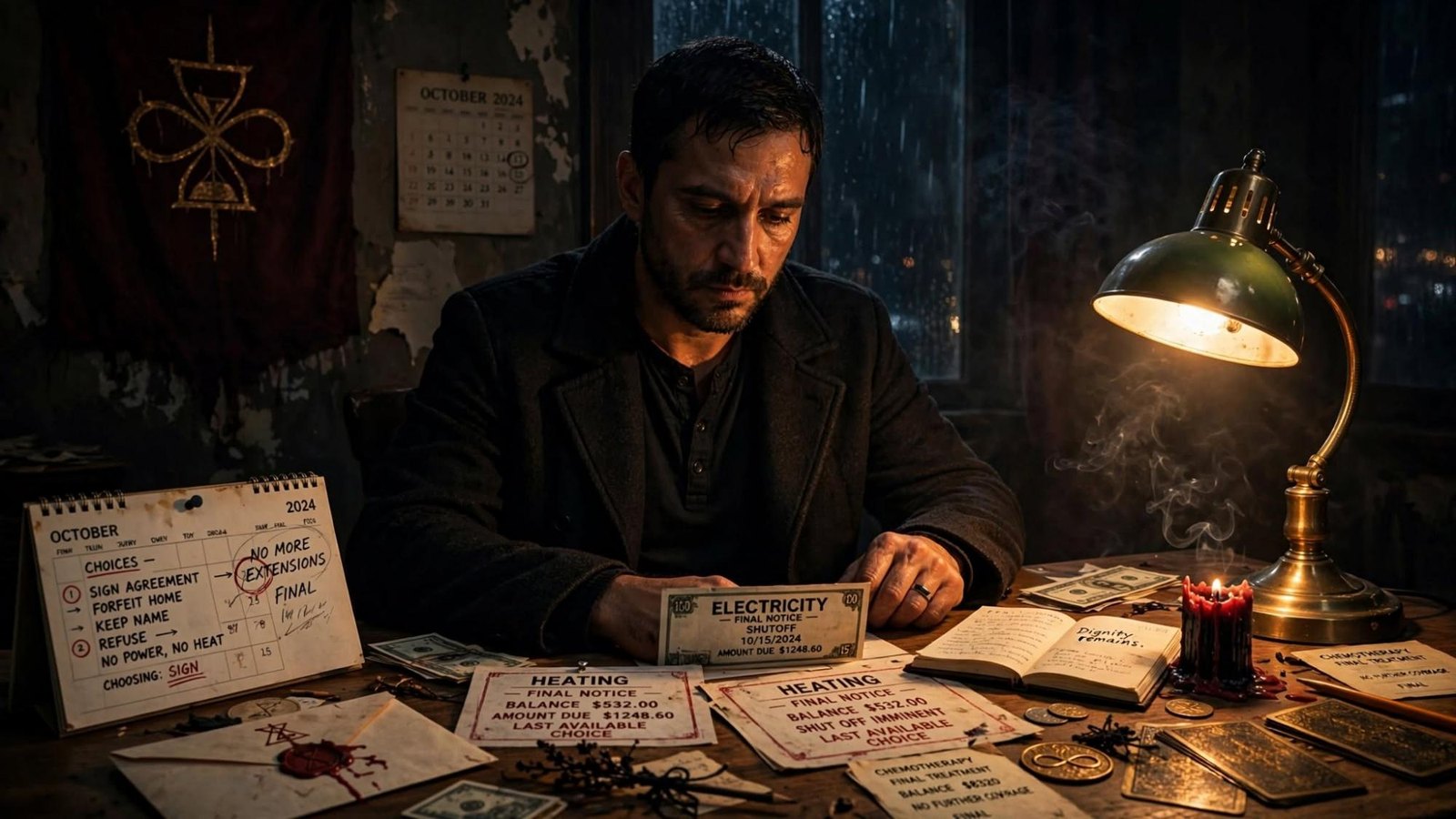
Nobody here is saved by a genre. They are kept, which is less flattering, by what they chose and by what remained after the choice got up and left the chair. Bills, calendars, unanswered calls and ordinary furniture stay in the shot. The house does not promote them to symbols. It lets them be the plot.
One cost, six doors
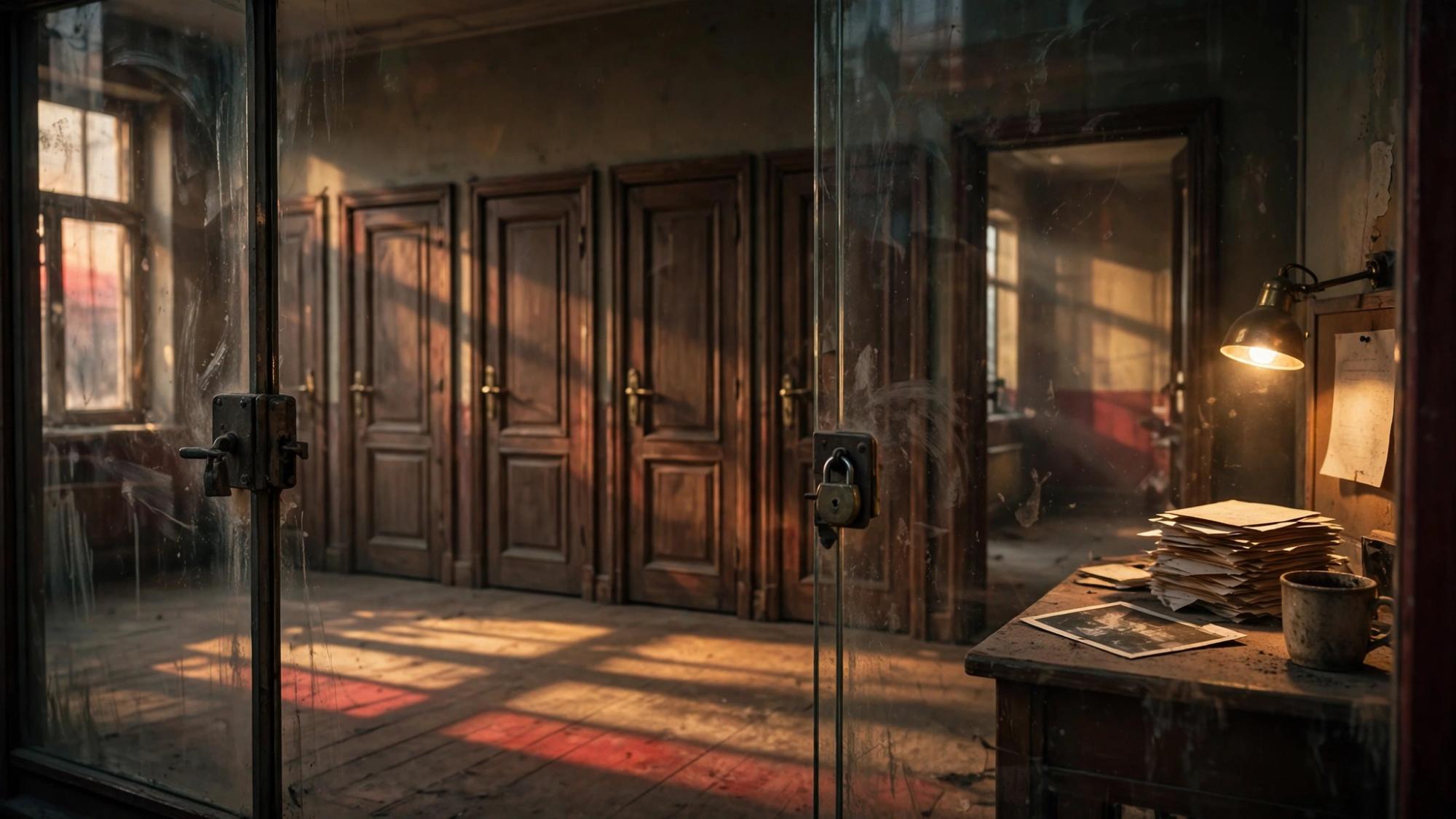
Tragedy keeps a dignity that knows the outcome early and refuses to become a speech about it. Melancholy Drama measures loss by the letters that will not be sent and the afternoon that refused to end. Isolation is distance that noise cannot cross, including the noise you make on purpose. Memory / Identity negotiates with an earlier face and sometimes loses the negotiation. Aftermath / Ruin starts when the event is already ashamed of itself. Quiet Apocalypse is the soft end of systems: shops still stocked, lights that choose silence, a week that keeps its appointments anyway.
Six doors, one cost. The house will not let you file any of them under adventure. Adventure would imply the cost is still ahead of you. It is not.
Why they belong together
What remains when force has already acted, and the only work left is to stay human inside the result. That is the whole argument. The rooms disagree about furniture and agree about the hour. The hour is after.
In this house a film may change its coat. It may not hire a miracle to finish the scene, and it may not dissolve the person into a lesson clean enough to frame. If someone is still in the room, they are there at full size, tired, and not auditioning for rescue.
Climate
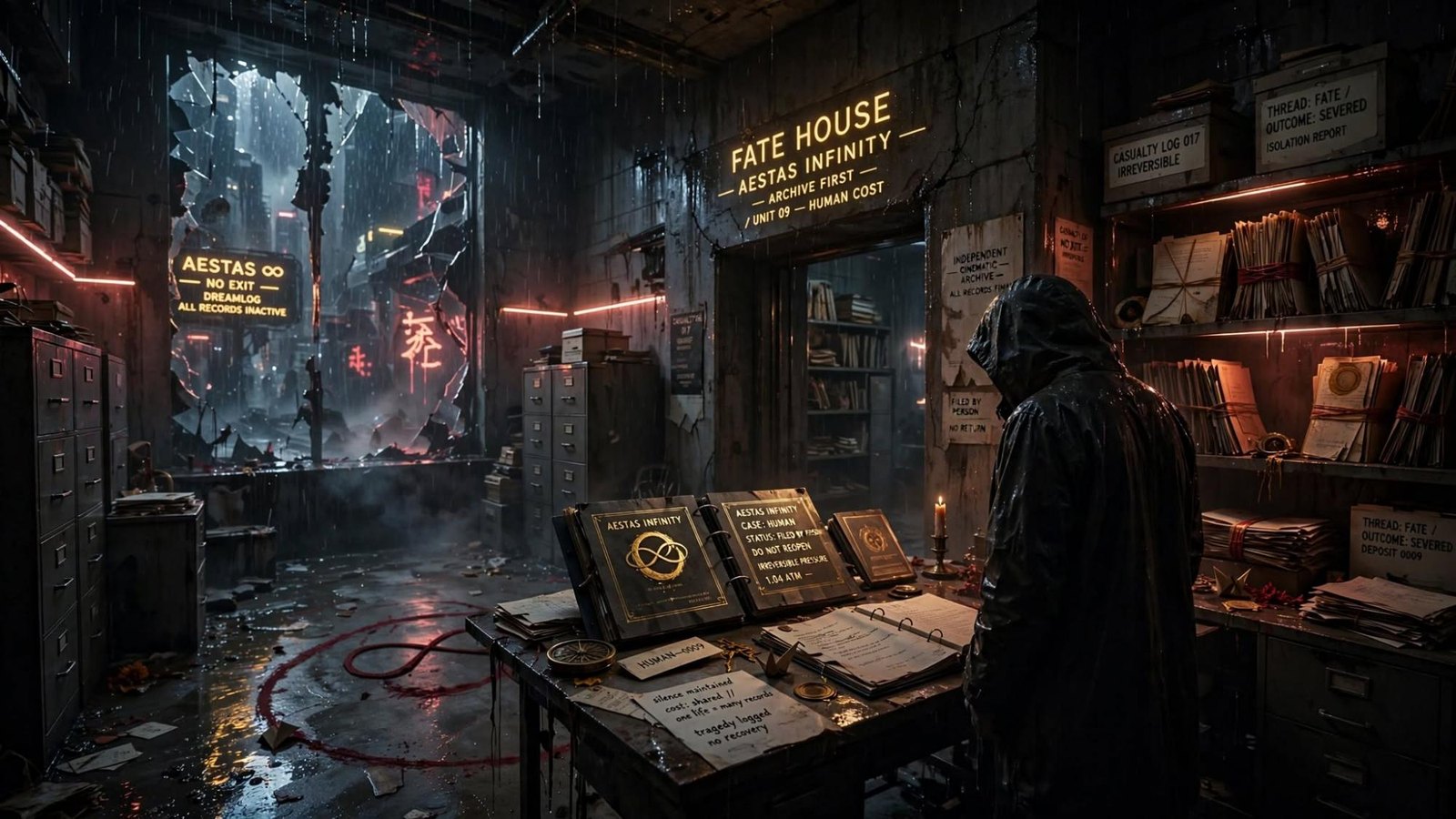
What this house holds
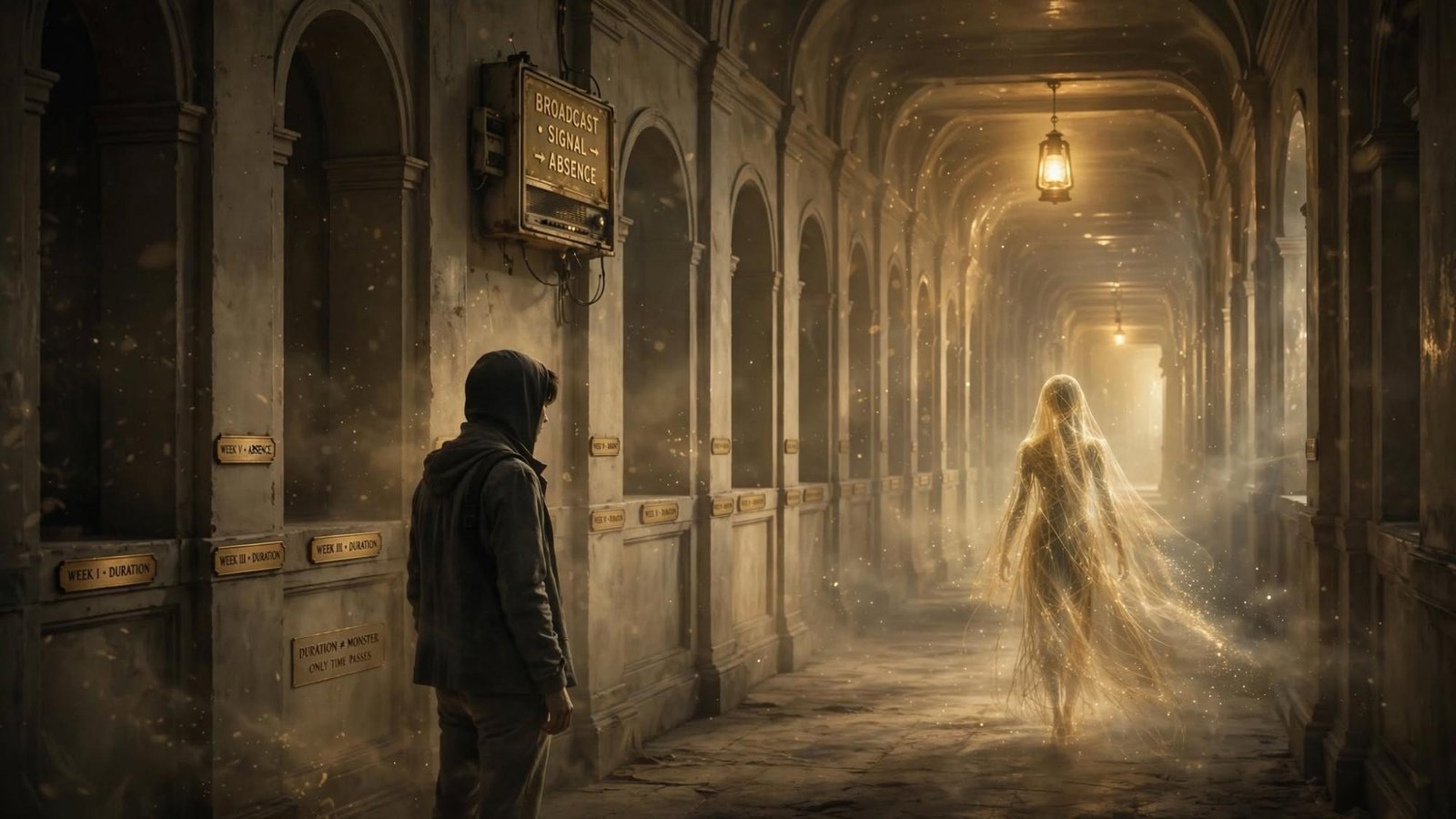
Human & Fate begins where explanation is weaker than consequence and knows it. A city can thin without a single blast worth filming as entertainment. A week can be the monster. A corridor can be the plot. The house likes duration because duration does not need a mask, and because people are more honest when they think the scene is only administration.
The house refuses two easy exits. It does not turn suffering into puzzle-box horror for the pleasure of being clever, and it does not dissolve the human into a pure symbol you could hang over a desk. Bodies stay bodies. When the end comes, it often arrives as a week, a broadcast into absence, a notice under a lamp, rather than as a creature with a schedule and a publicist.
Six atmospheres divide the work without splitting the philosophy:
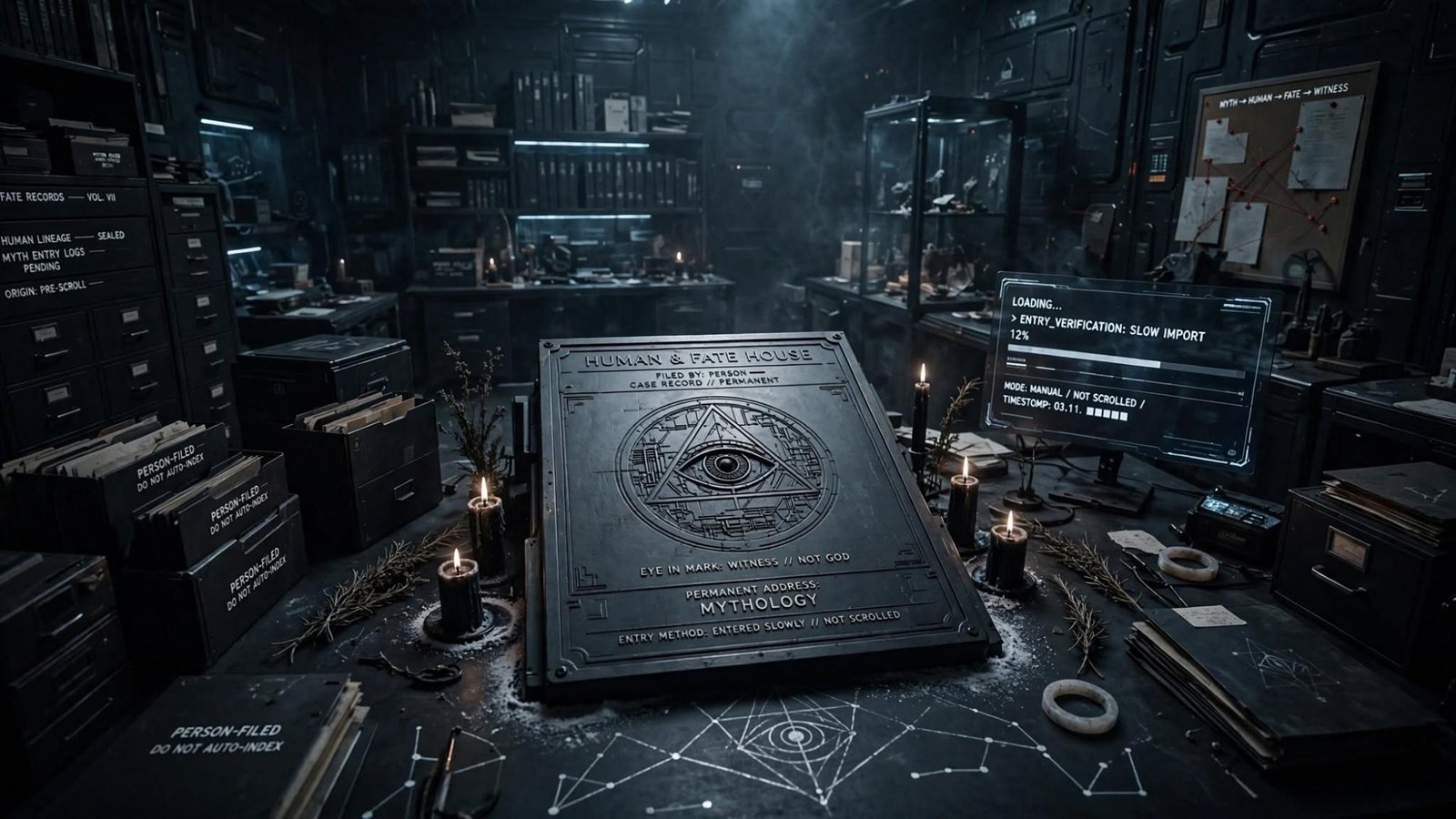
Tragedy — Dignity in the last available choice, which is a smaller room than people advertise. The Last Kindness is already spent by the time you see the parcel at the sealed door. Fall of the Ordinary Man does not require a palace. It requires a life that can be ended by arithmetic. Grief Without Audience is grief that will not perform. The Unfinished Apology stays unfinished, because finishing it would be a comfort the climate does not sell. Winter of Small Losses counts in coins, not in monuments. What Remains After is not a moral. It is the furniture that failed to get the message. The outcome is legible early. The film is about how a person stands once they can read it.
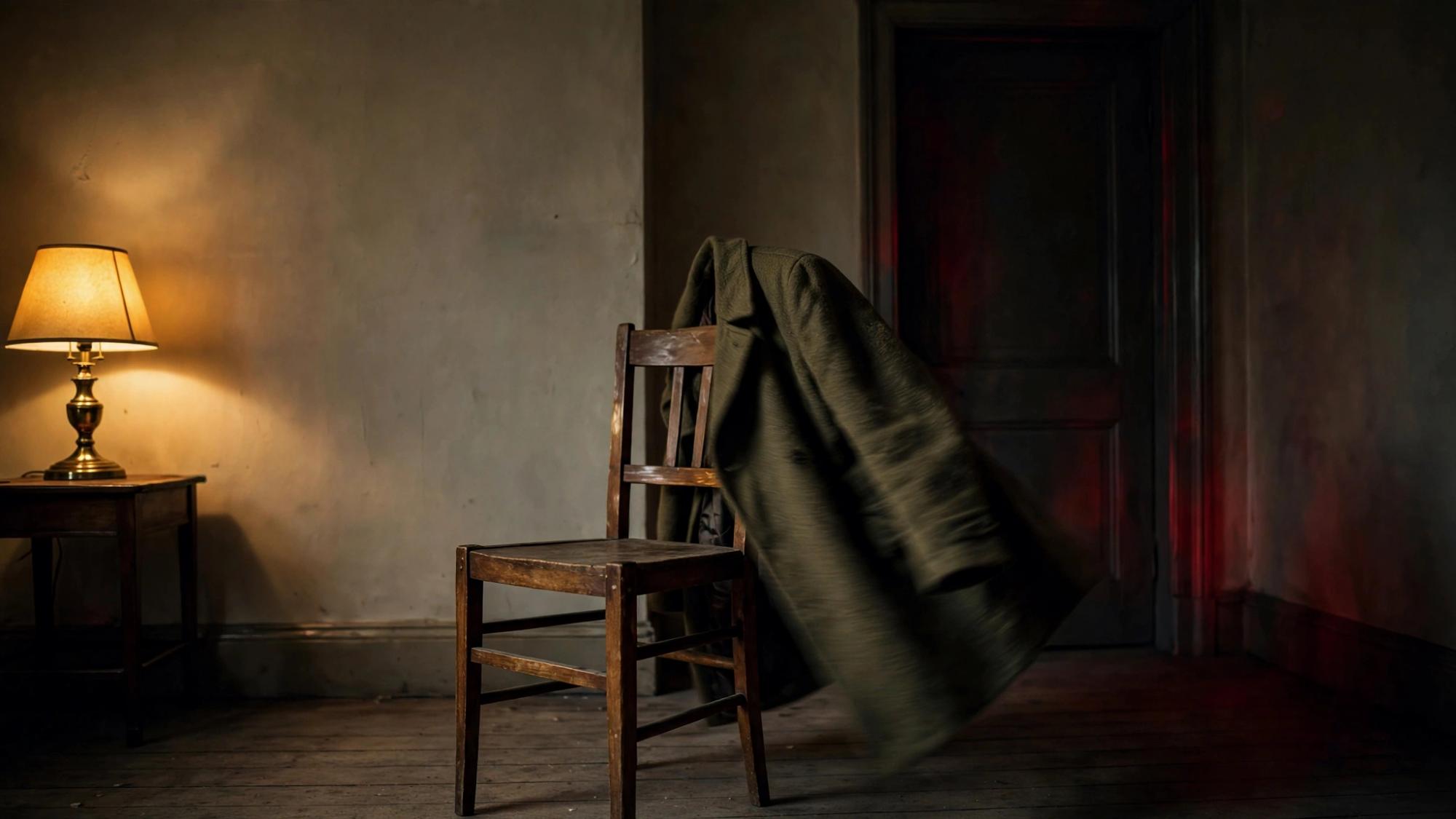
Melancholy Drama — Loss without a speech, which is harder to film than loss with a eulogy and much harder to leave. Letters Never Sent are a pile of competence addressed to no one. The Afternoon That Stayed refuses the evening out of spite or love, and the film will not tell you which. Soft Ending is an ending that will not raise its voice to be believed. Rain on Empty Chairs is the audience that went home without announcing a verdict. Portrait of a Quiet Life is not praise. It is an inventory. Years in a Single Room is what time looks like when it declines to become a montage. Nobody owes you a confession. The climate's idea of drama is a coat that stays on its hook.
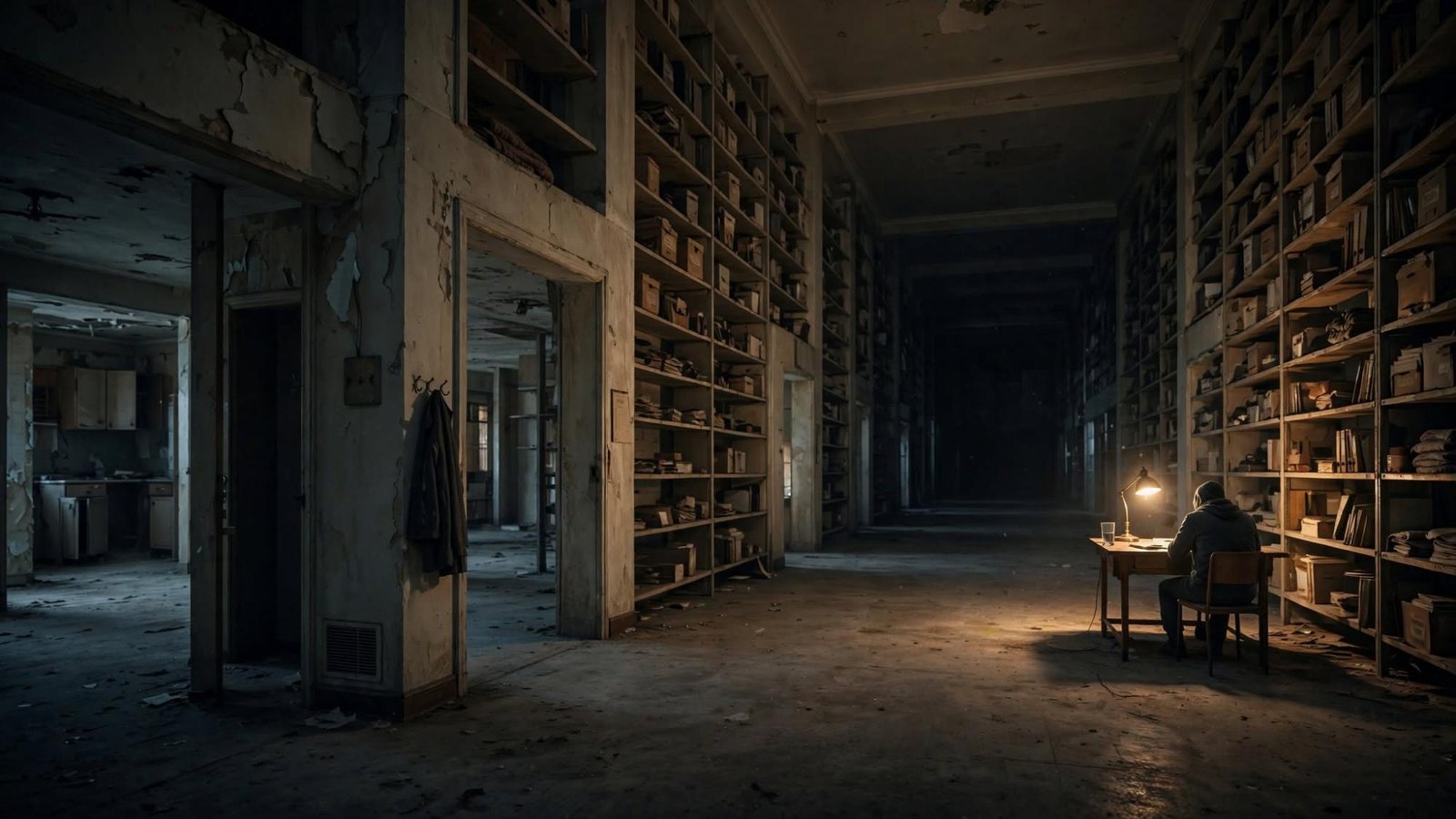
Isolation — Distance that noise cannot cross, including the noise of your own name said clearly. The Only Window is a room that owns exactly one way of looking out, and the road beyond it refuses to become a destination. Miles From Any Voice is a back on a road with no meeting scheduled and no cargo to make the walk look useful. Apartment 47 is a number that outlived the reason for visiting. The Unanswered Call leaves the receiver off its cradle and does not supply a voice to reward the gesture. Island of One is not a resort and not a prison. It is a scale. Silence as Companion is the machines after they stop performing alarm. Company, here, is what fails to arrive. The film does not apologize for the failure.
Memory / Identity — A negotiation with the earlier self, and the earlier self is a difficult creditor. Who I Was Before will not update the photograph just because the desk is tired. The Borrowed Face is a loan with interest and no honest term sheet. Memories for Sale is the market version of the same theft, priced for people who think a past can be itemised. Name I Cannot Keep is a page in the hands with nothing on it you are allowed to read aloud. The Other Version opens a door onto a face that already moved in. Erasure Protocol is administration applied to a person until the person fits the form. The house does not treat identity as a puzzle with a cute solution. It treats it as a room you may have to leave while still answering to the old name.

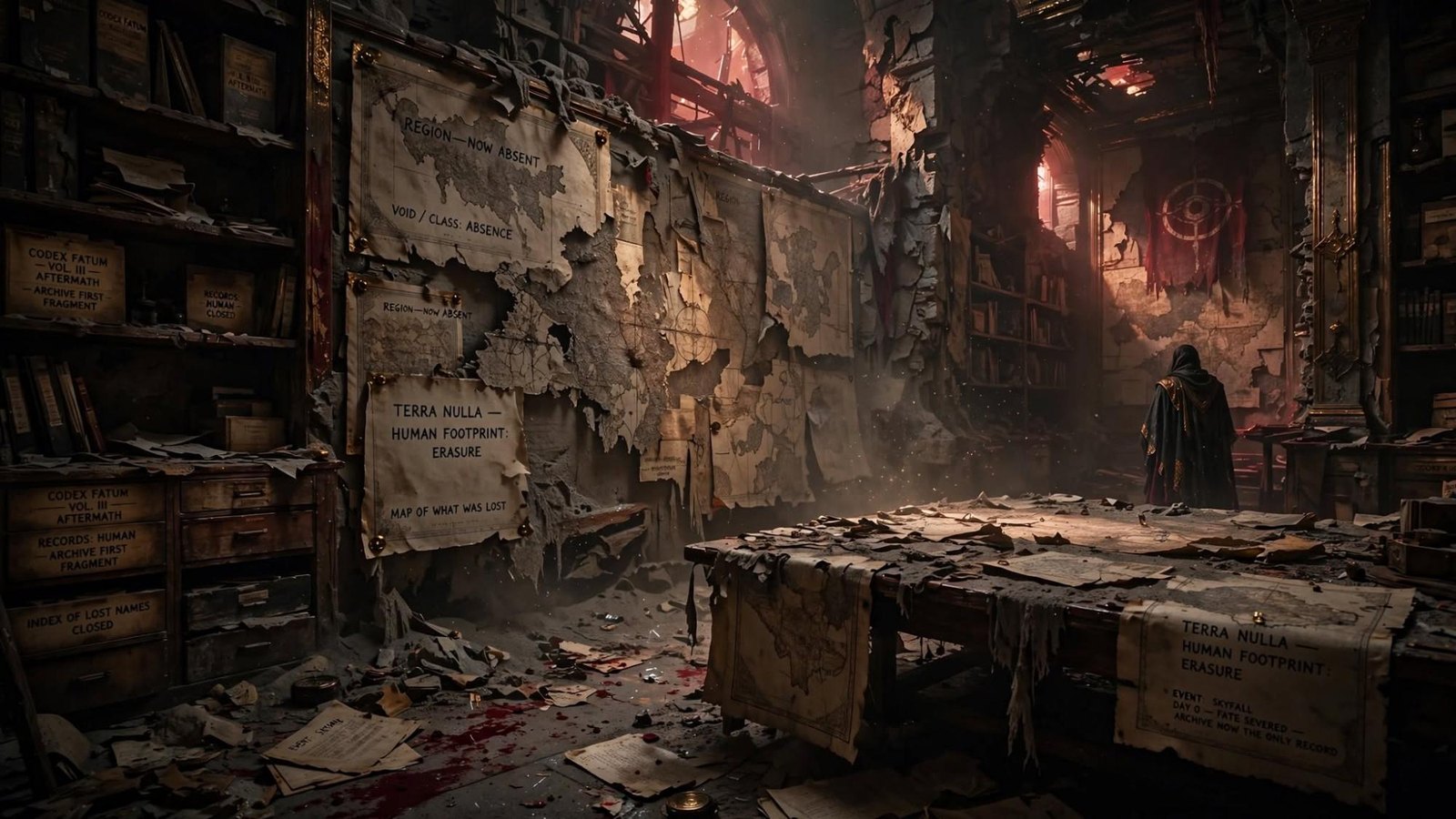
Aftermath / Ruin — After the event, with the event no longer in the room to take questions. After the Fall is not the fall. Ruins of the Ordinary is a kitchen, a cup, a chair that survived for no heroic reason. Dust Settlement is what a city does when it stops performing city. What the Fire Left is one glass on a scorched table, the kitchen behind it too shy to be in focus, and no flame left to blame. Map of Absence is paper that has learned the word gone. The Day After Names is the morning in which names are still used and no longer stick. Enter after. If you wanted the explosion, you wanted a different house and a cheaper thrill.
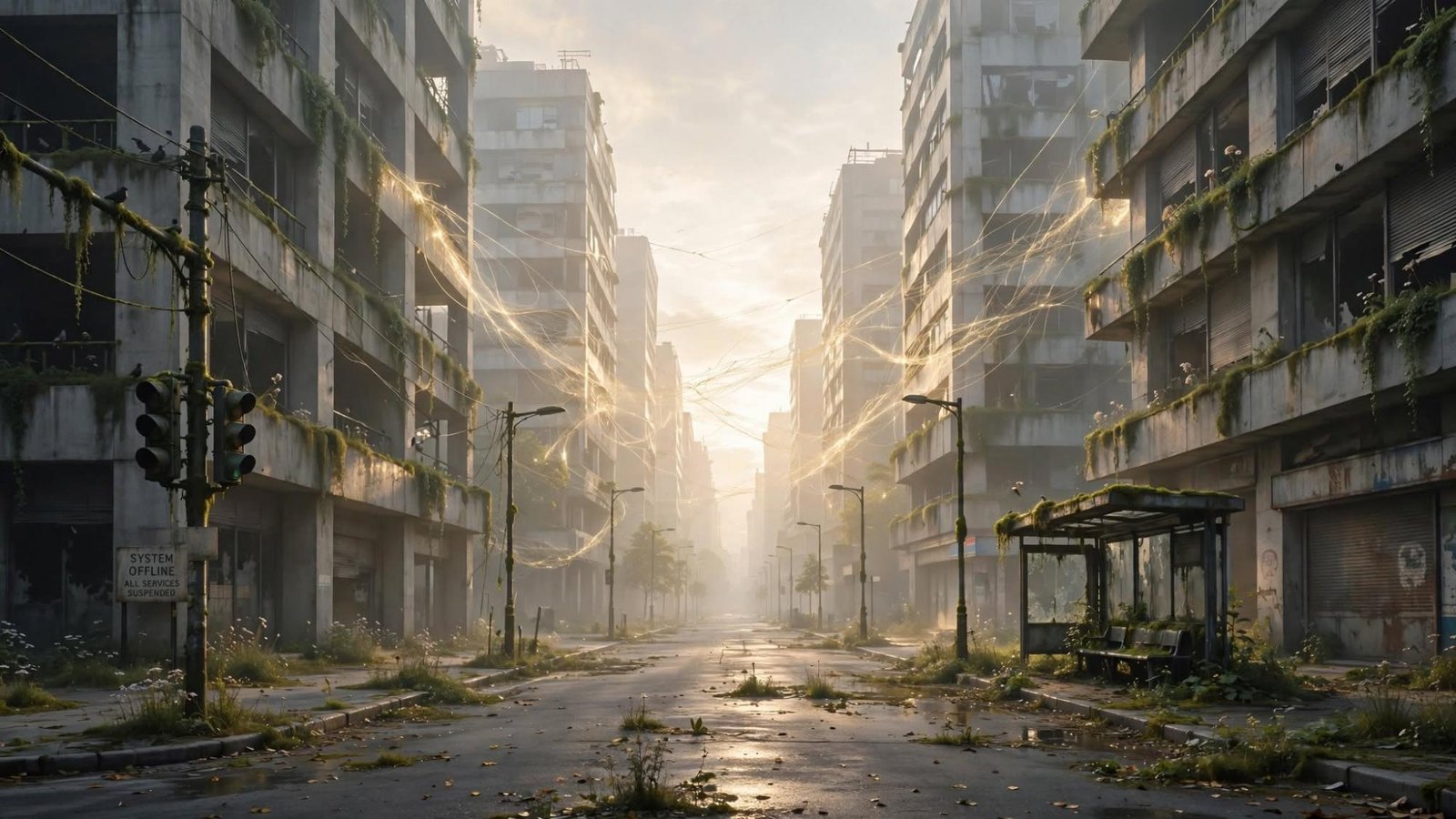
Quiet Apocalypse — The end that did not raise its voice, and is insulted by the suggestion that it should have. The Soft End of Cities leaves the glass intact and the shelves stocked, which is the indecent part. Signal After the Audience is a broadcast that continues out of professional habit. When the Lights Chose Silence, the windows go dark floor by floor and one sodium lamp remains, not as hope, as a clerk. Empty Motorway is a road that kept its job description and lost its reason. Calendar of the Last Week still has appointments, because paper is braver than people or simply slower. Quiet After People is a back, a set of keys, signs that have stopped competing. No blast. No rubble as spectacle. The apocalypse, in this climate, is a failure of traffic.
What this house is not
It is not the home of multi-episode sagas. Those doors open under Episodes. It is not a shop window and not a feed. It is not puzzle-box cruelty, and it is not a symbol with the person scraped off. Suffering that exists to prove the author is serious belongs somewhere noisier. Each climate page and each film page is built to remain readable years after the upload date.
Tragedy
Climate
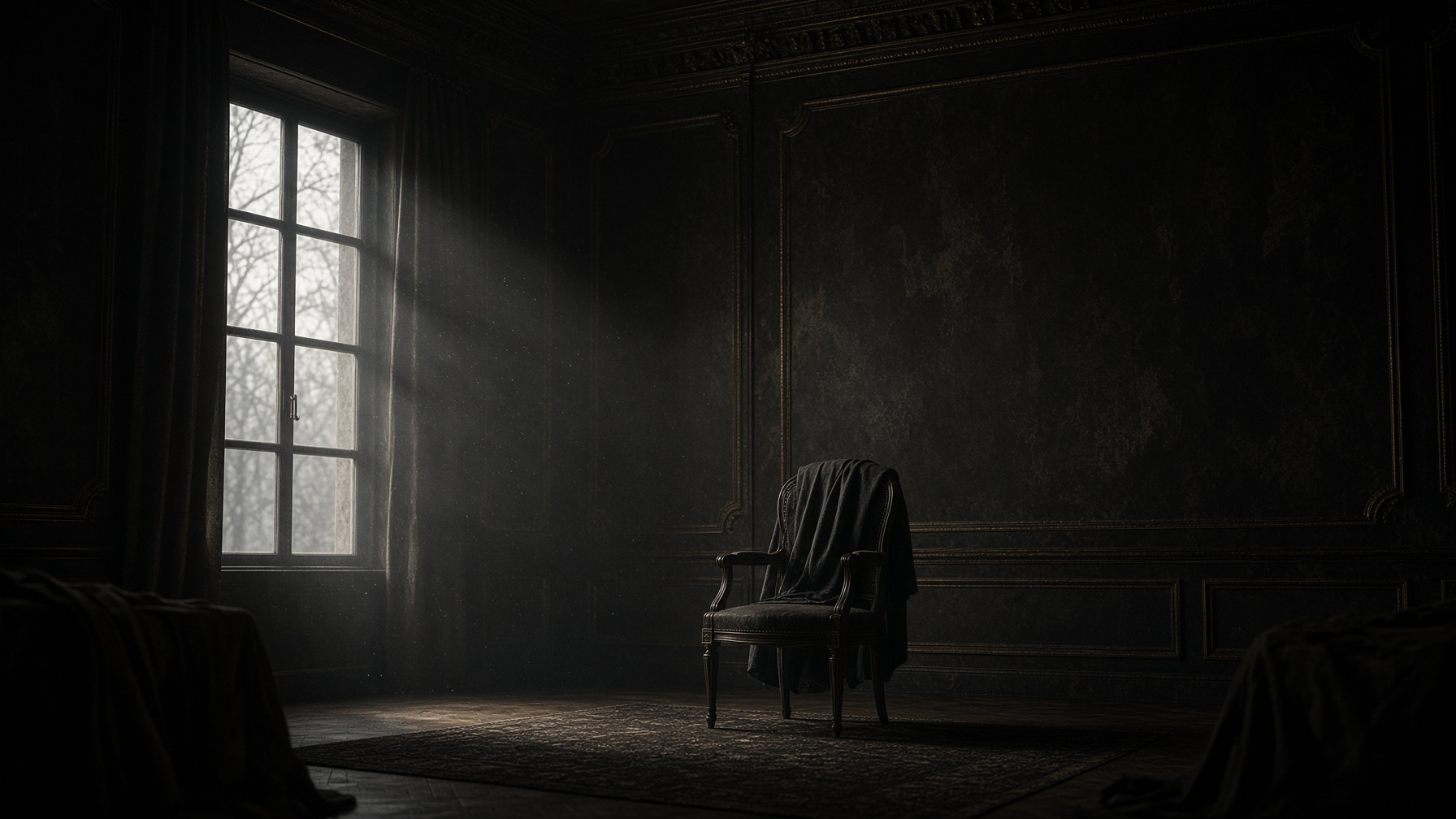
The outcome can be read from the doorway, which is why the film does not waste time pretending otherwise. A notice under a lamp, a kindness already left at a sealed house, a winter counted in small losses rather than in a single respectable disaster.
Enter for the last available choice, not for a reversal. Dignity here is not a speech. It is how someone stands once the arithmetic is public.
Melancholy Drama
Climate
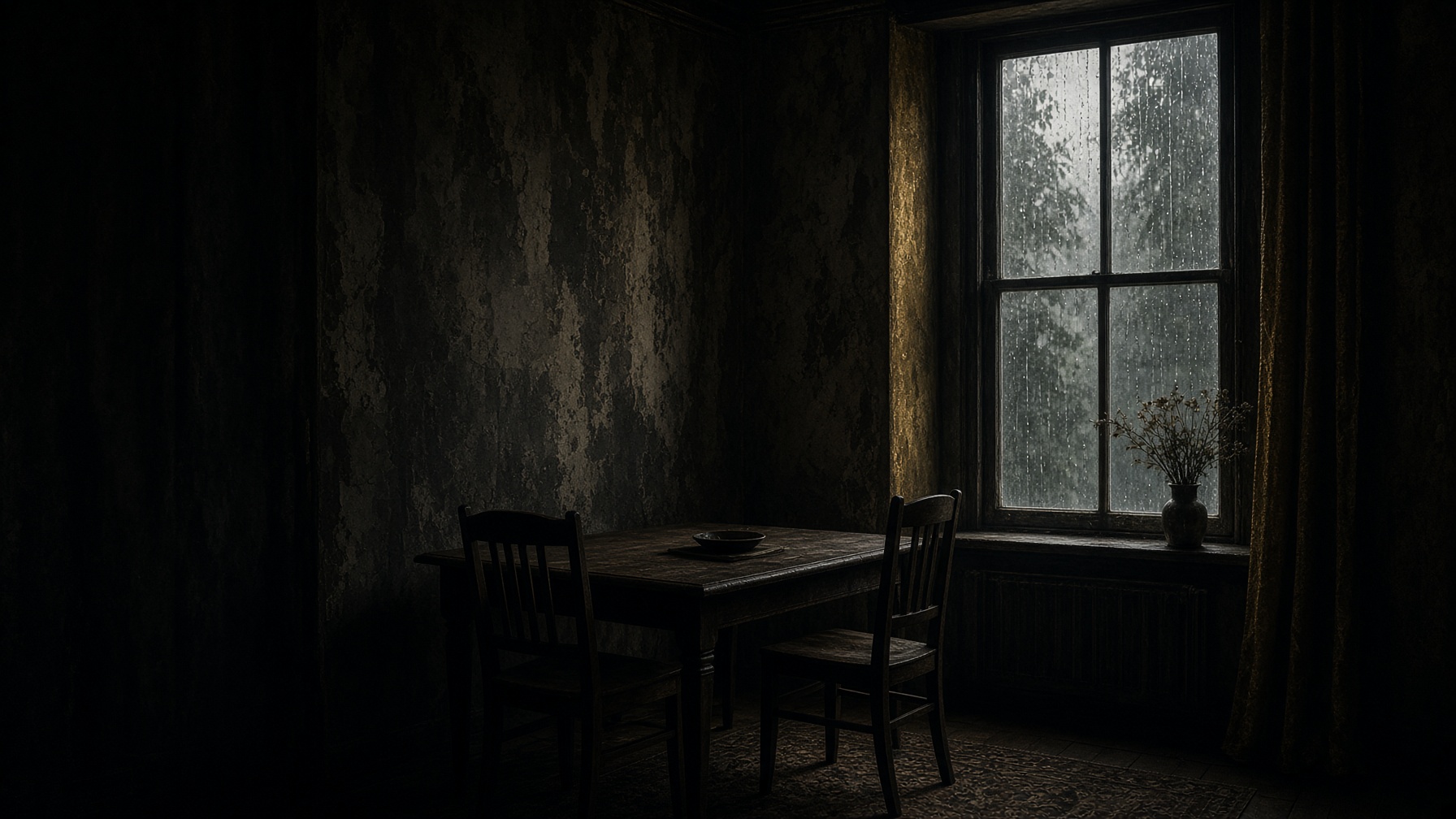
No one is going to explain the loss to a listener who arrived late. Letters stay unsent. Chairs stay empty in the rain. An afternoon refuses to become evening because the room has not agreed to the promotion.
Enter quietly. If the scene offers you a confession on a platter, be suspicious of the platter. This climate measures by what is not said and by what is left on a hook.
Isolation
Climate
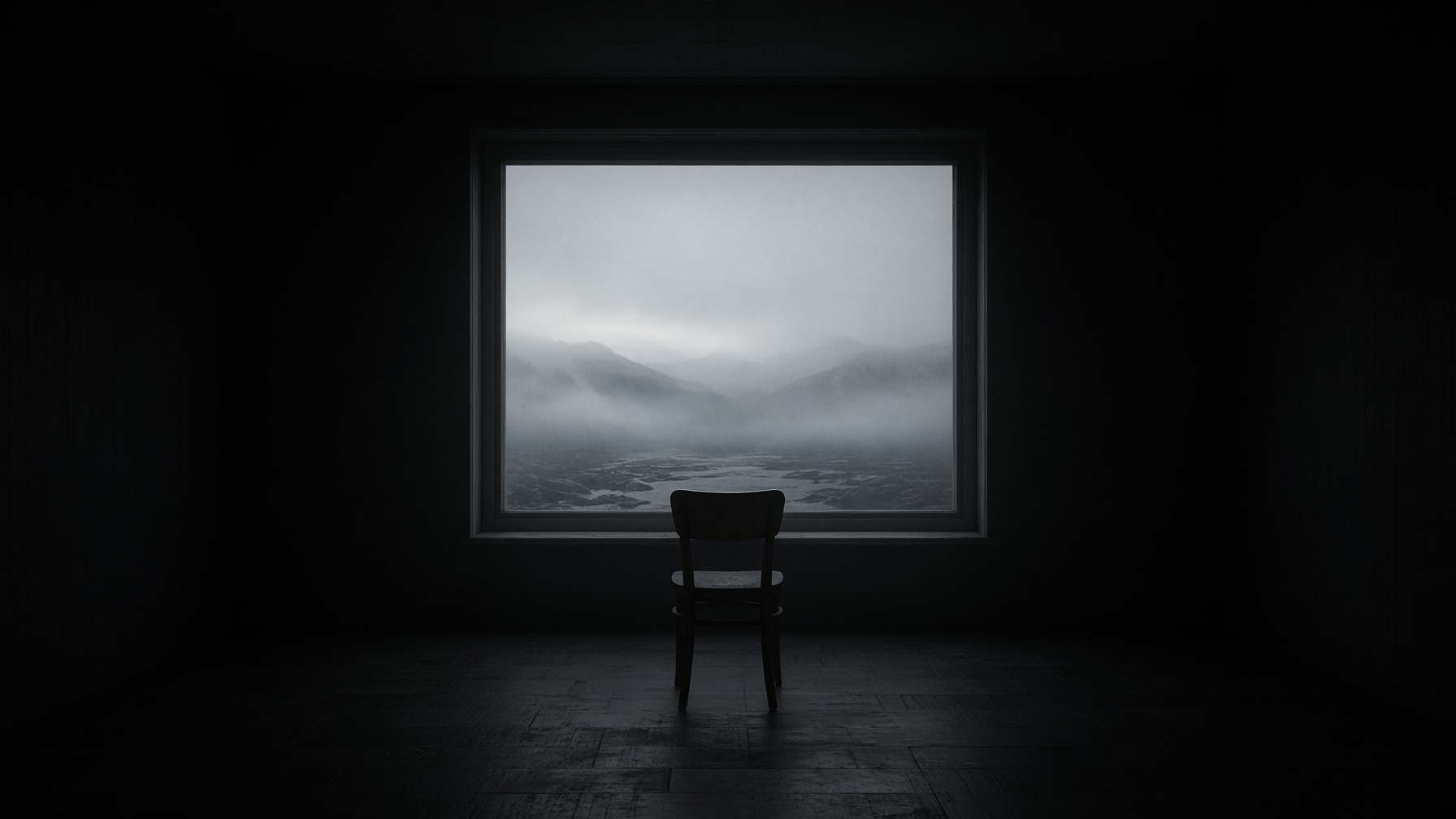
One window. A road that will not turn into a plan. A call that is off the hook and unanswered, which is not the same thing as dramatic. A person seen from behind, if a person is required at all, and no meeting walking the other way to redeem the distance.
Enter when you can tolerate company that consists of silence doing its job. Noise will not ferry you across. That includes yours.
Memory / Identity
Climate
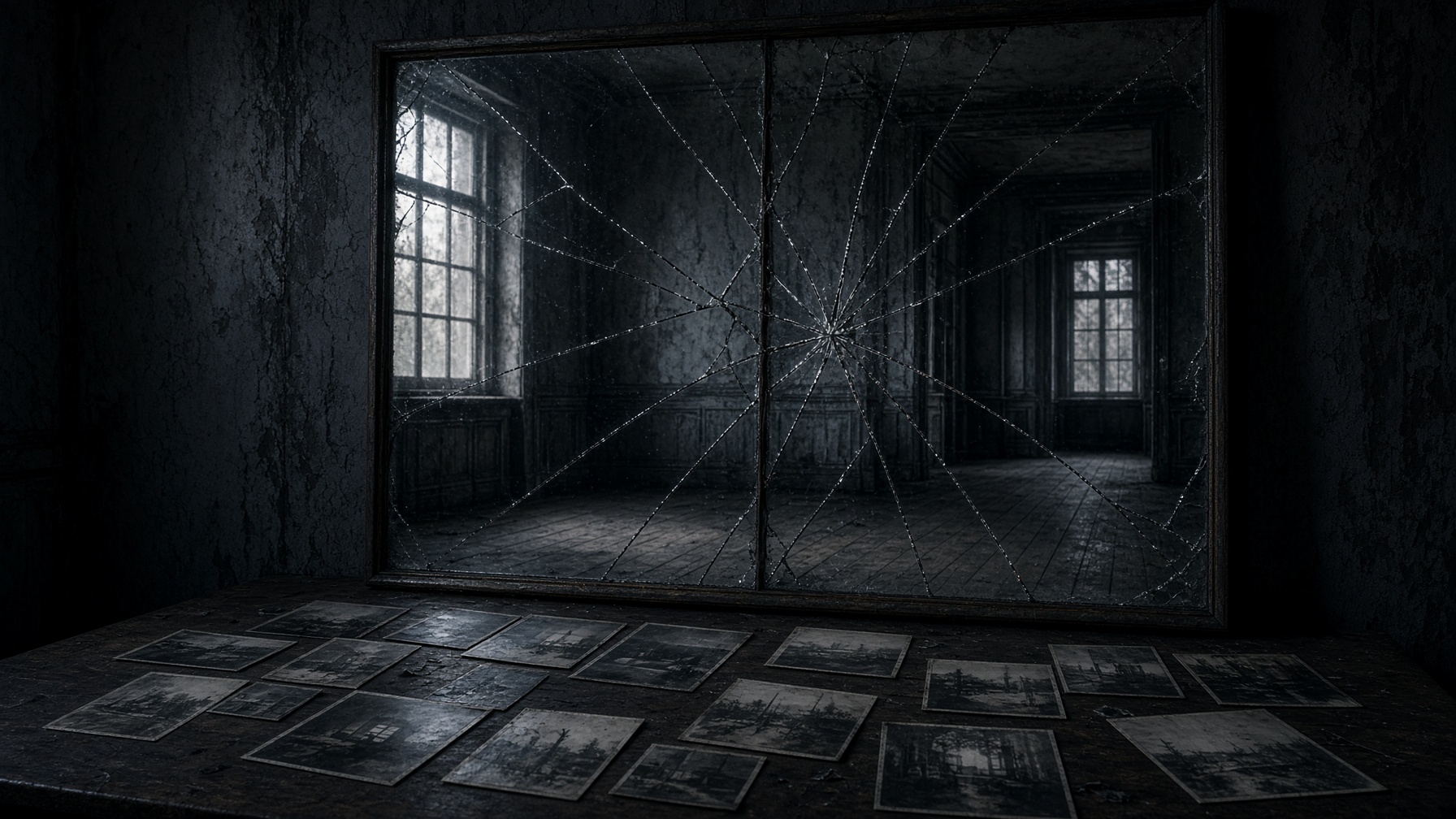
The photograph on the bare desk does not update. The mirror is in debt to a younger face, or to a borrowed one. A page in the hands has a name you are not allowed to read, which is more honest than a twist.
Enter as a negotiation, not as a makeover. The earlier self is not here to hug you. It is here because the paperwork still carries it.
Aftermath / Ruin
Climate
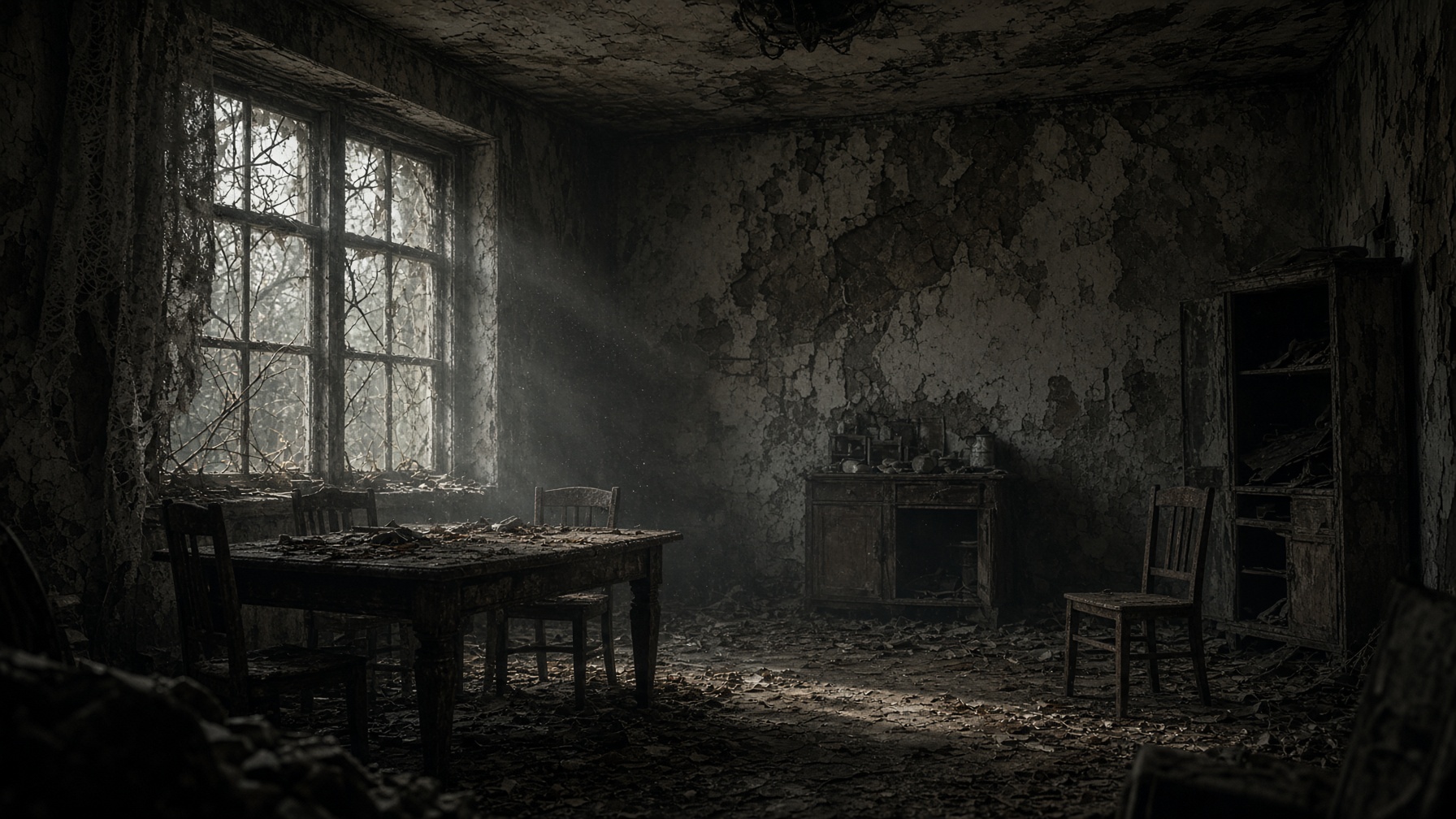
You are late, which is the correct time. Dust, a cup the fire did not bother to take, maps that have started saying absent instead of naming places. No flame in the heroic sense. The event has left the building and the building kept the receipt.
Enter after. The climate has no interest in replaying the blow for people who missed it and feel owed.
Quiet Apocalypse
Climate
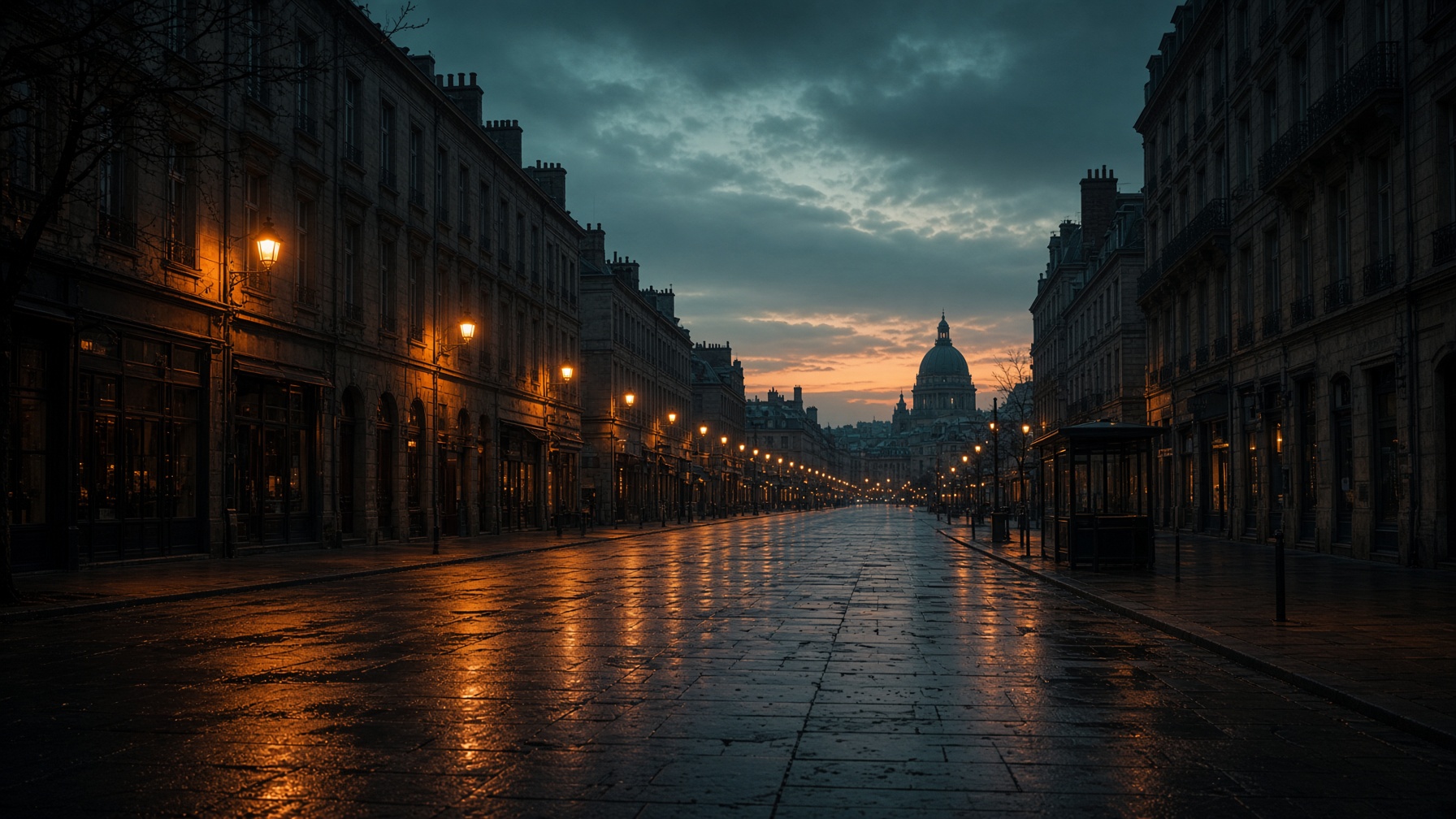
The shops are still stocked. That is the sentence. A locked door, a blank sign, one sodium lamp, a calendar that has not heard the news, a motorway with opinions about emptiness. Nobody detonated the city for your viewing pleasure.
Enter at speaking volume. If you need a blast to believe an ending, this door will waste you, and it will not apologise.