Tragedy
Overview
Climate
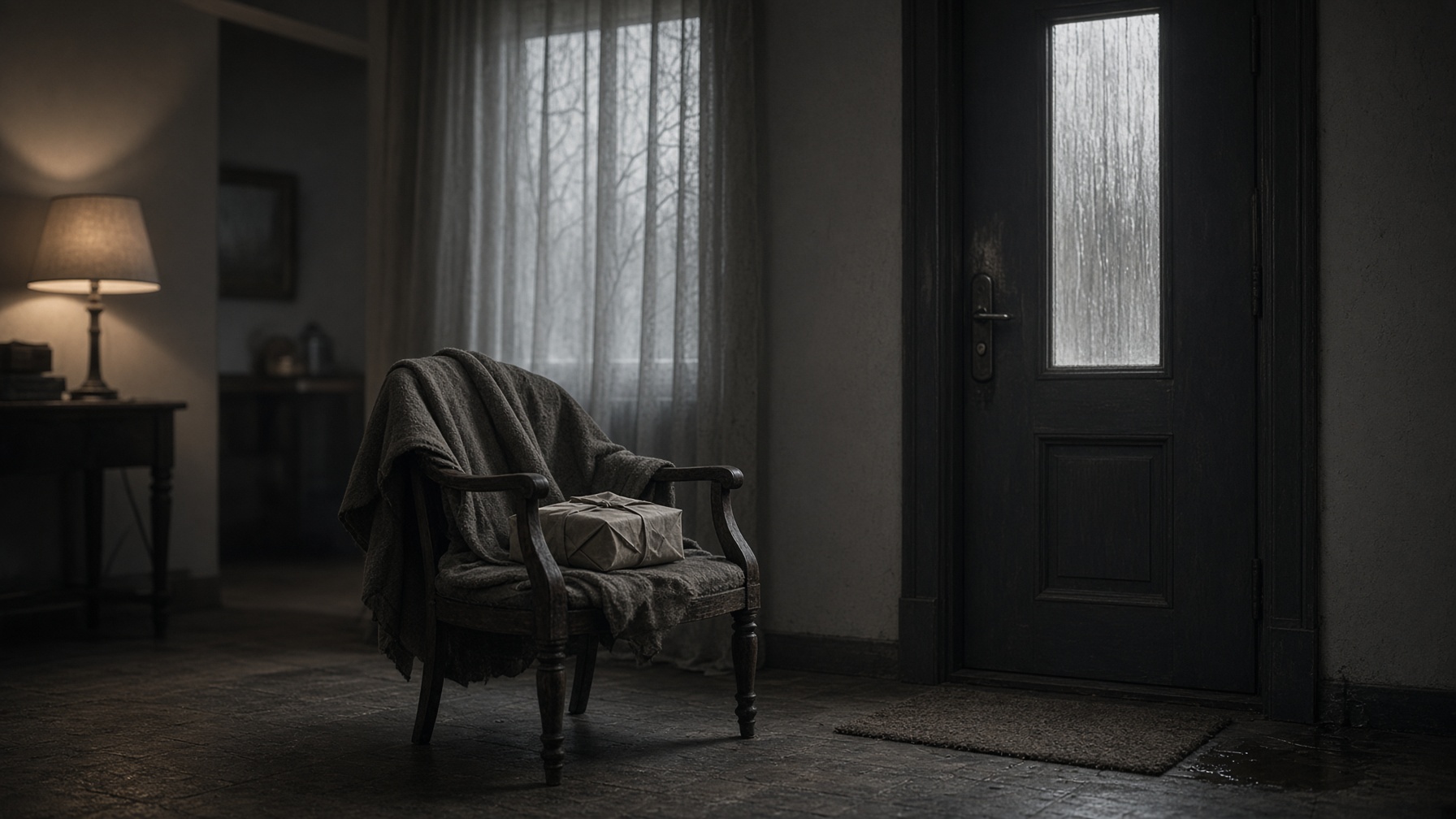
Tragedy does not begin when everything is lost. It begins when the ending becomes visible. A person understands what is coming. A room becomes quieter. A name remains unanswered. And still there is a choice: to stay, to forgive, to speak, to carry, to give something away, to remain human when the outcome no longer depends on being human.
These films refuse the spectacle of the blow. They stay with residue — a parcel at a jamb, a pavement that outlives a claim, a second chair the city will not budget for, a draft that travels after it can be received, a street that empties by degrees, a window opened when the people are already gone. Dignity is the last available currency. It does not reverse time. It spends the hour that is left.
Melancholy Drama, next door, keeps duration after the meaning has moved. Isolation keeps the gap noise cannot cross. Tragedy is earlier and harder: the ending is already legible and a last act is still required. No cosmic explanation. No monster hired to make the cost look large. Only people, time, memory, and the choice that remains when the result is sealed.
Six closed circuits. Wren Hollow wraps a coil she will not explain. Alden Pike walks a route that has stopped belonging to him. Calla Mire keeps a chair the street will not notice. Julian Marsh sends an apology after it can be received. Eden Crowe counts absences too small for headlines. Isolde March opens a window after the people are gone. There is no required order. The camera does not rescue anyone.
Tragedy belongs to Human & Fate.
One climate
Together they ask what remains of a person when the outcome can no longer be changed — not as a slogan, as six rooms that will not be rebuilt for comfort.
The principle
Dignity in the last available choice
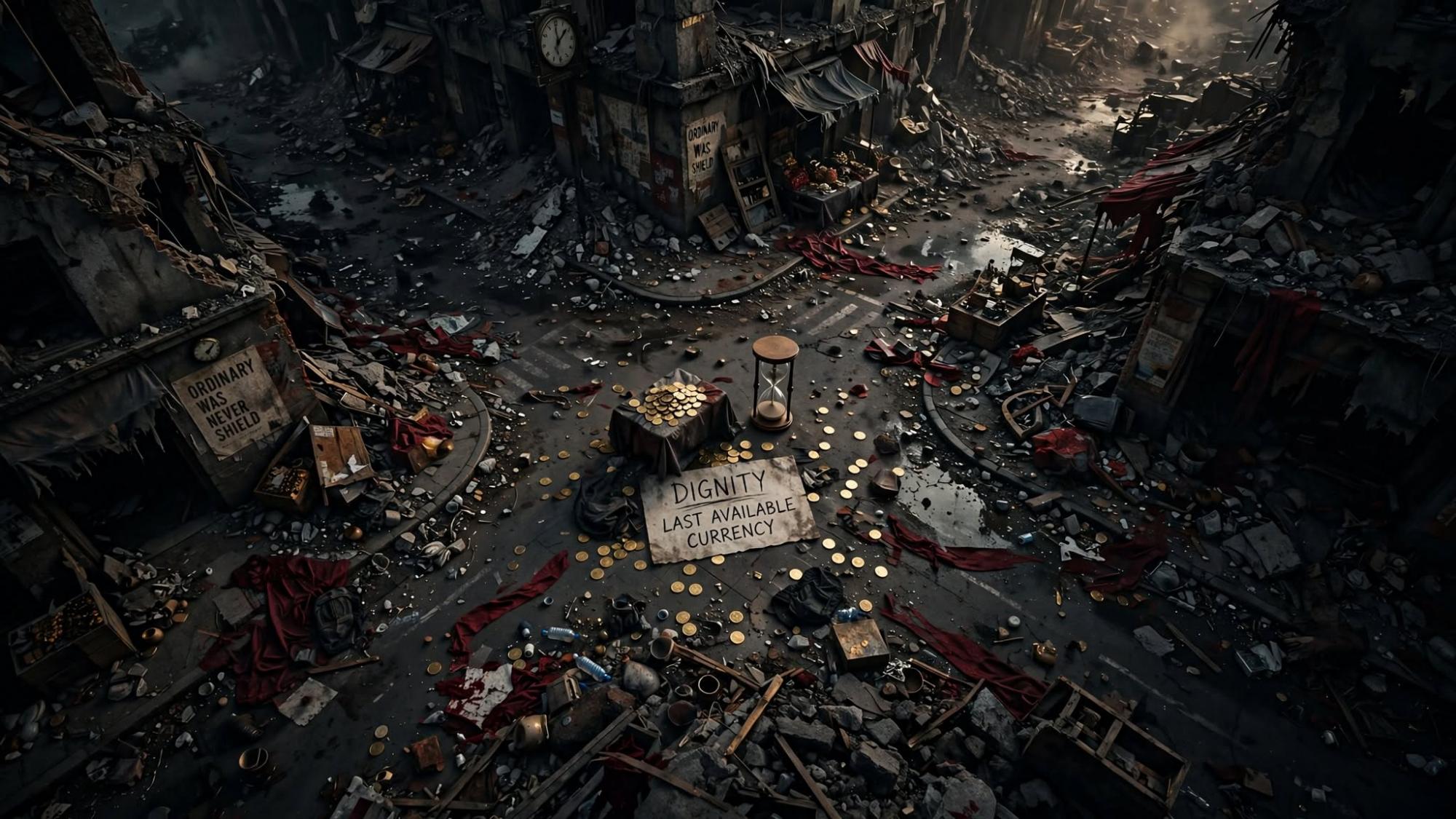
The object was never valuable. That was the point. Tragedy measures cost in a gesture that cannot change the result and is offered anyway. Wren Hollow wraps a coil in brown paper, leaves it at a jamb, and does not wait to be thanked. The letter that closed the future has already been read. Kindness here is not redemption. It is unfinished duty spent in the hour that remains.
What the camera refuses: the catastrophe as set-piece, the tear as proof, the last-reel rescue that would turn dignity into a lesson. The corridor stays a corridor. The parcel stays a parcel. If the kindness worked as plot it would stop being Tragedy.
Collapse
Ordinary was never a shield
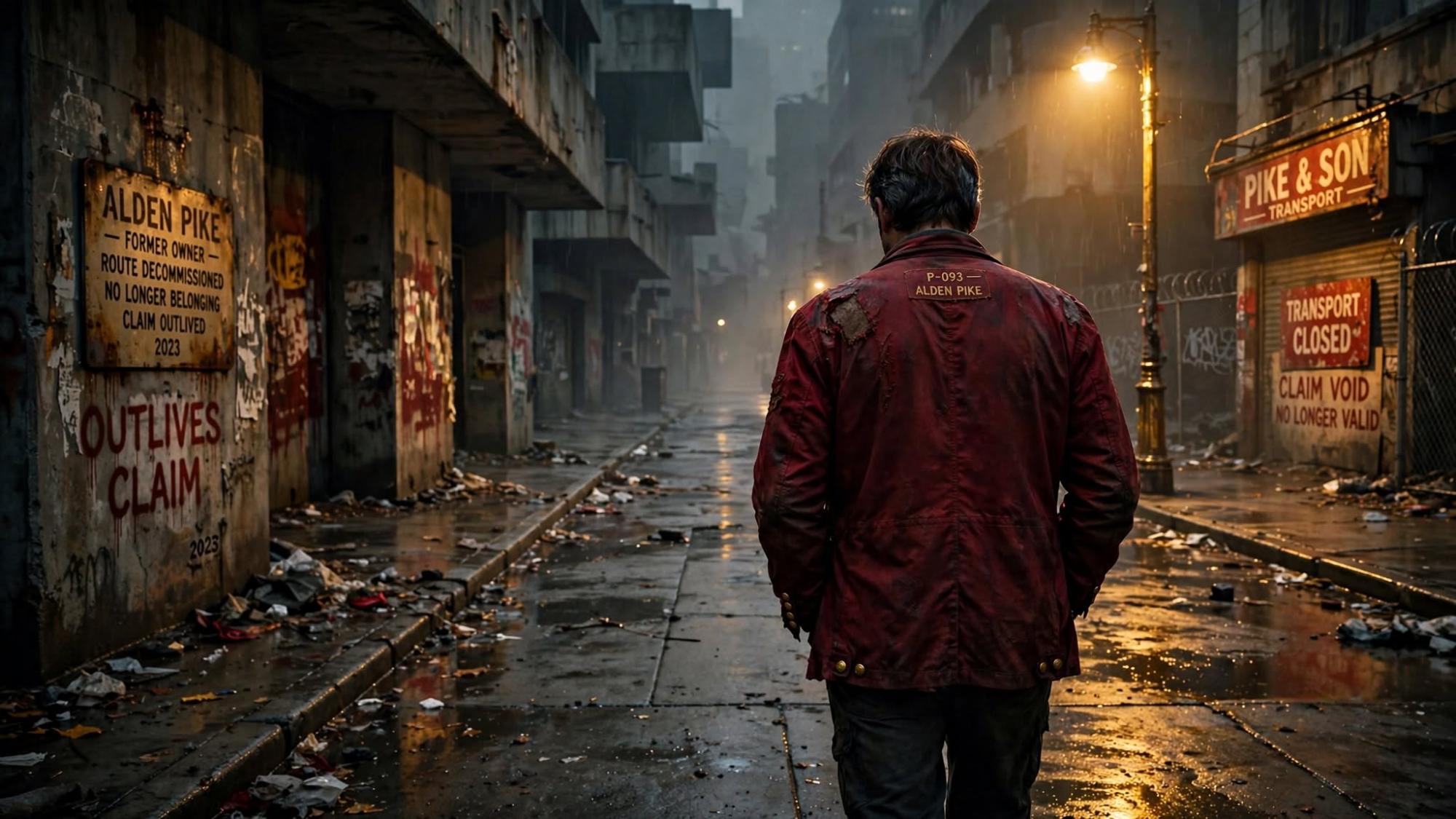
Alden Pike loses a life that looked permanent without a villain raising a voice. Work, key, table. The buildings remain. The claim does not. Tragedy here is procedural. Lights stay on. Pavement keeps its grey. The film files him as evidence that ordinary was never a shield — only a habit the street allowed until it did not.
What the camera refuses: a speech that explains the fall, a crowd that turns it into news, a second act that restores the badge. Collapse is walked, not announced. The route outlives him. That is the climate.
Absence
Grief the street will not budget for
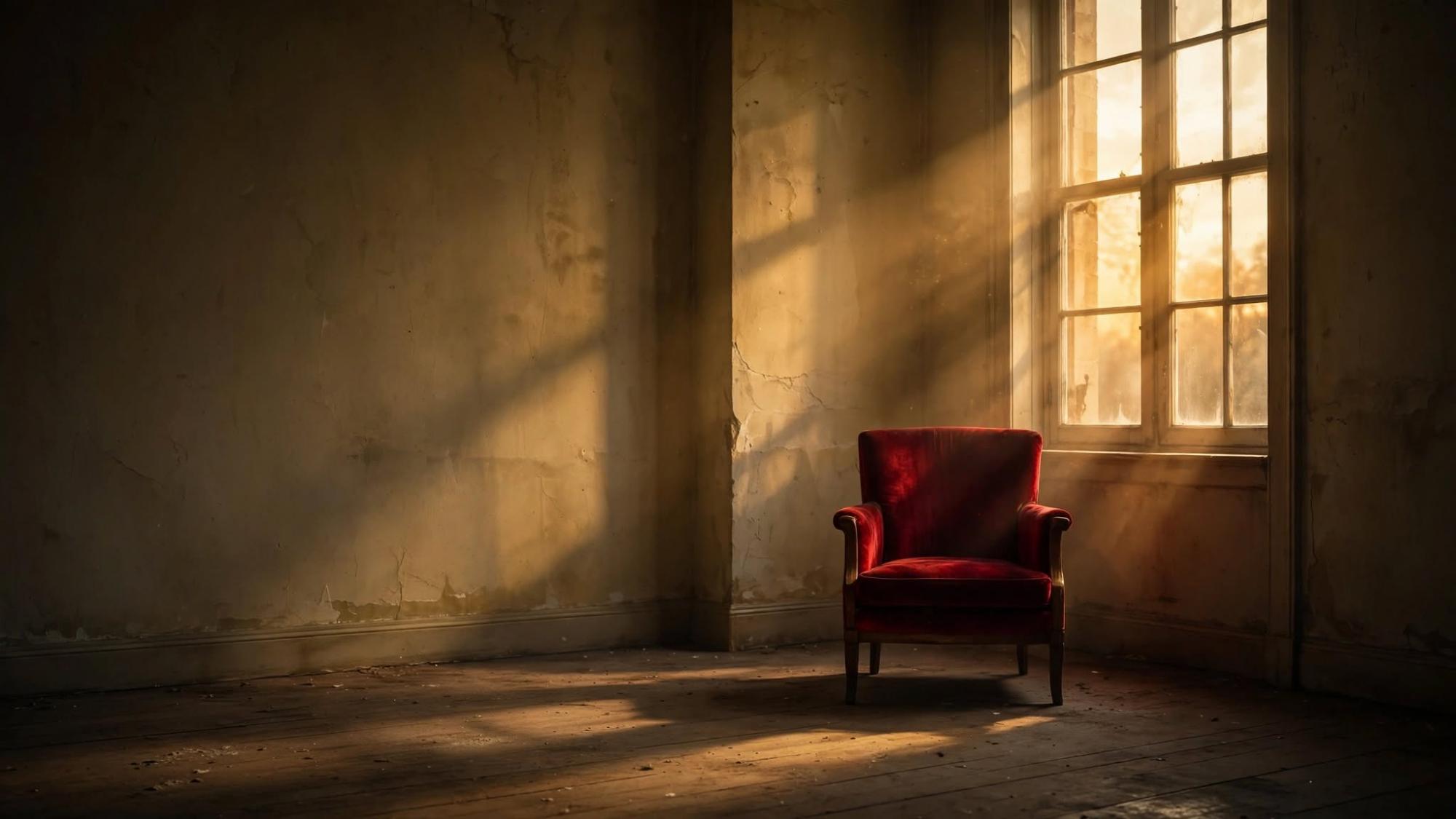
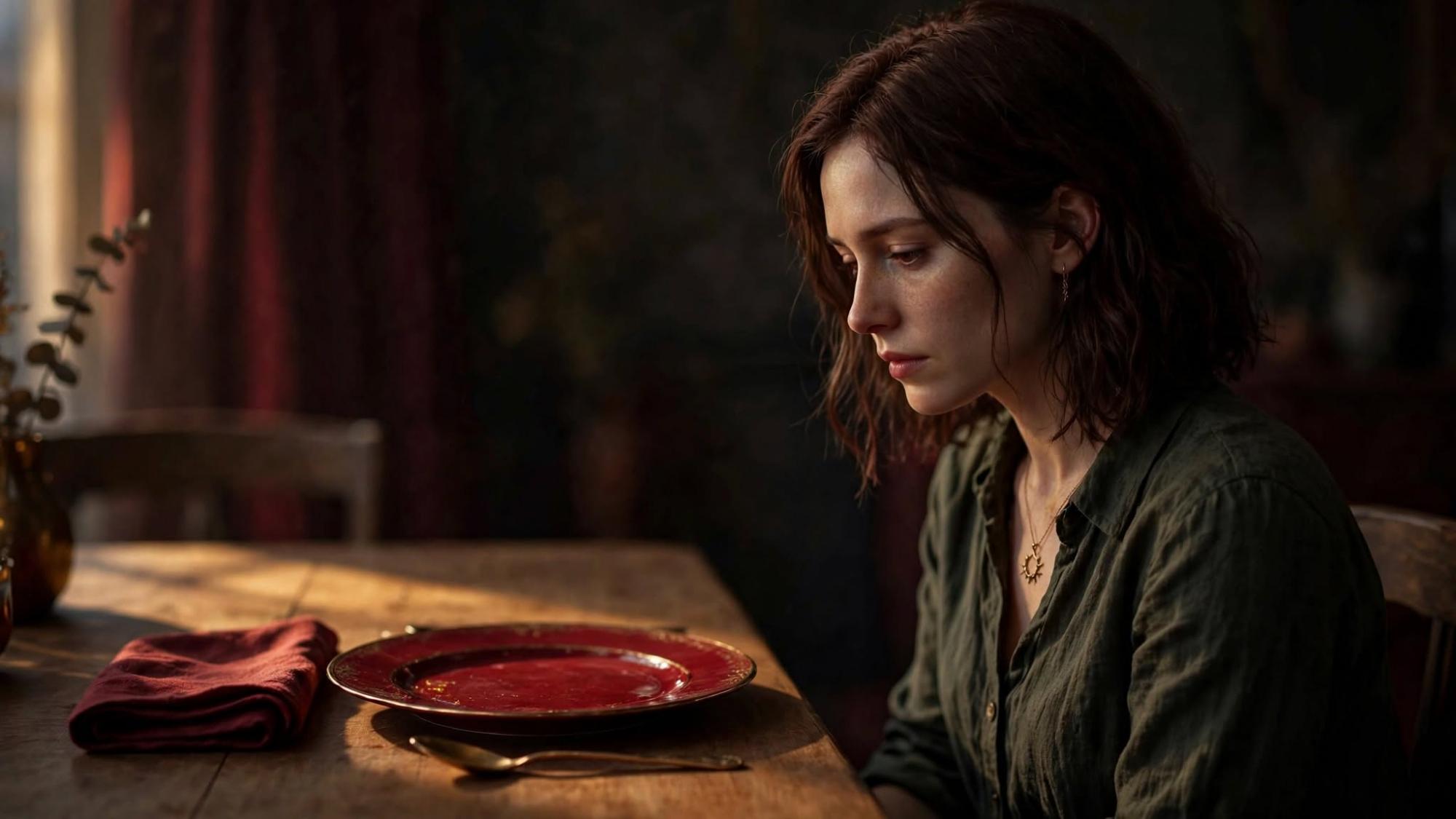
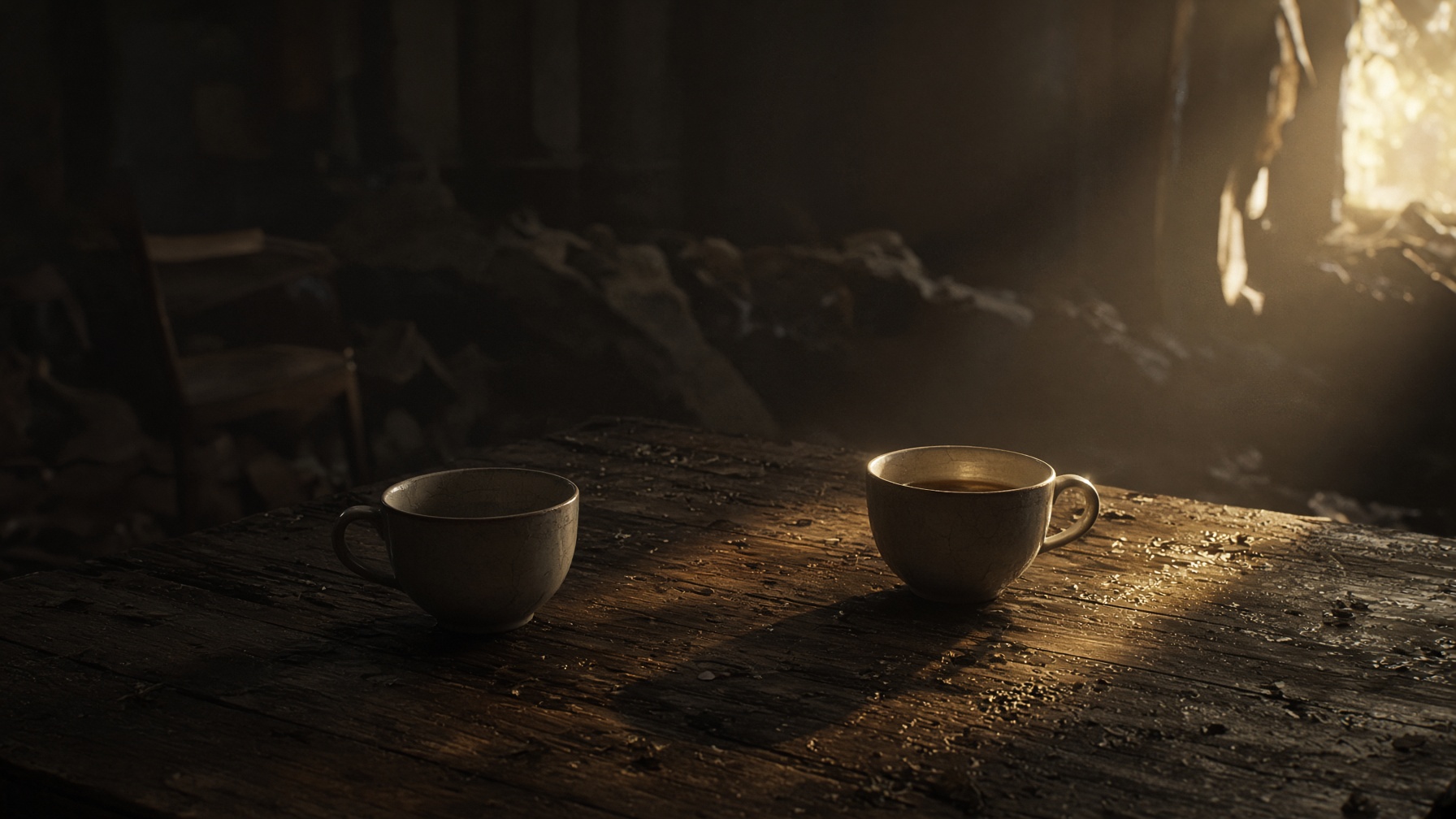
Calla Mire moves through places that used to mean two people. Buses run. Tills close. The second chair stays. Witnesses are not hired. The city has no line item for this kind of leaving. The film is after — not the death, the furniture that continues to set a place nobody will take.
What the camera refuses: a eulogy, a neighbour who notices on cue, a sky that performs weather as sympathy. Grief Without Audience is tragedy as mourning the street will not budget for. Exactness about chairs is the only honesty the climate allows.
Accumulation
A life can vanish without one catastrophe
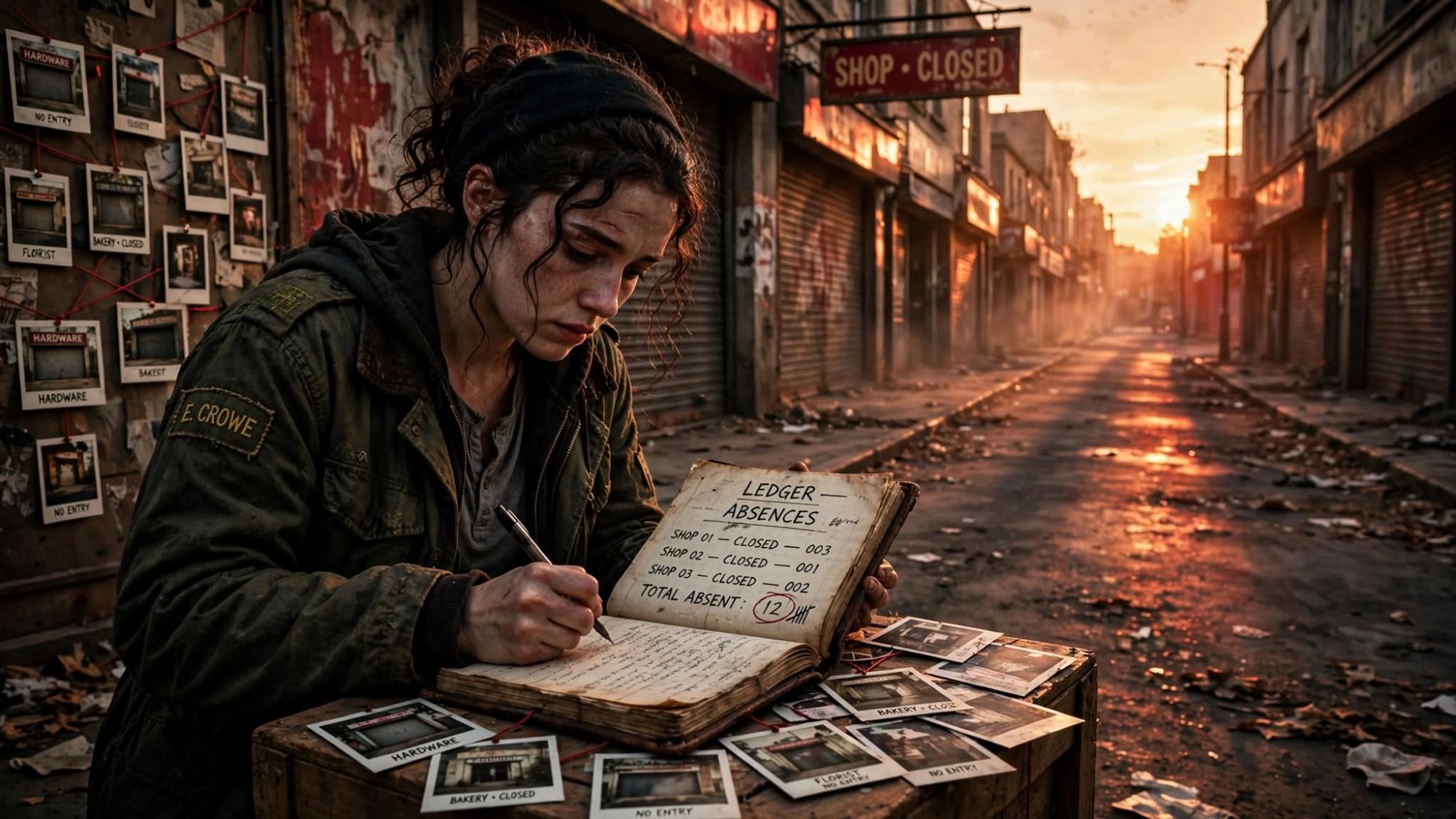
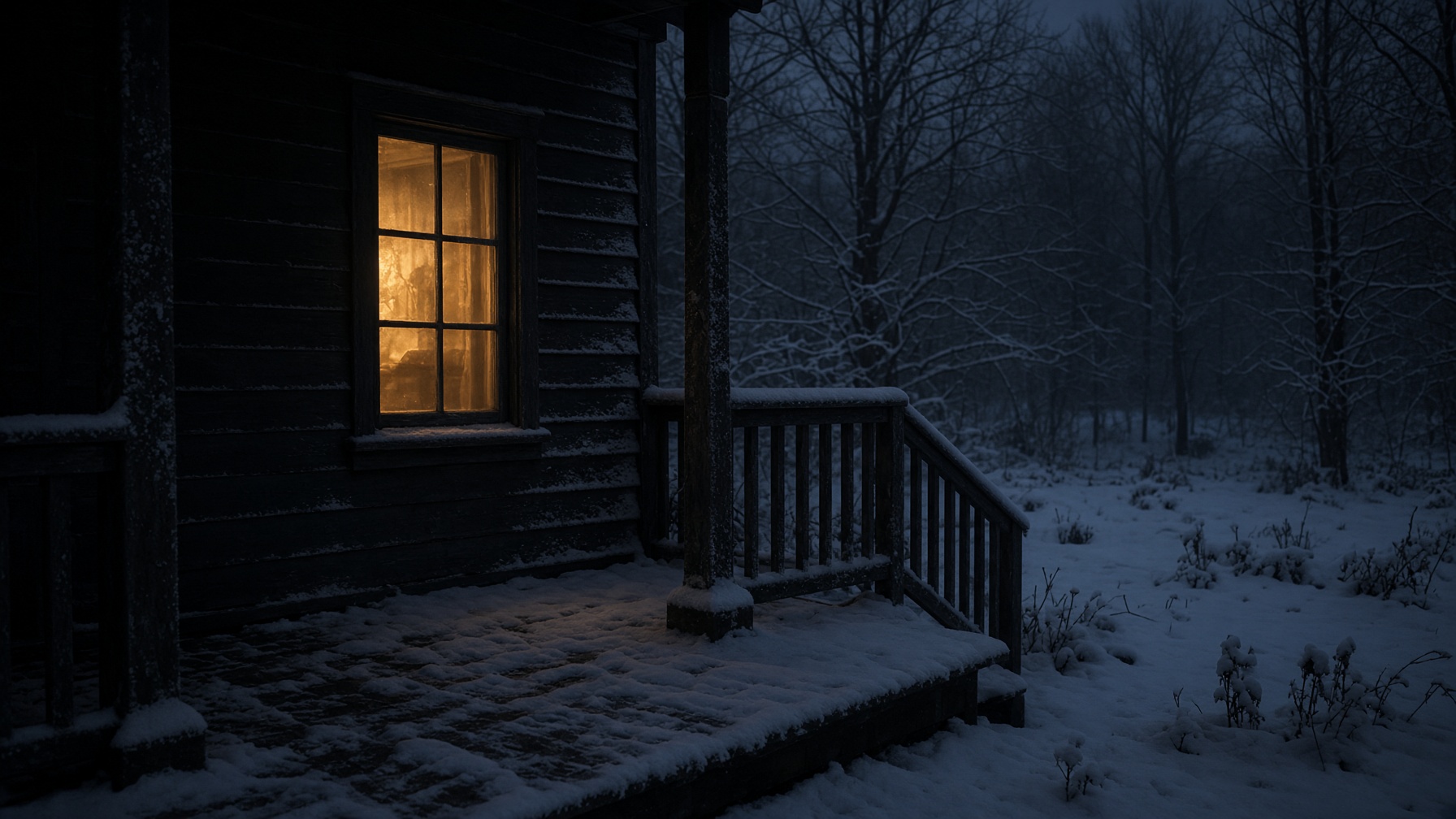
Eden Crowe keeps one viewpoint while shops, voices and photographs leave. None of it is enough to be called a disaster. Together they are a portrait of disappearance. Winter is weather first. Counting is the work the climate assigned. Late is the native tense of accumulation — you notice the missing thing after the street has already learned to do without it.
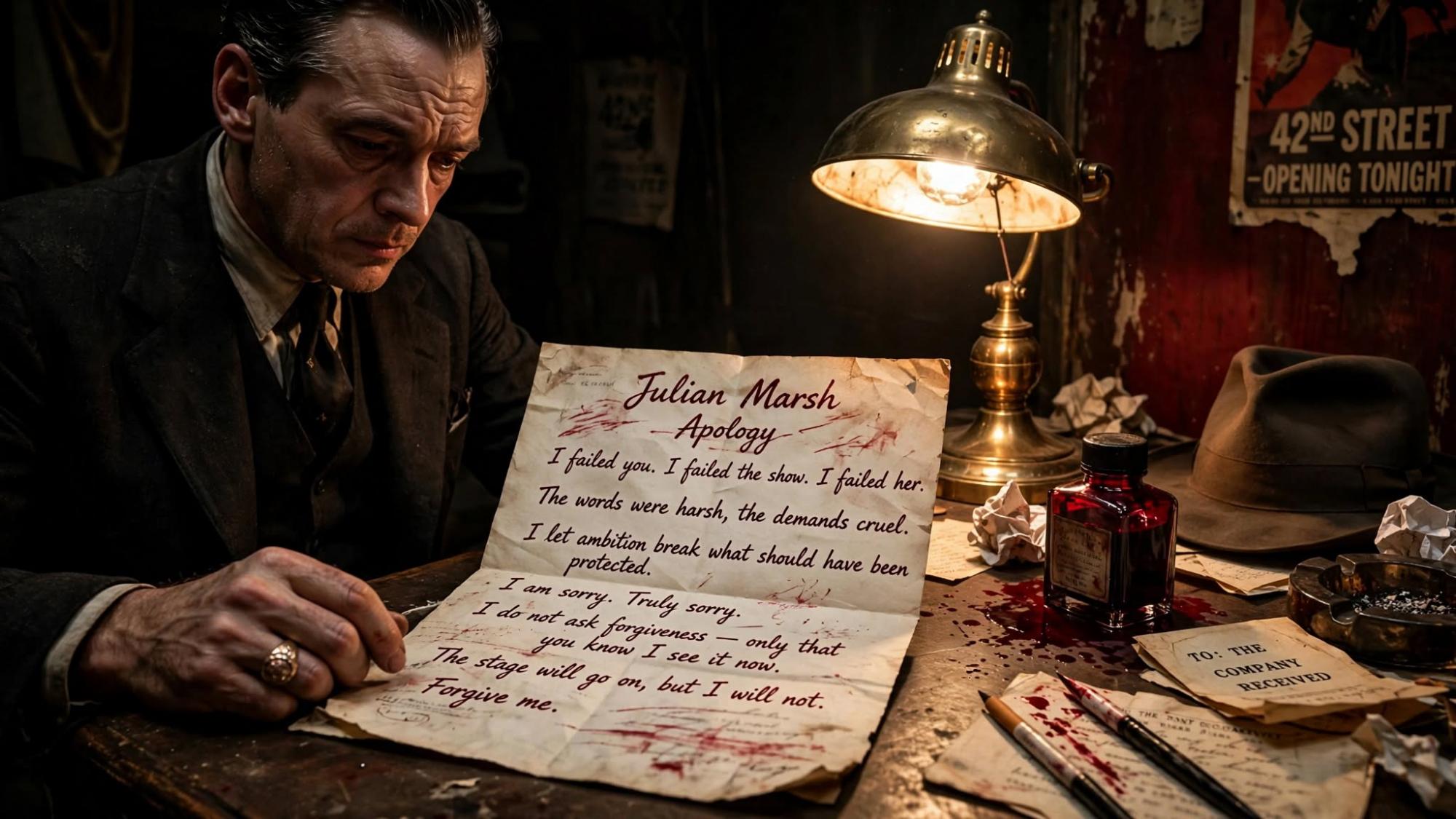
What the camera refuses: a single explosion that would make the ledger look like plot. The Unfinished Apology sits beside this box as the other face of lateness: Julian Marsh sends words after they can be received. Isolde March, at the end of the six, opens a window when the people are already gone. Aftermath of a life, not of a city.
How to enter
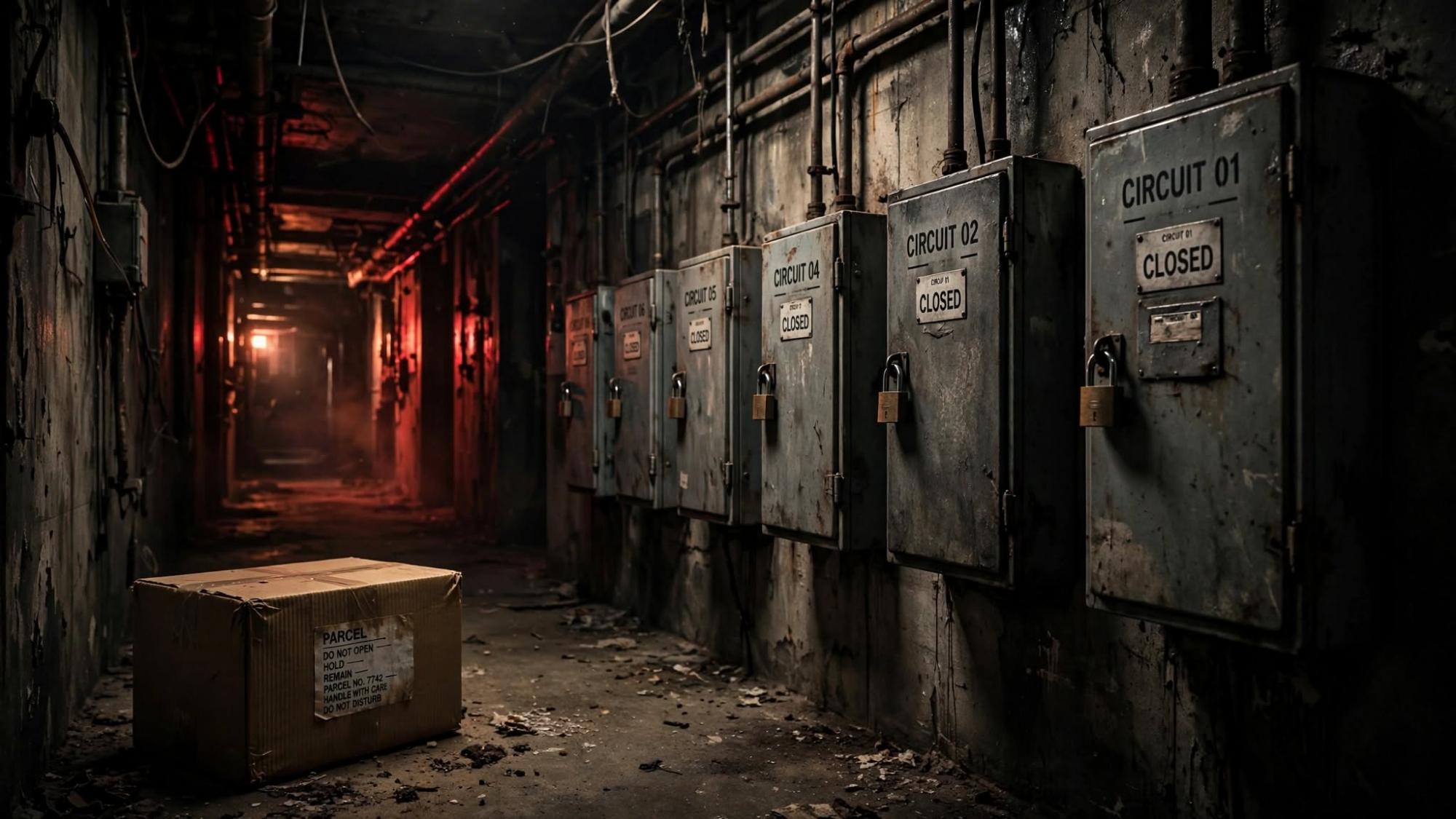
Enter by the parcel, not by the catastrophe. Kindness first if you want the law of the climate in one object. Collapse if you need to see ordinary fail without a villain. Absence if you can sit with a chair the city will not invoice. There is no correct sequence. You do not owe Tragedy a complete viewing. You owe it the hour the character still has.
When you want duration after meaning has moved, the next room is Melancholy Drama. When the gap itself is the subject, Isolation. The house is Human & Fate.
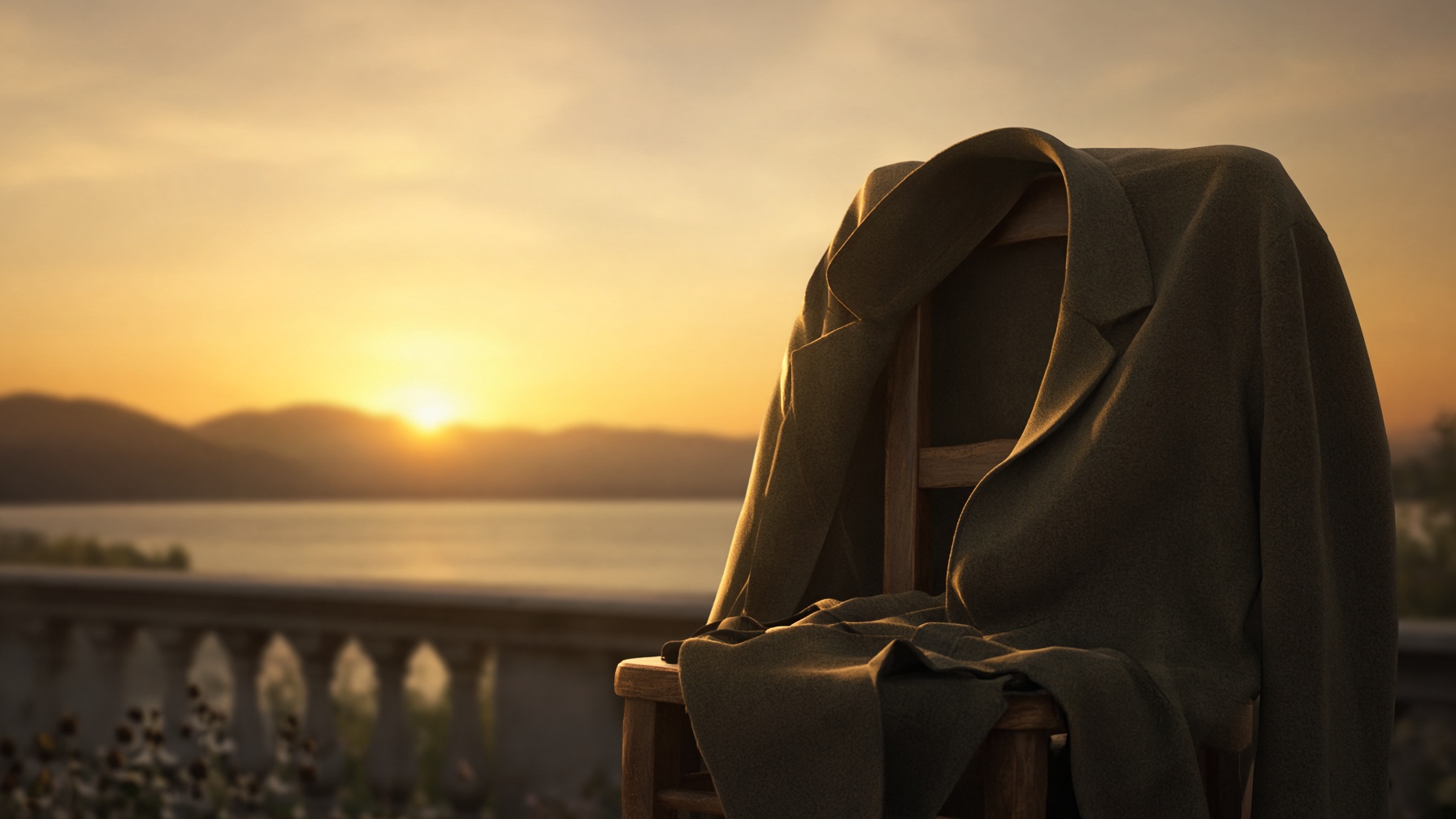 The Last Kindness
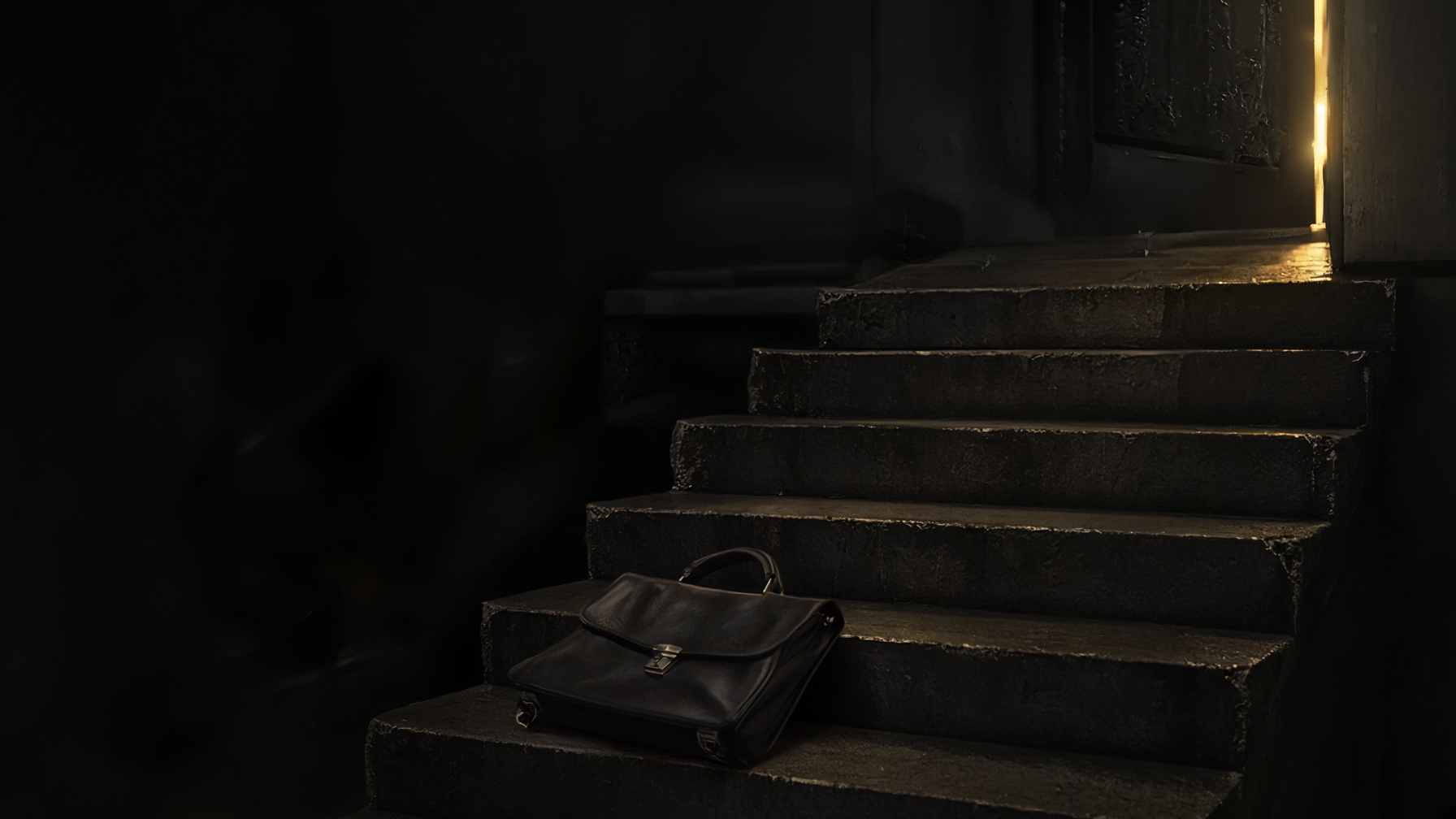 Fall of the Ordinary Man
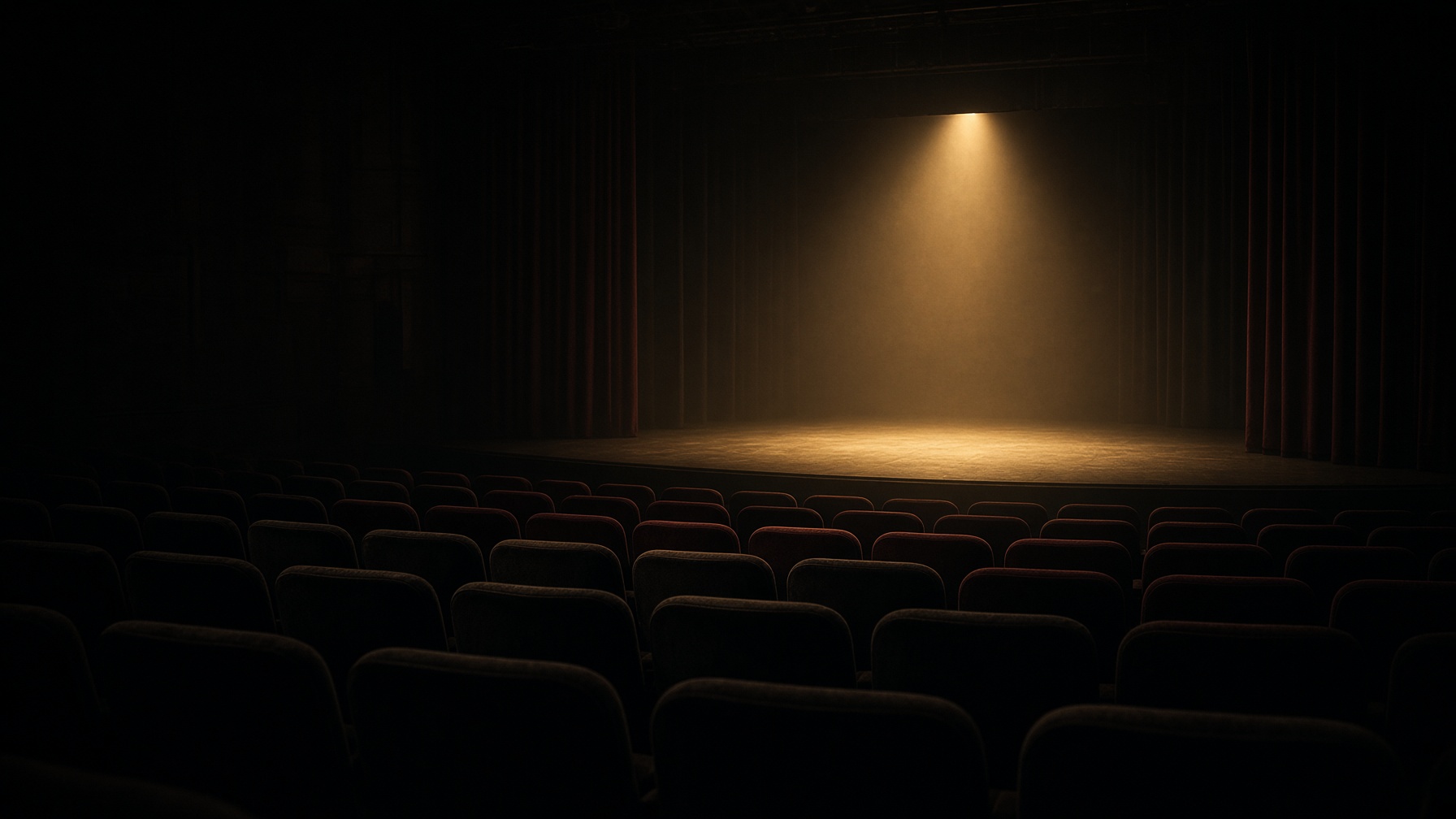 Grief Without Audience
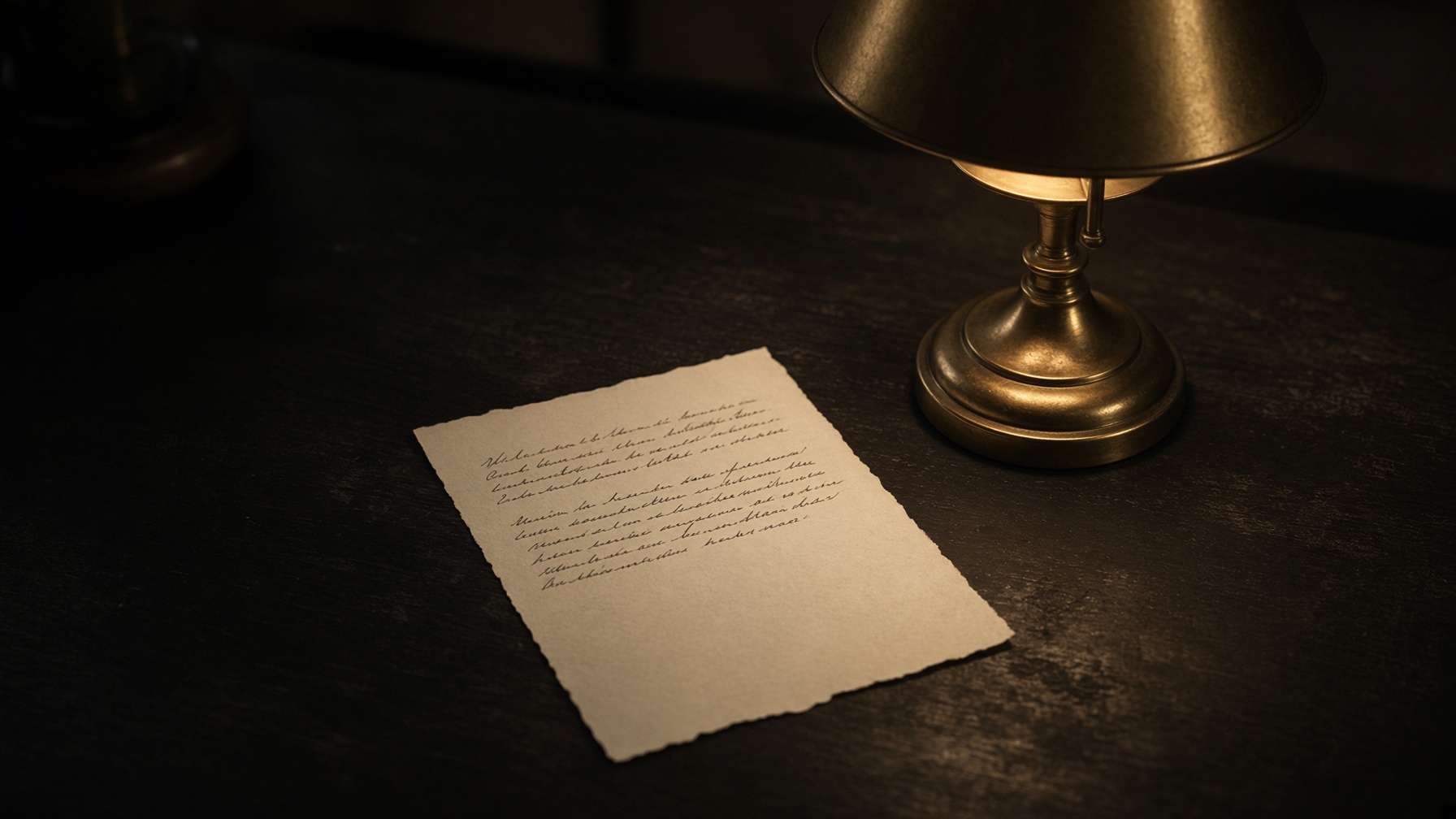 The Unfinished Apology
 Winter of Small Losses
 What Remains After