Melancholy Drama
Overview
Climate
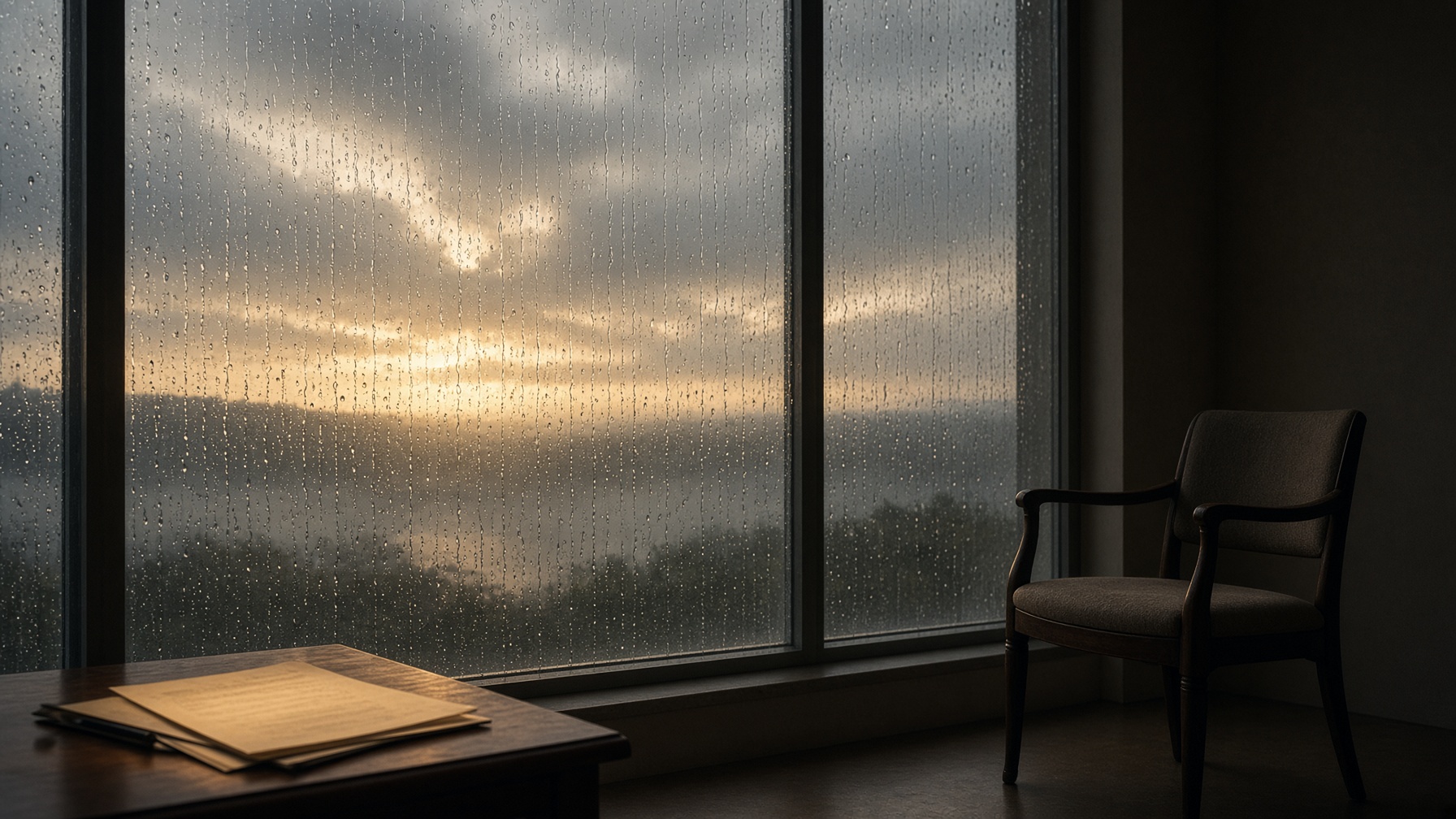
Melancholy Drama holds loss that does not announce itself. Ordinary gestures carry irreversible weight. A letter finished and not posted. An afternoon that outstays the clock. A table wiped after a meal that will not be repeated. Rain on chairs nobody will sit in. A likeness that refuses to become plot. A room that keeps the years without travelling.
These films stay at human scale. No spectacle. No twist engineered for shock. Time is allowed to remain time. The camera does not raise its voice to make the feeling look larger than the room. What hurts is already in the furniture. The work is to stay with it long enough that leaving would be the dishonest cut.
Tragedy, in this house, spends the last available choice while the ending is still visible. Isolation keeps a gap noise cannot cross. Melancholy is later and quieter: the meaning has already moved, and duration is what is left to spend. The climate is not sadness as decoration. It is the discipline of not turning a finished letter into a plot device.
Six closed circuits. Nora Quill stacks sentences she will not mail. Silas Reed waits in gold that misses its cue to leave. Maeve Thorn closes a table without wreckage. Corin Hale locks a till while rain practises absence on the chairs. Elowen Hart sits a likeness that will not become biography. Ash Harlow copies years into one window. There is no required order.
Melancholy Drama belongs to Human & Fate.
One climate
Together they hold loss that does not announce itself — six rooms in which ordinary gestures have already spent their irreversible weight, and speech would only decorate what the furniture already knows.
The principle
Loss without speech

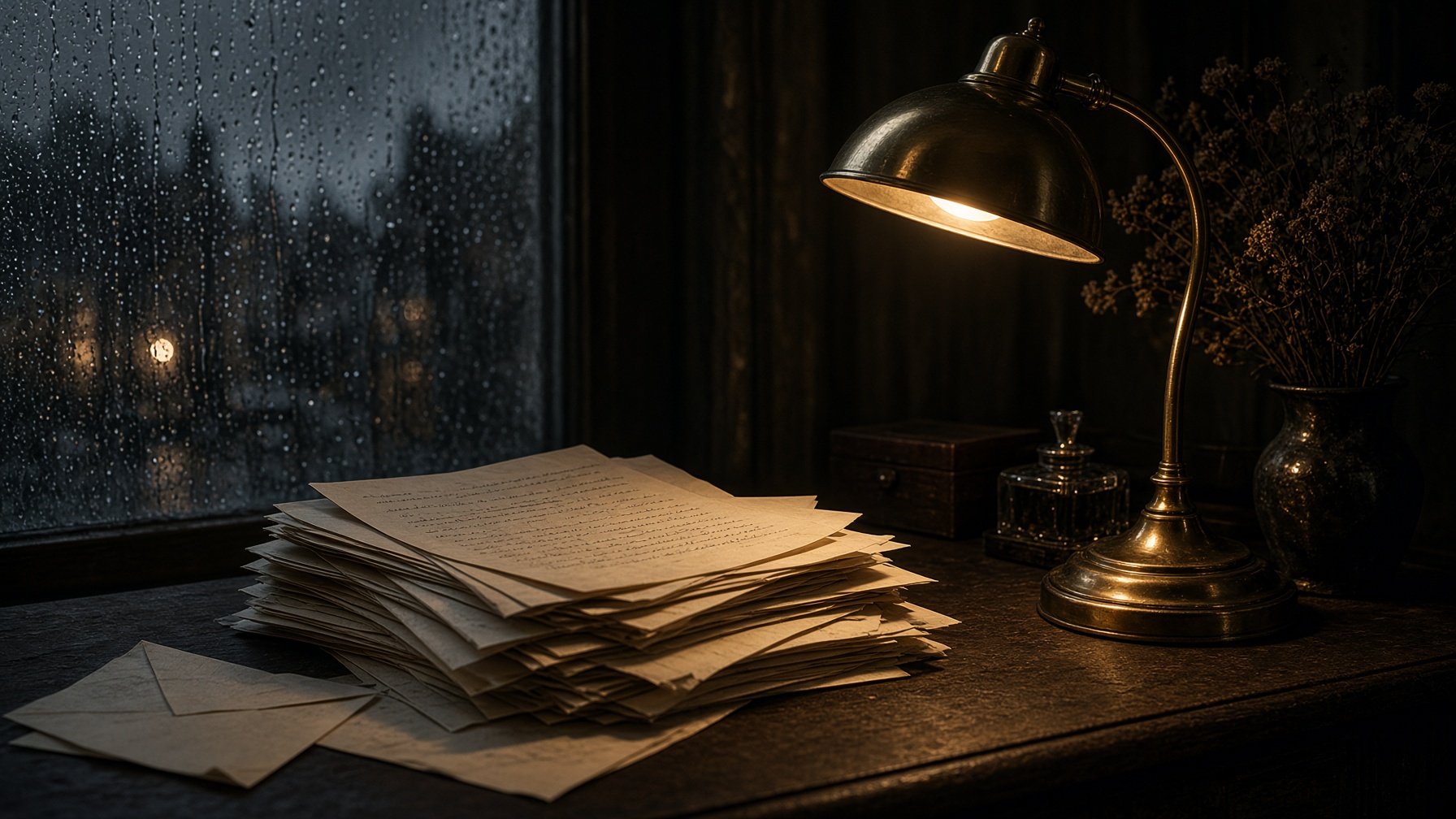
Nora Quill finishes sentences and refuses them the journey. The stack on the desk is not a metaphor waiting to be posted in the last reel. It is a climate: the language complete, the mailbox unused. Rain on the glass does the only moving the film will hire. Loss here does not require a death to become visible. It requires a letter that knows its addressee and still stays.
What the camera refuses: the envelope reaching a door, a voice-over that explains why she will not send, a reunion that would turn unsent paper into delay. Melancholy begins where speech has already done its work and travel has been declined.
Duration
Afternoon as a profession
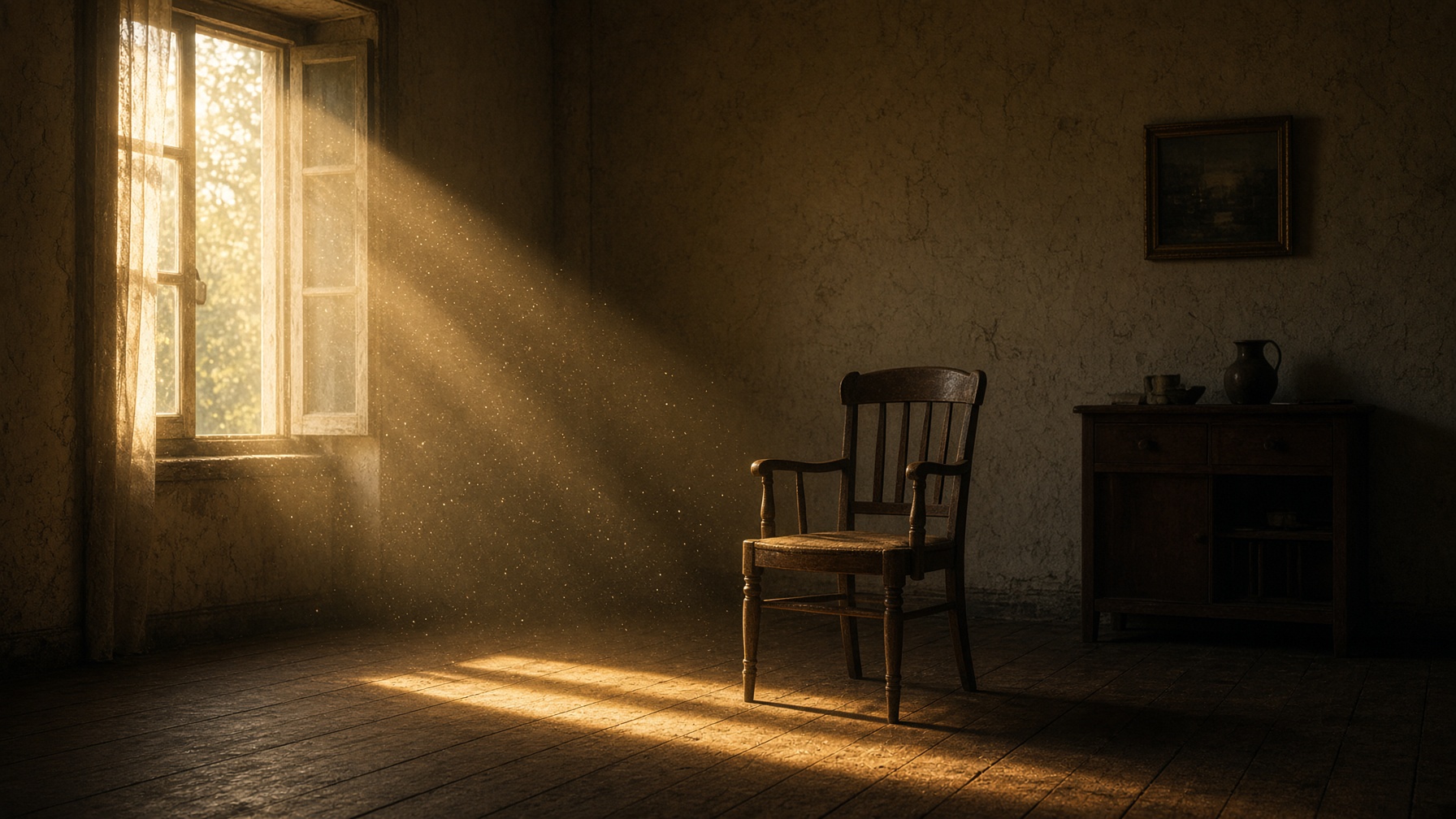
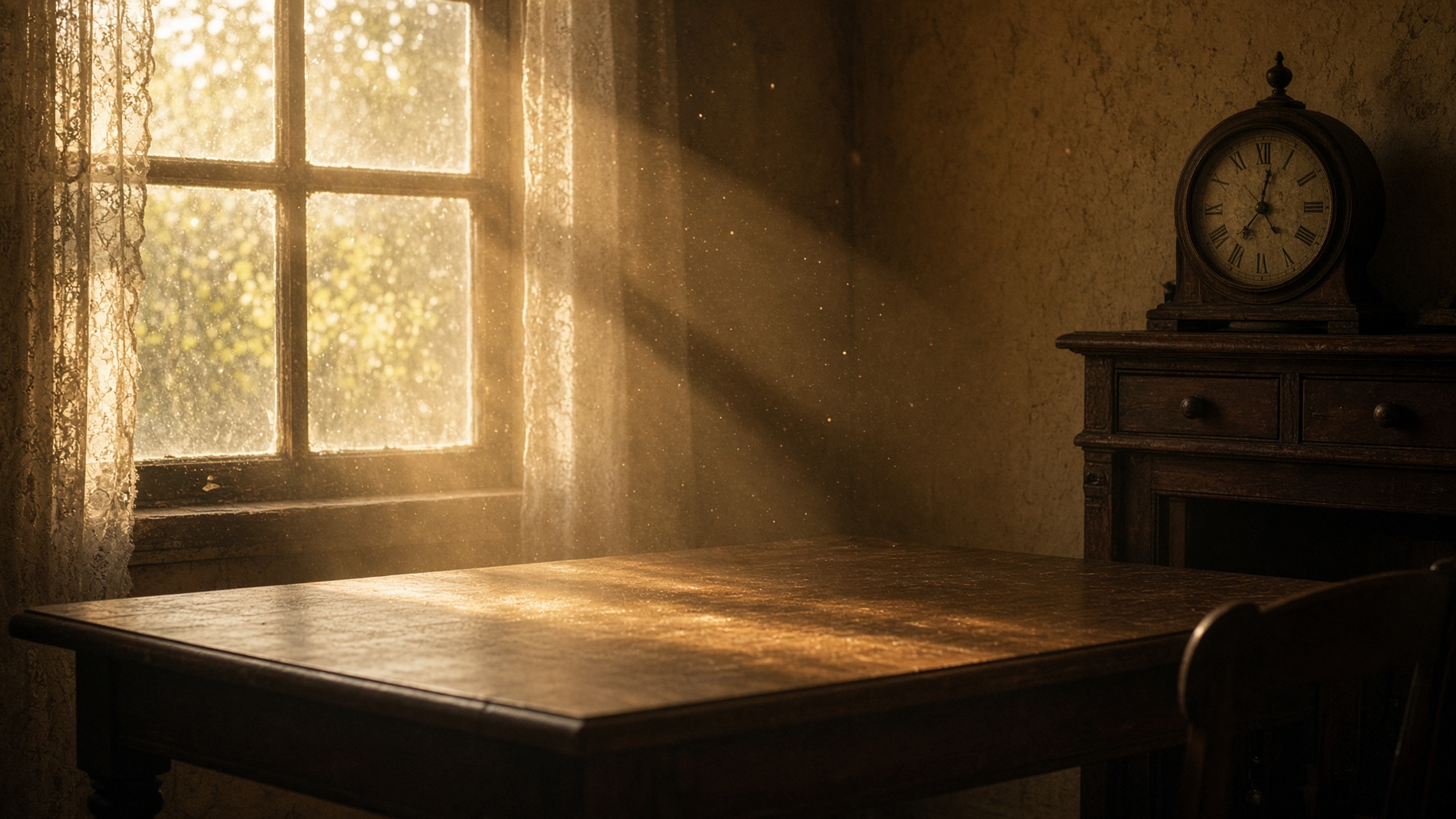
Silas Reed tunes pianos in houses that no longer host concerts. This afternoon he applies the same ear to daylight. Gold misses its cue to leave. Dust becomes the only action. Waiting is treated as a profession, not as a pause before plot. The empty chair is not waiting for a visitor the film has forgotten to cast. It is the correct furniture for an hour that has decided to stay.
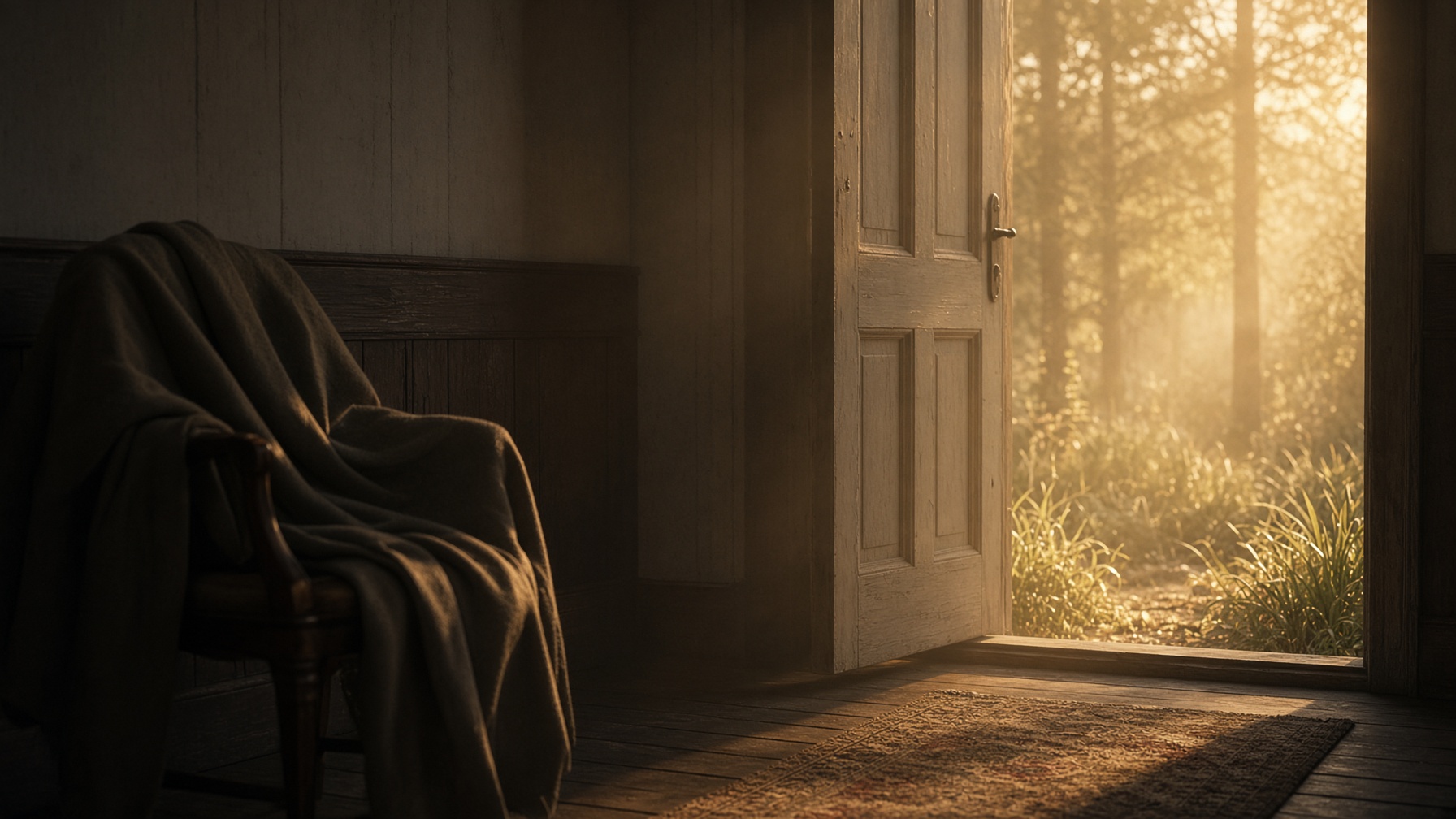
What the camera refuses: a clock that rescues him, a knock that turns duration into appointment. Soft Ending sits beside this box as the other face of closing — Maeve Thorn stacks plates after a meal that will not be repeated. Closing without wreckage. Time without a twist.

Weather
Rain as the only guest
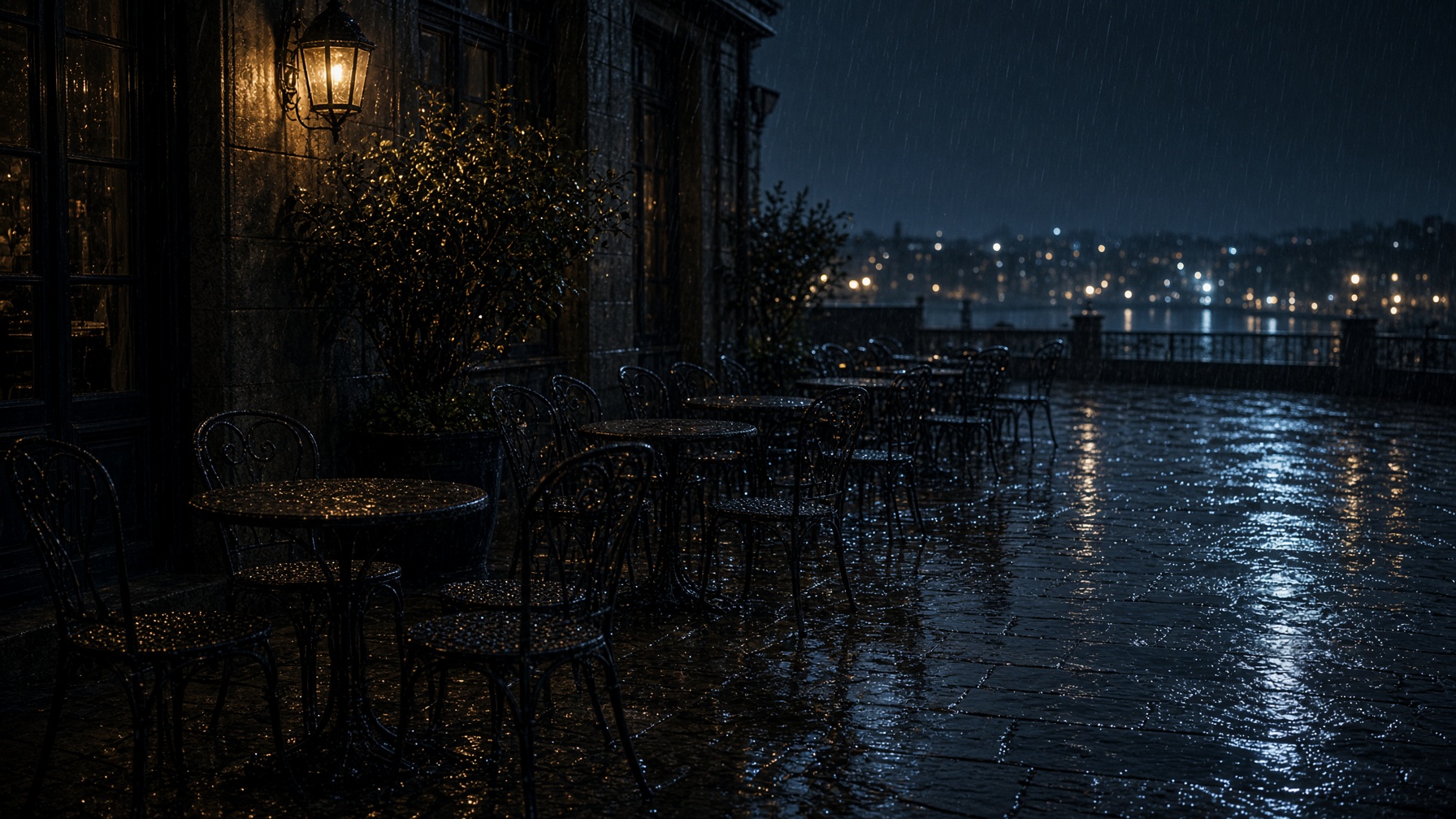
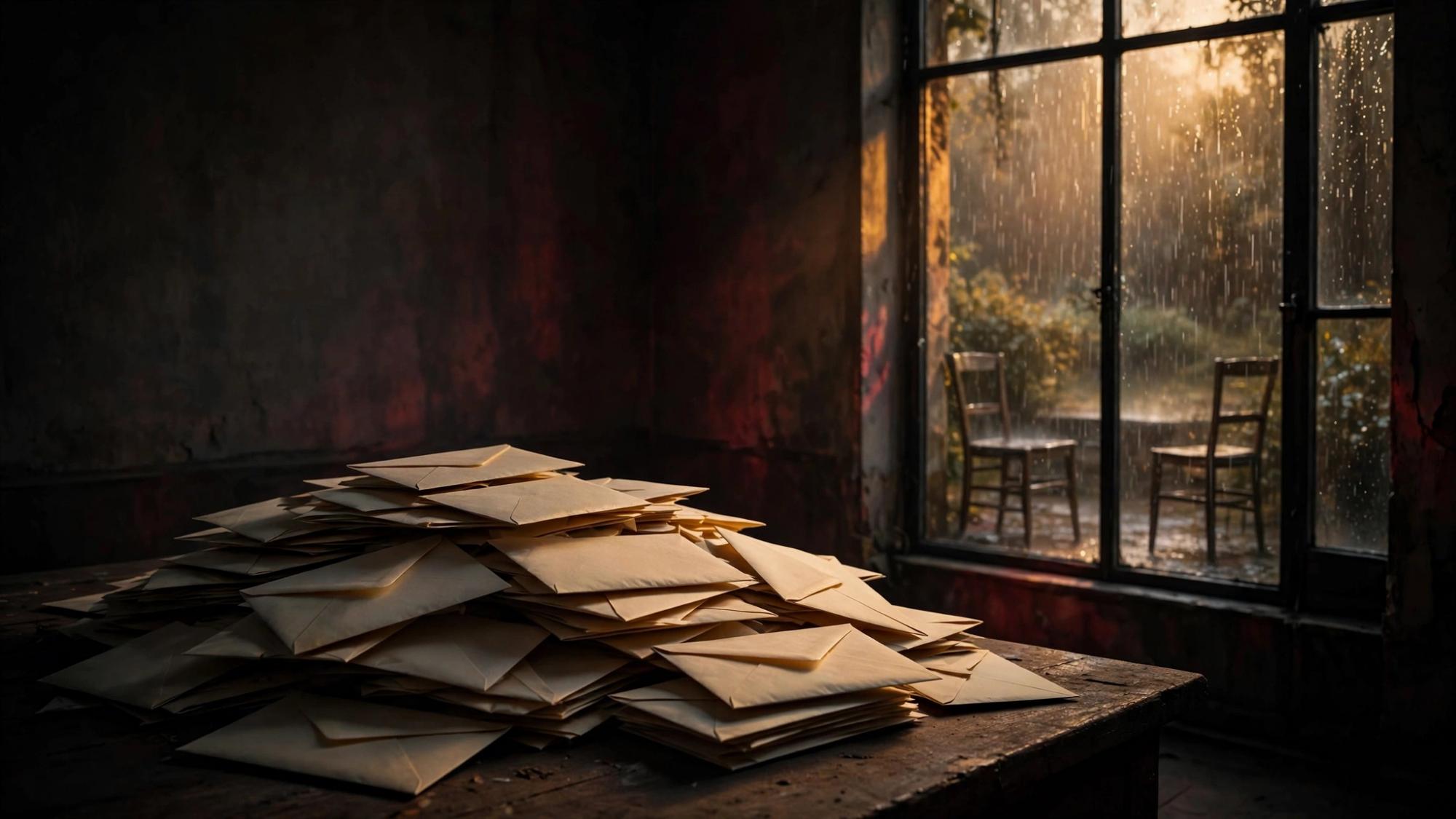
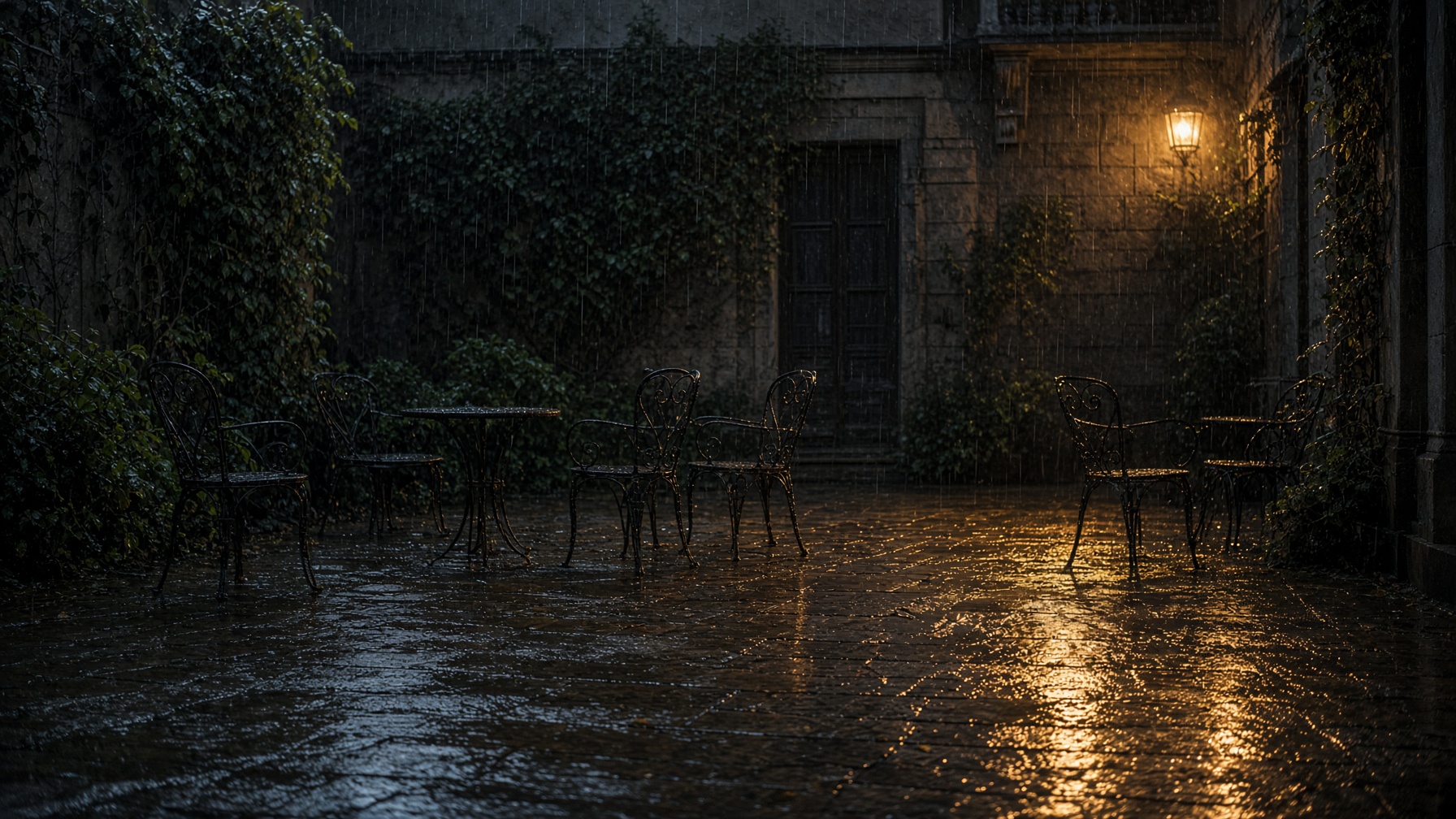
Corin Hale can close a till and cannot close a terrace. The chairs stay out. Rain practises absence on slats that will not be brought in. Weather is not mood lighting. It is the guest the café can still afford. The film does not hire a late couple to justify the furniture. Empty chairs in rain are already the whole scene.
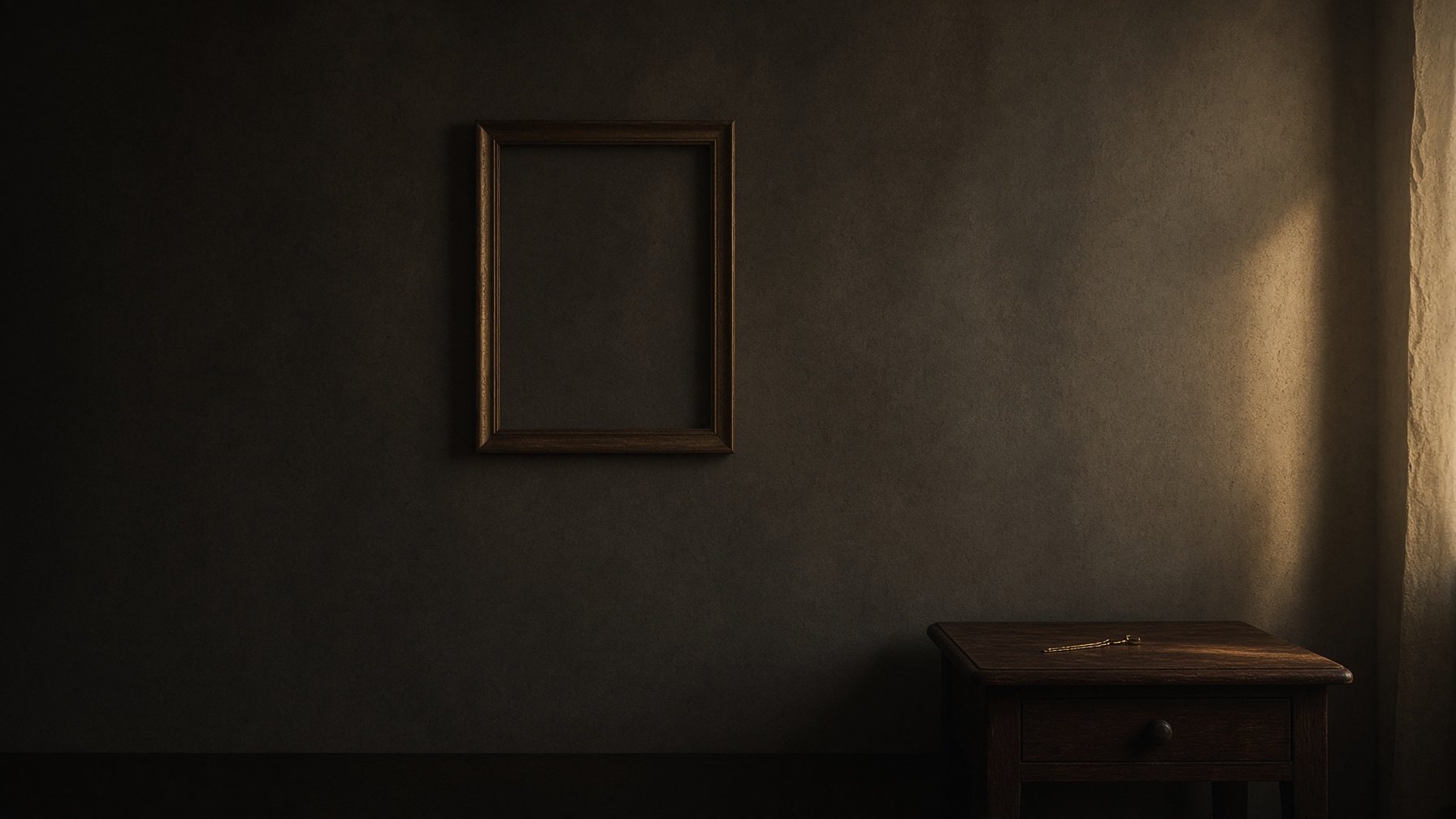
What the camera refuses: a storm as climax, a passer-by who sits and makes the night mean company. Portrait of a Quiet Life, next in the six, takes the same refusal indoors: Elowen Hart will not extract a biopic from a likeness that only sat.
Staying
Years without a door
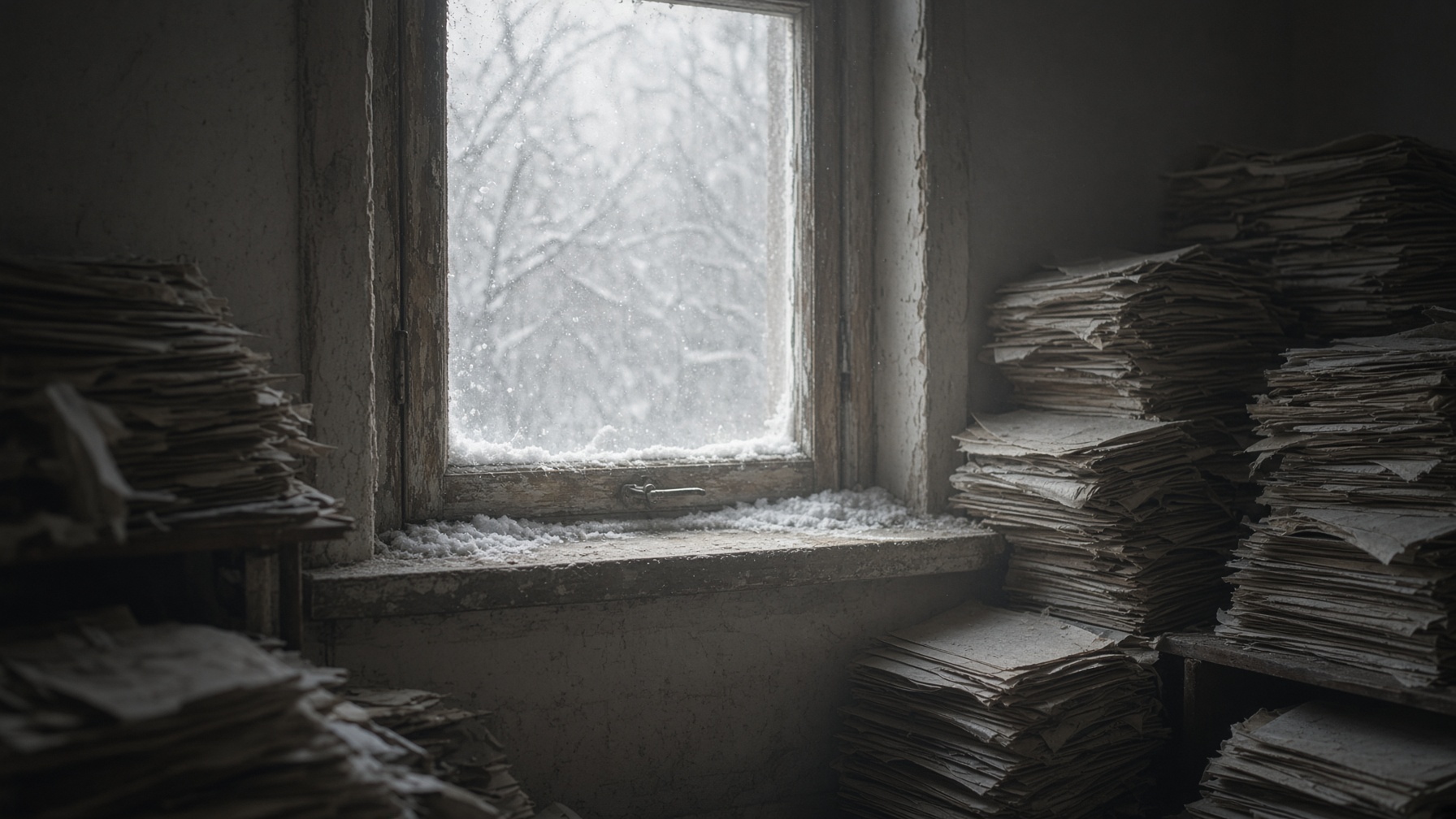
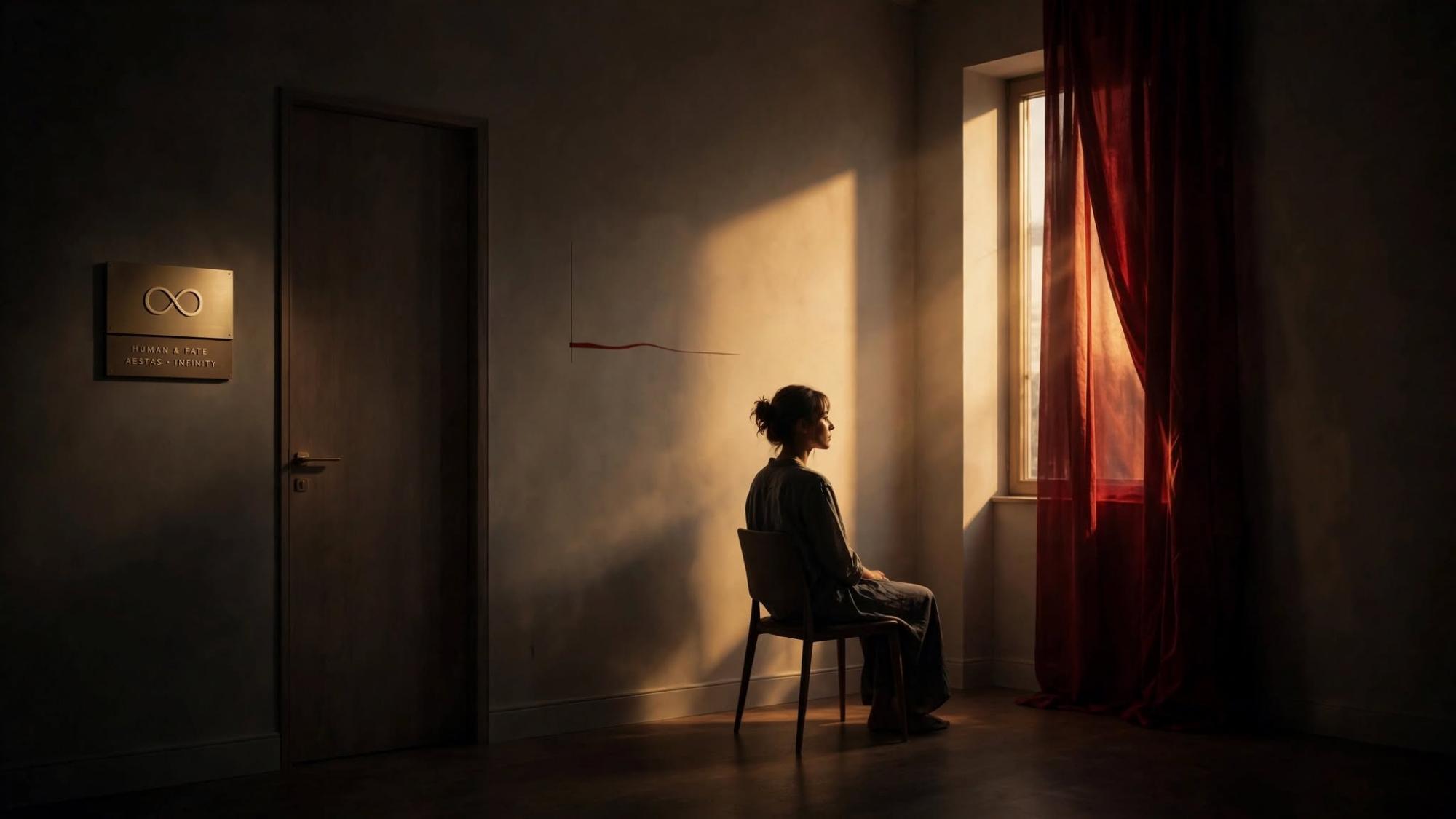
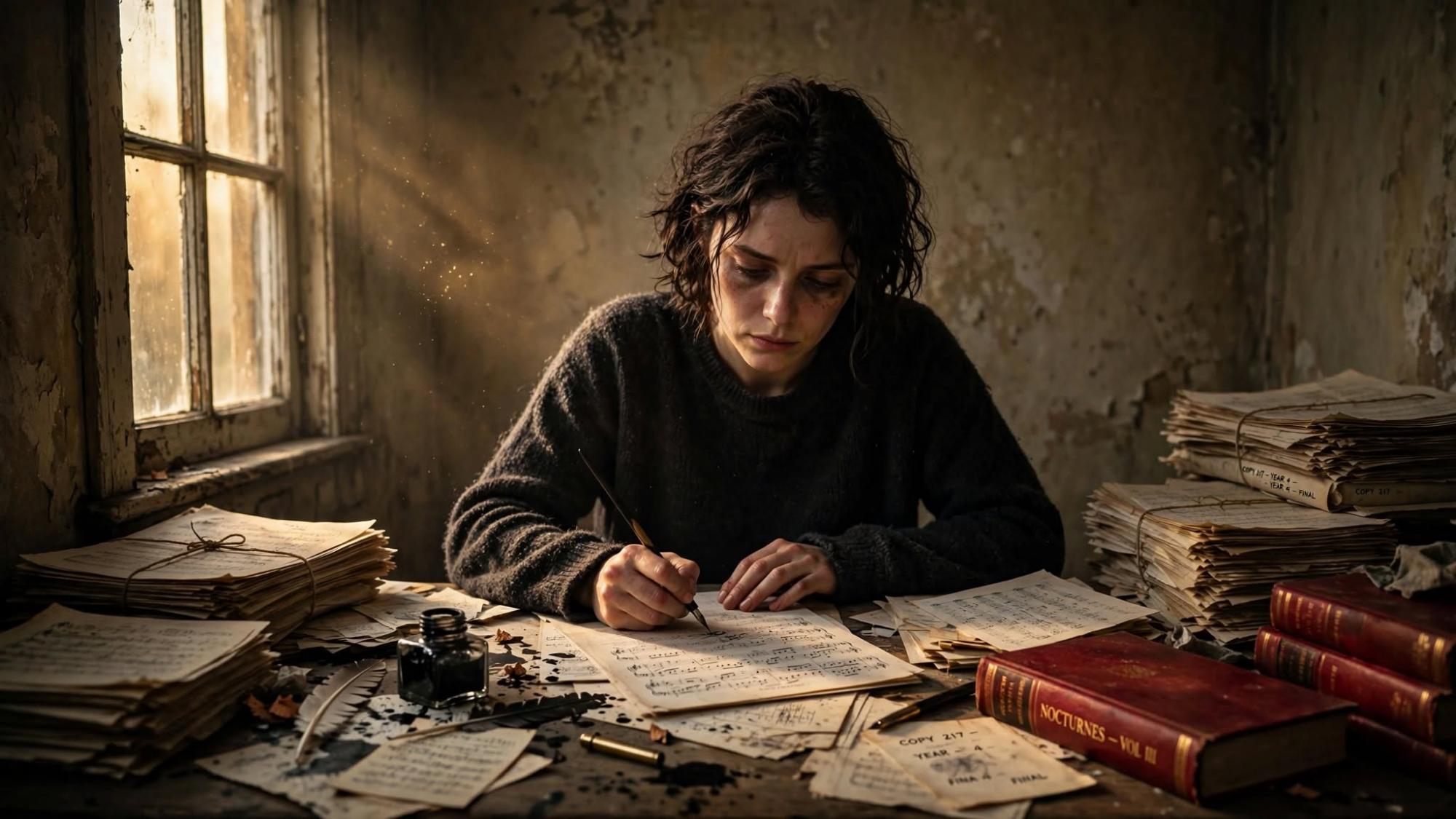
Ash Harlow copies other people’s music. The scores leave. The room does not. He is not trapped. He is scaled. Travel happens in ink. One window does the work a journey would dilute. Melancholy takes that choice seriously: staying is not a failure to depart. It is the form the years agreed to take.
What the camera refuses: a suitcase, a train, a last-reel opening of the latch as victory. The room is the work. Duration is the plot. If he left, the climate would have to start lying.
How to enter
Enter by the unsent stack if you want the law in one object. By the afternoon if you can sit with light that will not leave. By the rain if weather is enough company. There is no correct sequence and no prize for watching all six. Melancholy is not a season you complete. It is a speed you agree to.
If the ending is still visible and a last act is required, the next room is Tragedy. If the subject is the gap itself, Isolation. The house is Human & Fate.
 Letters Never Sent
 The Afternoon That Stayed
 Soft Ending
 Rain on Empty Chairs
 Portrait of a Quiet Life
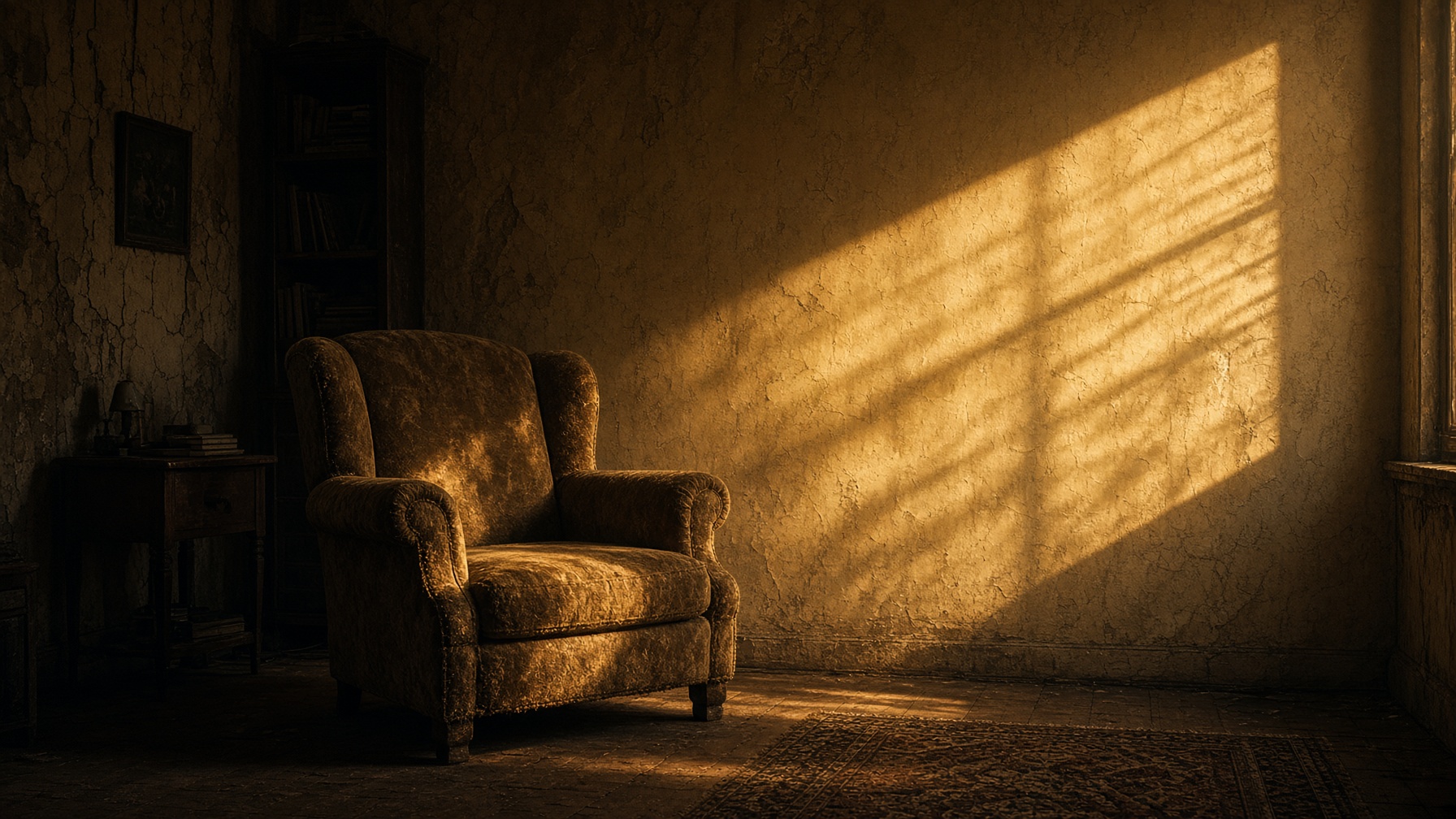 Years in a Single Room