Aftermath / Ruin
Overview
Climate
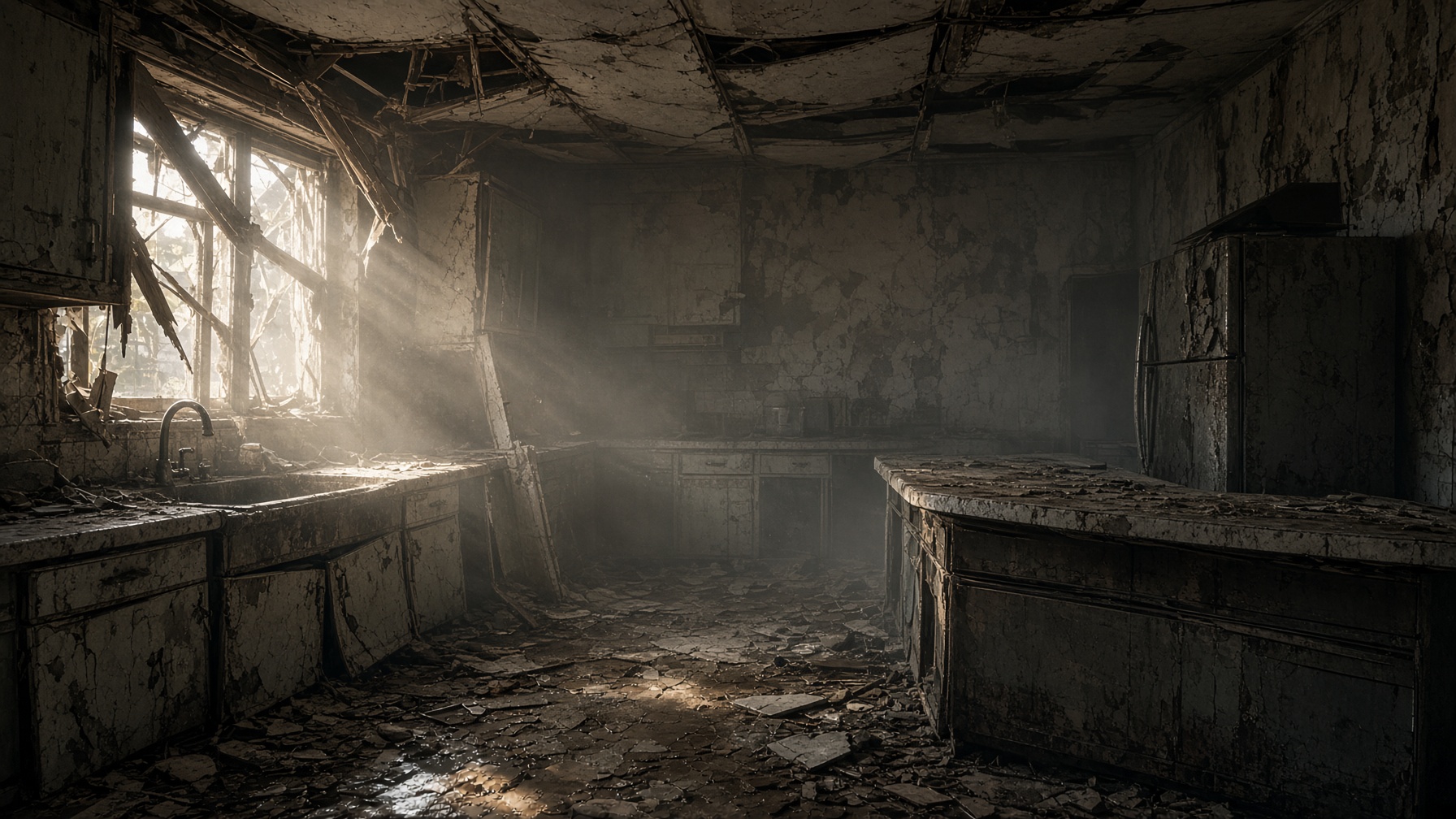
Aftermath / Ruin begins when the event is already over. Dust, warped rooms, blank maps and names that no longer stick. These films refuse the spectacle of collapse in progress. They stay with settlement, inventory, and the day after labels fall off. Nothing is rebuilt for comfort. Ruin can be a city edge or a kitchen. Usefulness has ended. The structure still occupies space. That occupation is the subject — not how the walls came down.
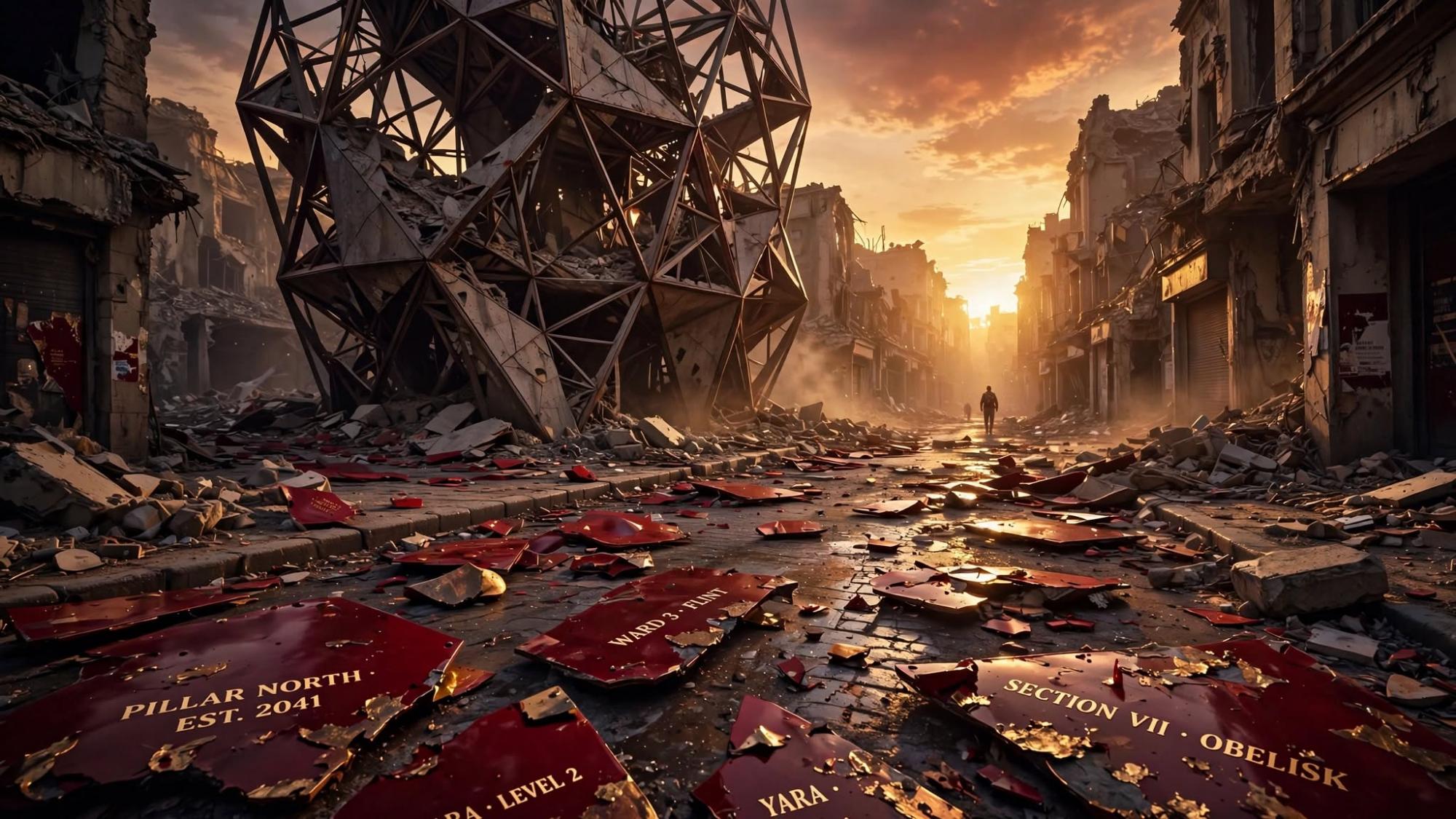
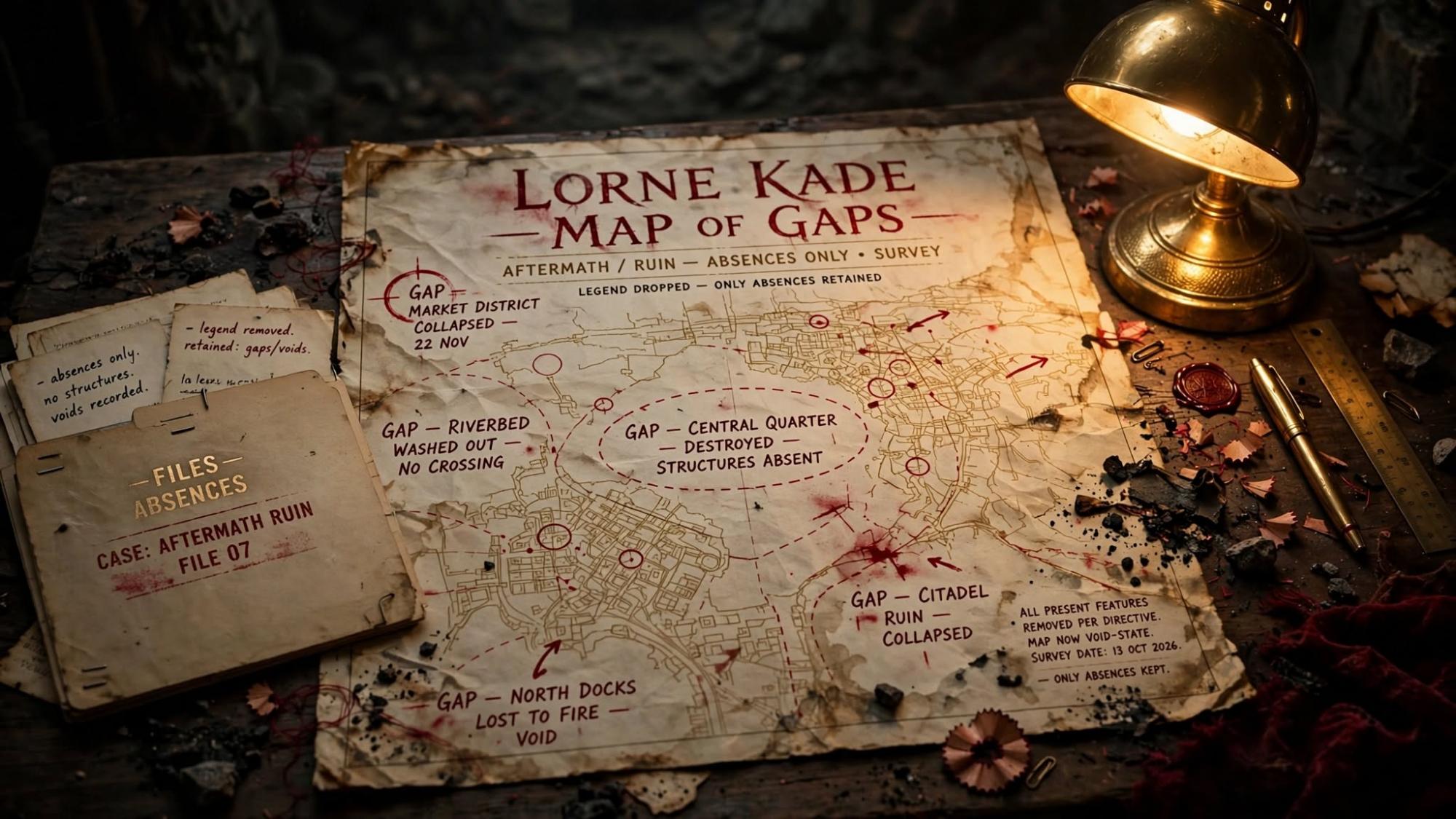
Human-scale residue under irreversible pressure. A chair that survived. A till that will not open because nothing is for sale. Grey that has chosen its surfaces and will not drift for drama. A cup heat did not take. A map that keeps absences and drops the legend. Enamel plates on the ground, letters that no longer attach to the street they named.
Tragedy spends a last choice while the ending is visible. Memory / Identity files the name after the person steps aside. Aftermath files the ground after the event — no villain required, no rebuild offered as hope.
Six closed circuits. Kael Morrow walks after the fall. Briony Salt keeps a shop that no longer has a day. Eamon Drift lets dust finish falling. Tamsin Rook keeps the object heat did not take. Lorne Kade files a map of gaps. Yara Flint walks geometry after the plates come off.
Belongs to Human & Fate.
One climate
Together they hold the day after usefulness — six rooms in which the event is refused as spectacle, and the ground is the only honest document.
The principle
After the event, only the ground remains
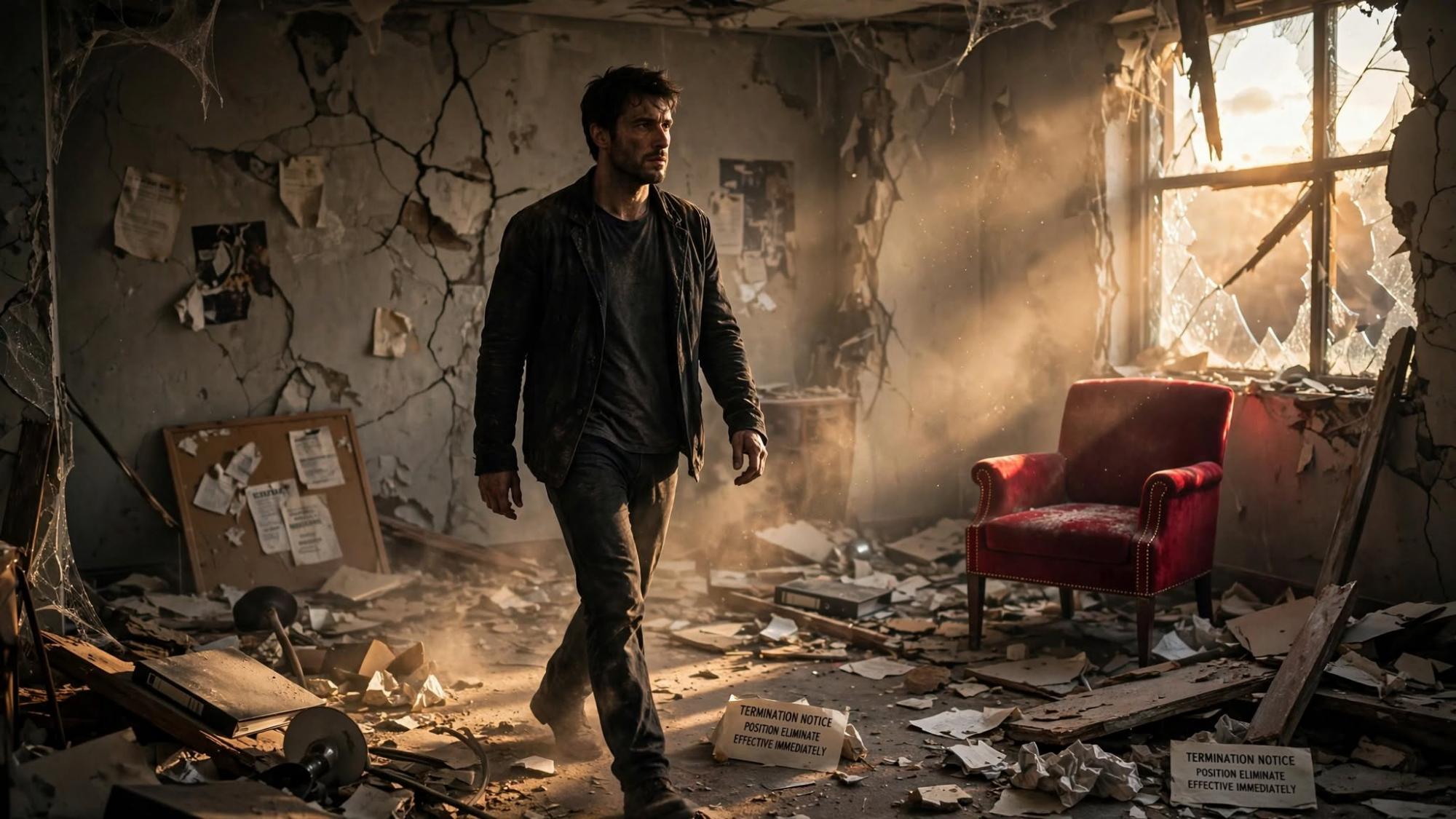
The fall is not filmed. Dust is. Kael Morrow inventoried buildings for an office that no longer sends him out. He walks a room that still has walls and no longer has a job. Ruin here can be a kitchen. The shared condition of the climate is that usefulness has ended while the structure still occupies space. Measuring continues. The measure no longer matters to anyone who could pay for it.
What the camera refuses: the spectacle of the fall, a rebuild for comfort, a speech that explains the dust. Settlement is the scene. The chair that survived is enough architecture.
Ordinary ruin
A shop that still has a door
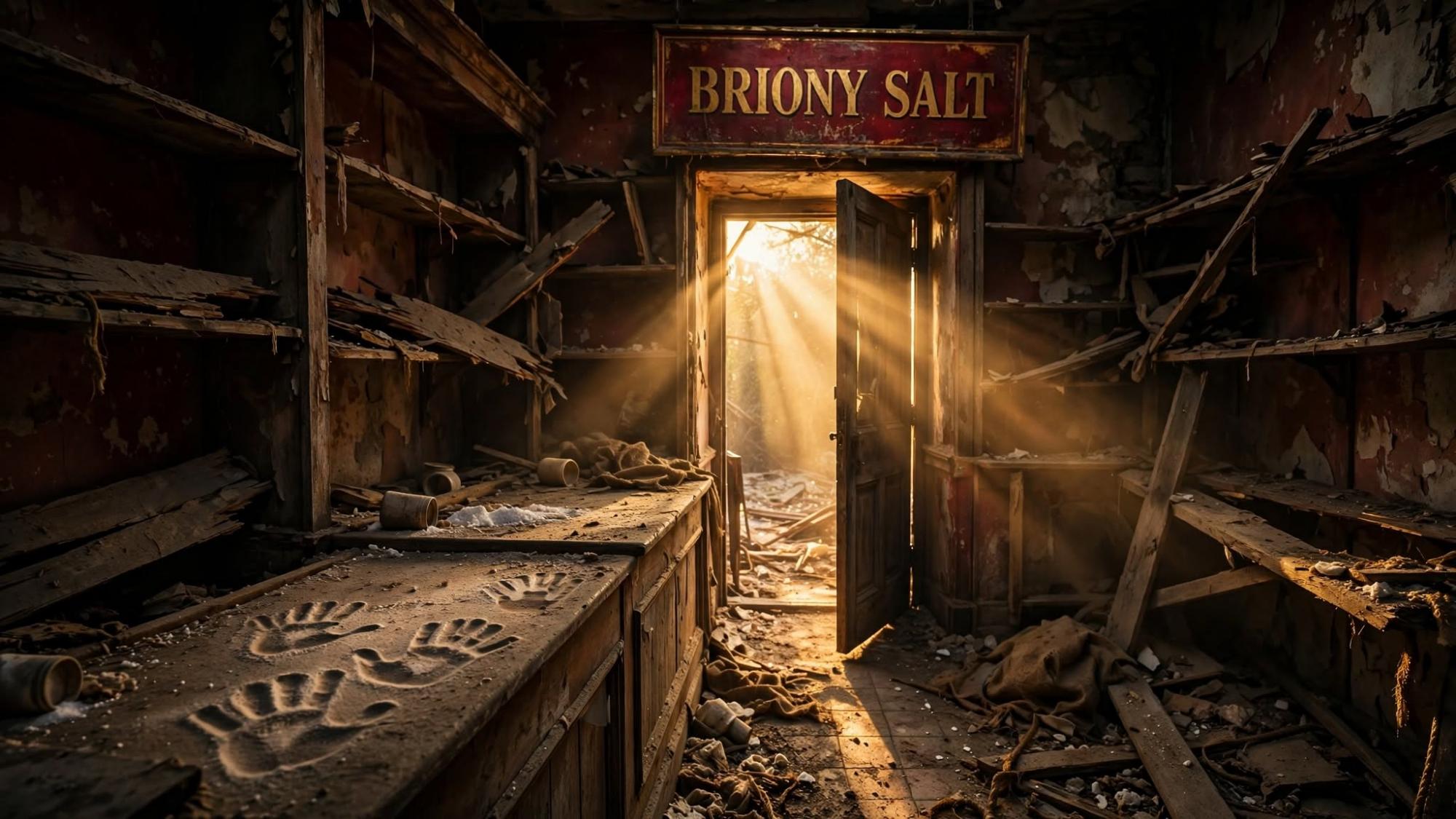
Briony Salt kept a till on a street that used to mean errands. The shop is empty of custom and full of dust. Ordinary ruin: no monument, no battlefield. A counter that remembers hands. The door still opens. Shelves do not. Inventory continues without customers. This is not a looted ruin waiting for news. It is a day that ended and left the furniture.
What the camera refuses: a looting scene, a grand reconstruction, a neighbour who arrives to make the emptiness social. The ordinary was the whole life of the street. Its ruin is the whole film.
Settlement
When the air has finished falling
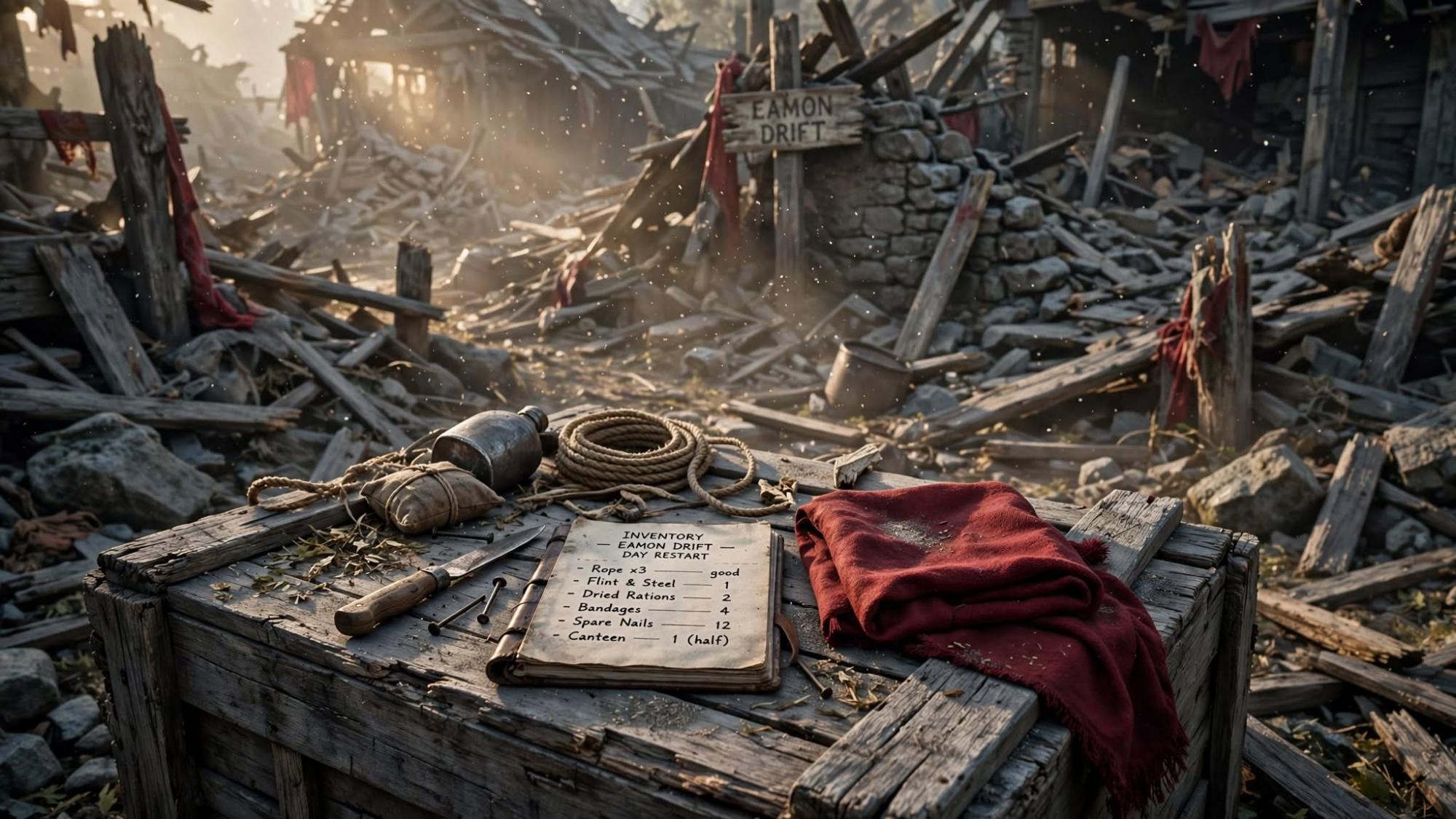
Eamon Drift cleaned other people’s rooms for a living. This dust is not his to lift. Settlement is the climate: the event is over, the particles have chosen surfaces, and moving them would only pretend the day can restart. Grey on wood is the honest inventory. Still air is the plot. A broom would be redemption the climate will not hire.
What the camera refuses: a cleaning as moral, a breeze that restarts the fall for beauty. Dust that has finished falling is more accurate than dust that still performs.
Residue
What heat did not take
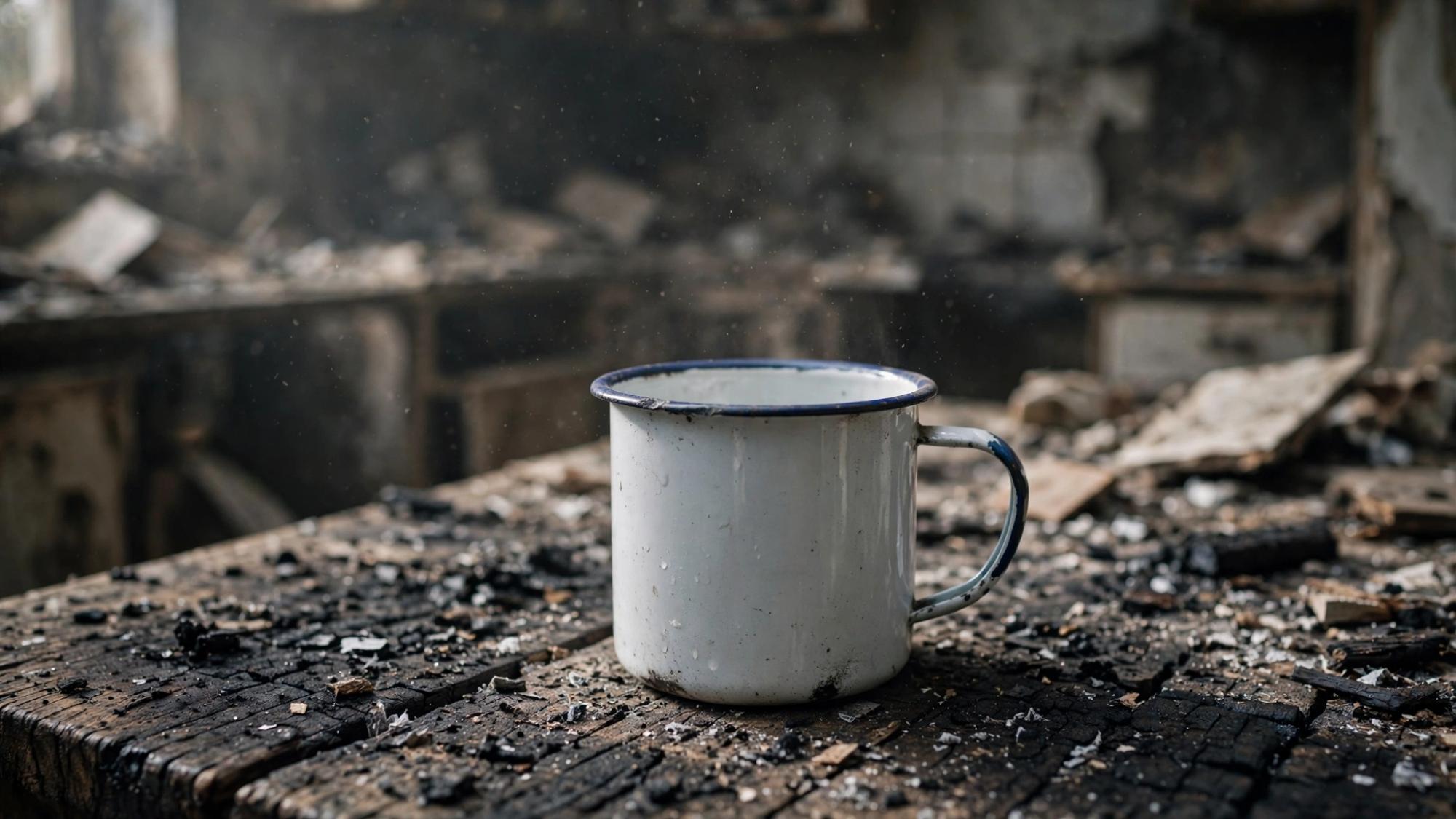
Tamsin Rook fired kilns for a workshop that no longer stands. The fire in this film is already out. What remains is a cup and a room that remembers heat without showing flame. The cup is not a symbol first. It is what is left. Flame as spectacle would belong to another climate. Aftermath keeps the object and refuses the event.
What the camera refuses: the fire itself, a rebuild, a speech over the cup. Lorne Kade, next, files a map that keeps only absences. Yara Flint closes the six among plates that no longer stick. Names fall off. Geometry remains. The climate does not rename the ruin.
How to enter
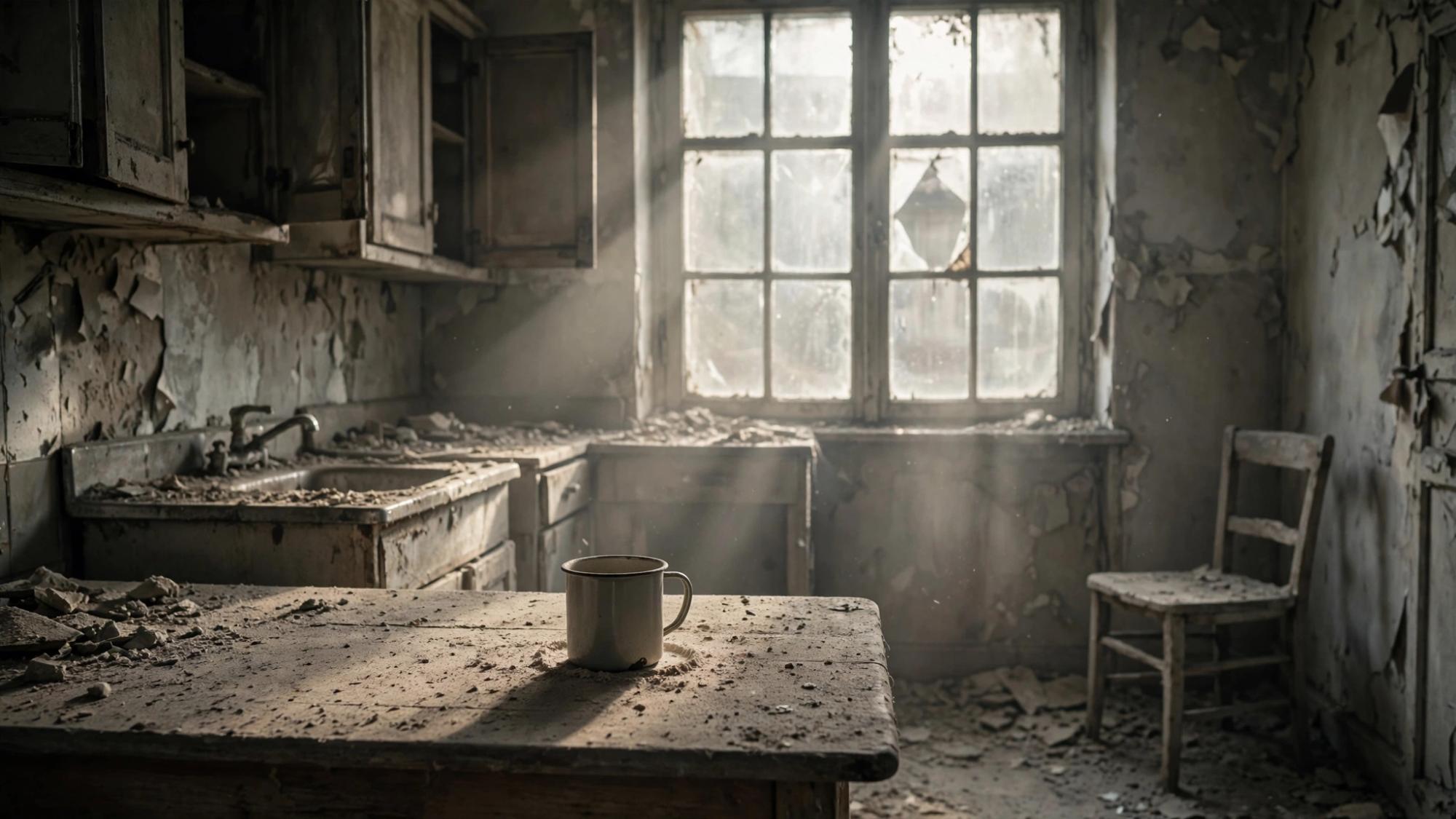
Enter by the dusty kitchen if you want the law without a skyline. By the shop if ordinary ruin is the scale you can stand. By the cup if one object after heat is enough. This climate does not reward watching the collapse. The collapse is already over. You come for what still occupies space.
If the name is what shifted, Memory / Identity. If a last choice is still available, Tragedy. The house is Human & Fate.
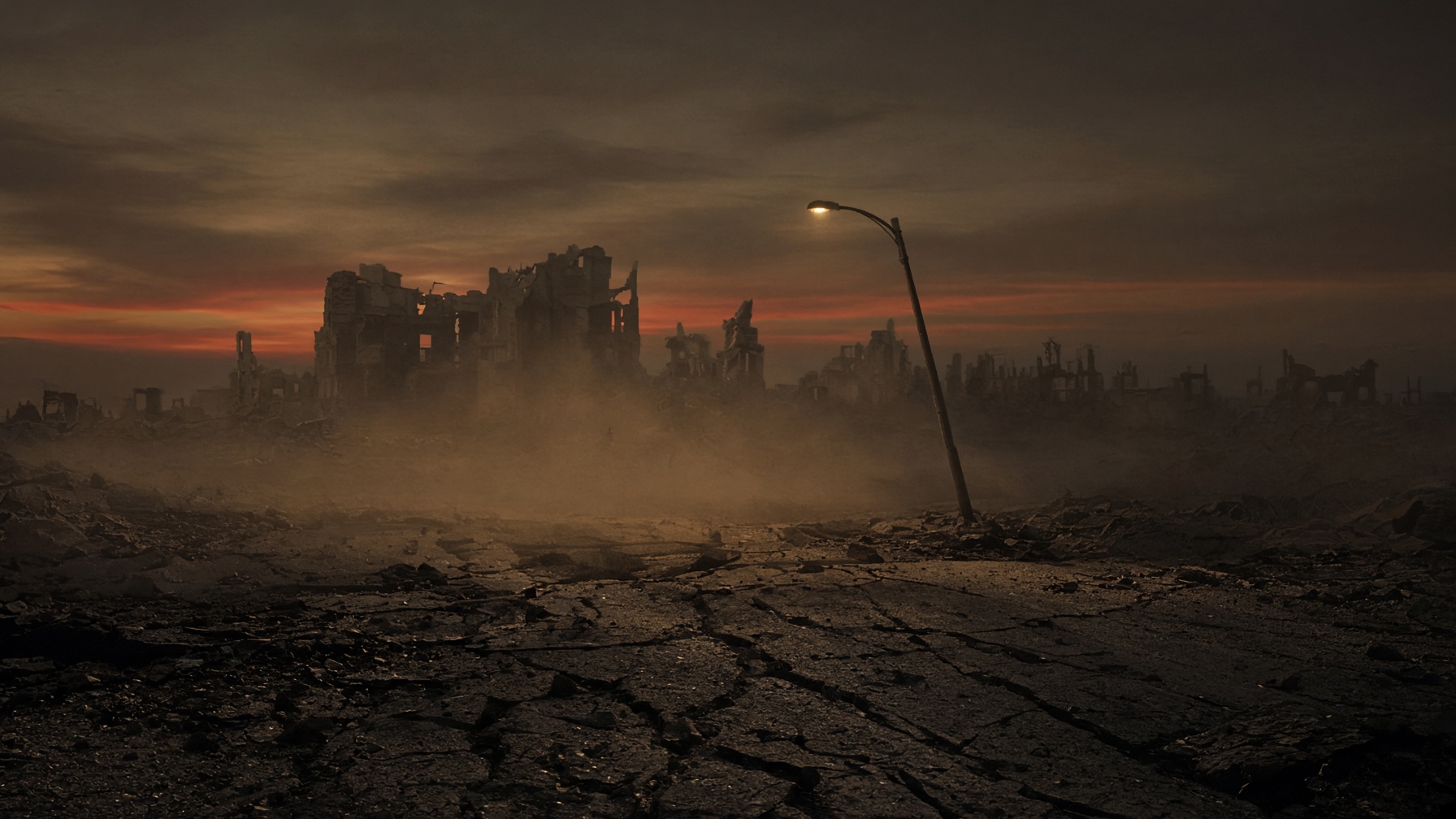 After the Fall
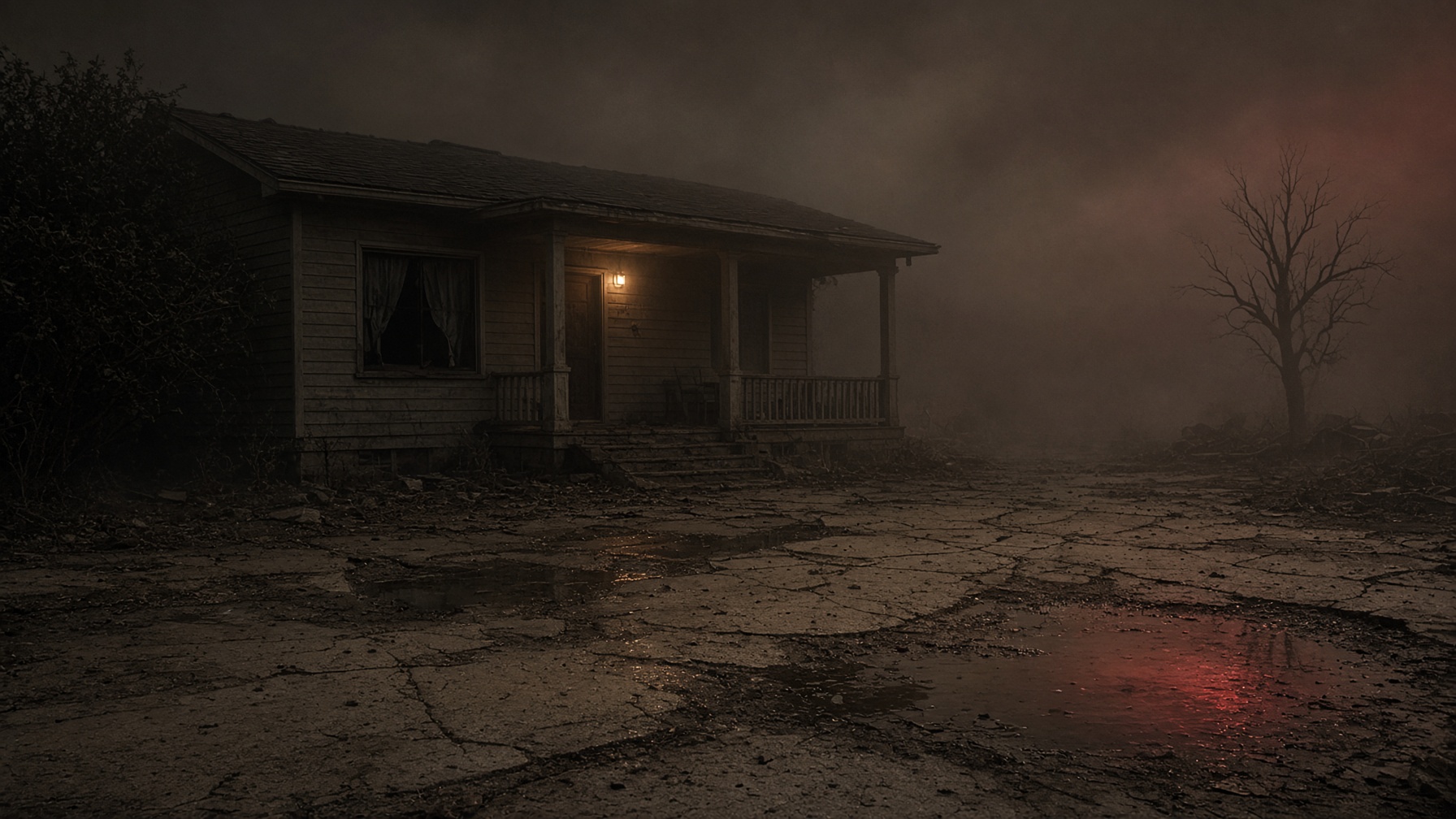 Ruins of the Ordinary
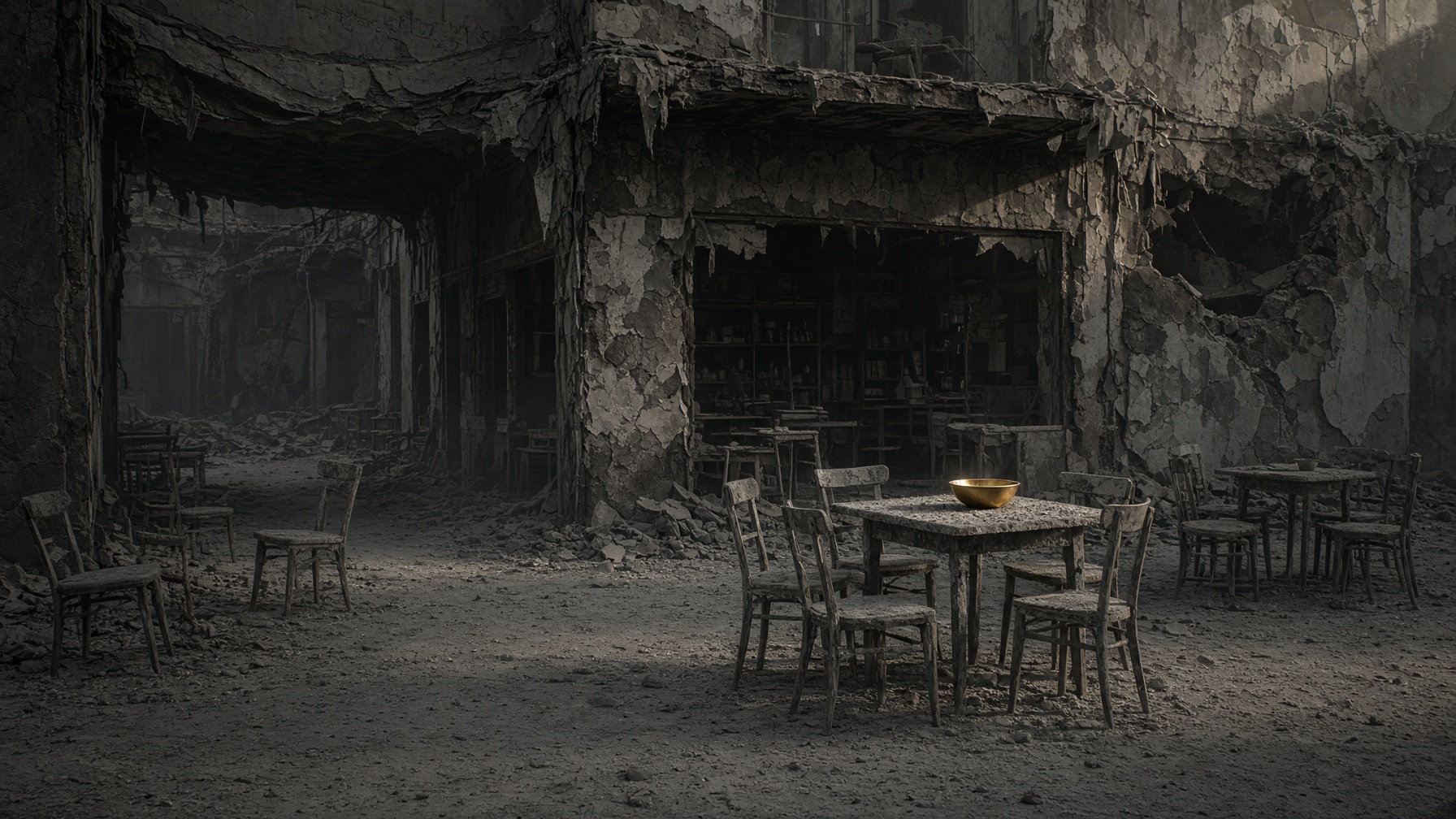 Dust Settlement
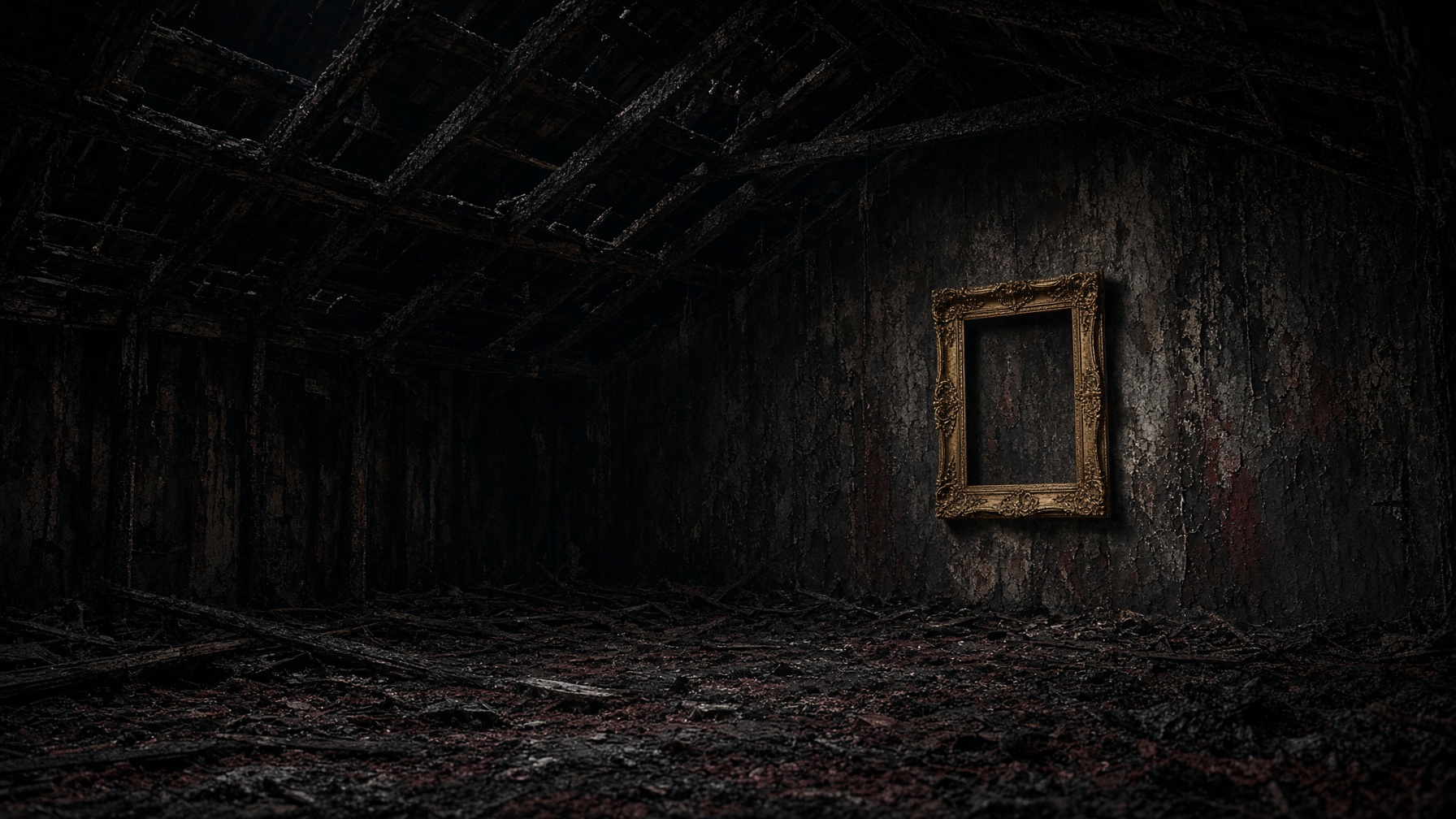 What the Fire Left
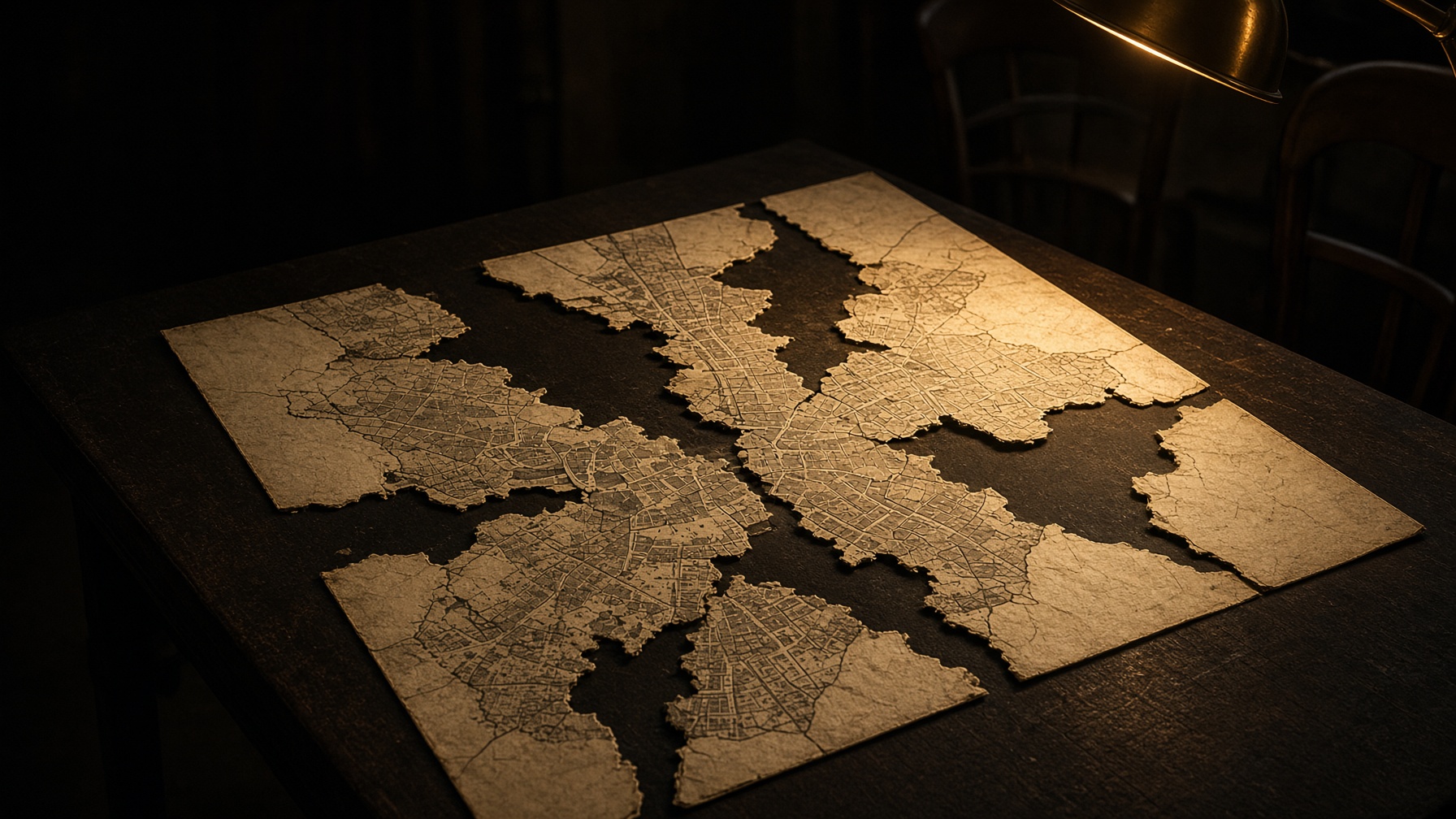 Map of Absence
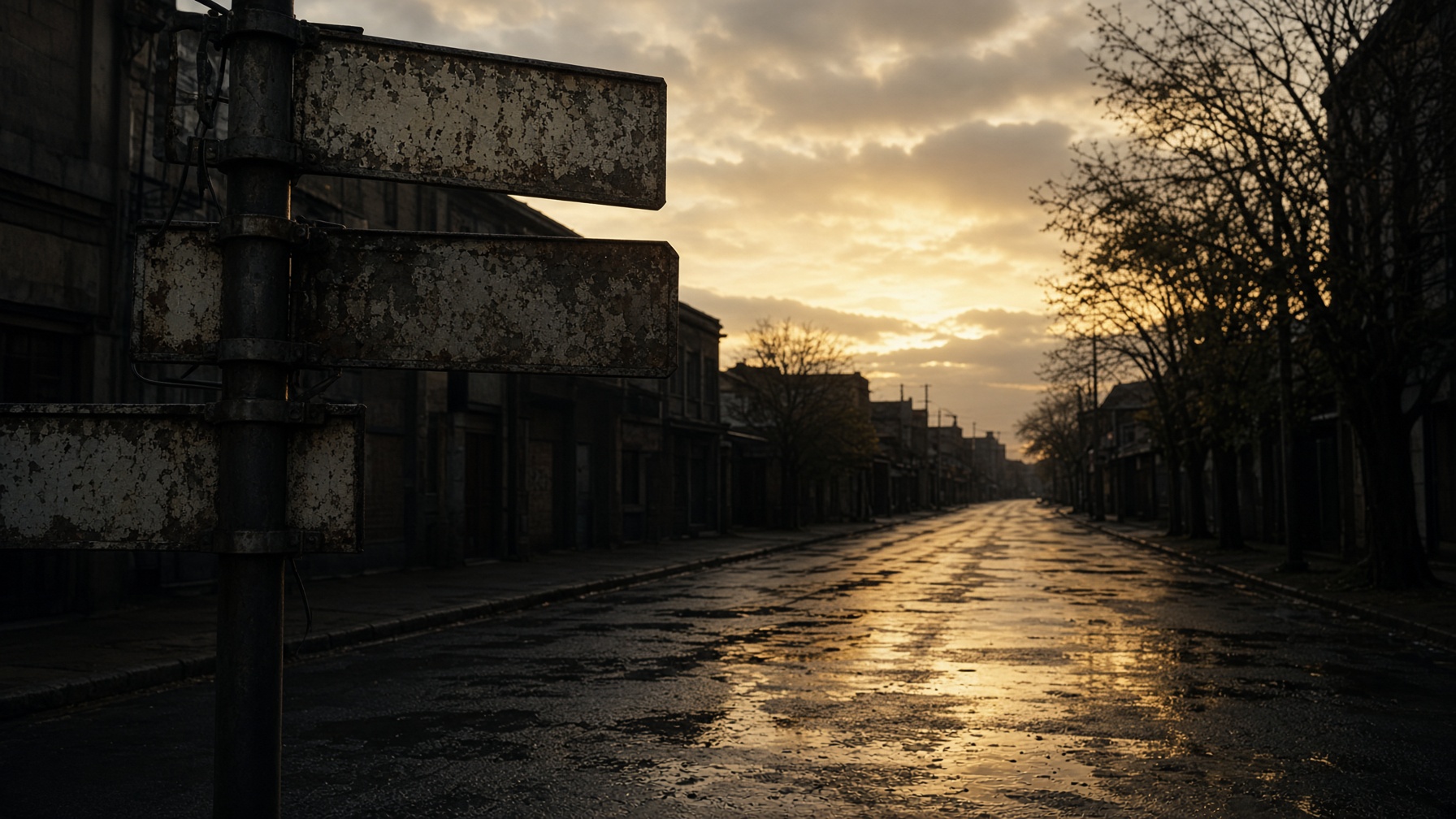 The Day After Names