After the Cut
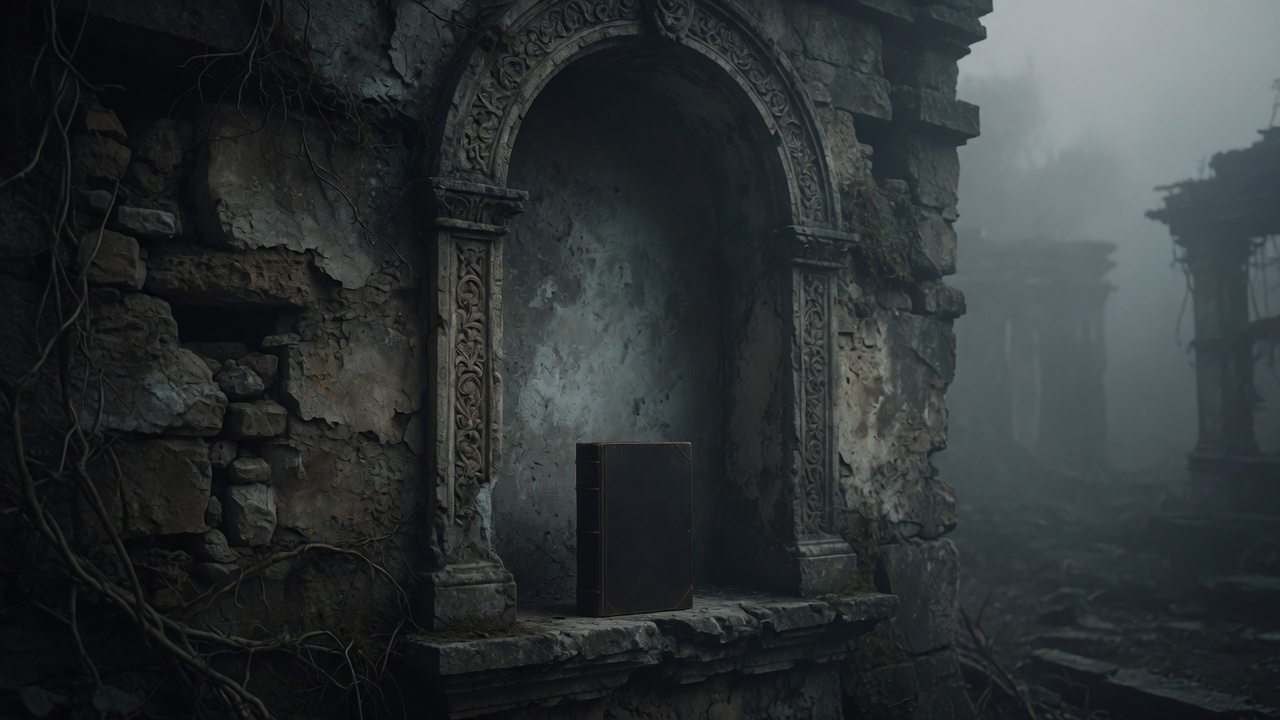
Key art
Order
An editing booth at night. The splice is on the table like a tool that has already been used. On the timeline a gap that is not empty: one frame taken out, the two edges refusing to meet. The editor has a name the studio no longer uses. She does not mind the name. She minds the cleanliness of the cut.
The booth fan is the score. Do not add music to help the gap feel tragic. The gap is a technical fact that happens to be cruel. Keep the cruelty in the timeline, not in a swell.
The edit
She does not scrub the reel for the missing second. She looks at the gap until the edges stay enemies. She puts the splice back in the can and does not seal it. Sealing would mean the decision is over. The studio will call it final in the morning, without having been in the booth.
She does not cry and she does not explain the missing person to an empty room. She looks until looking is no longer research. The can stays unsealed. A sealed can is the studio's morning, and the studio is not here.
What is left
The picture stays in the booth. The street under it, the chair, the unpaid glass, the three letters of the sign, are the minute it will not walk down to see.
Under the booth there is a street, a sign with three letters still lit, a chair, a glass. She will go down. The scenario does not. It ends on the unsealed can.
 Scenario Editions