Threshold Piece
Overview
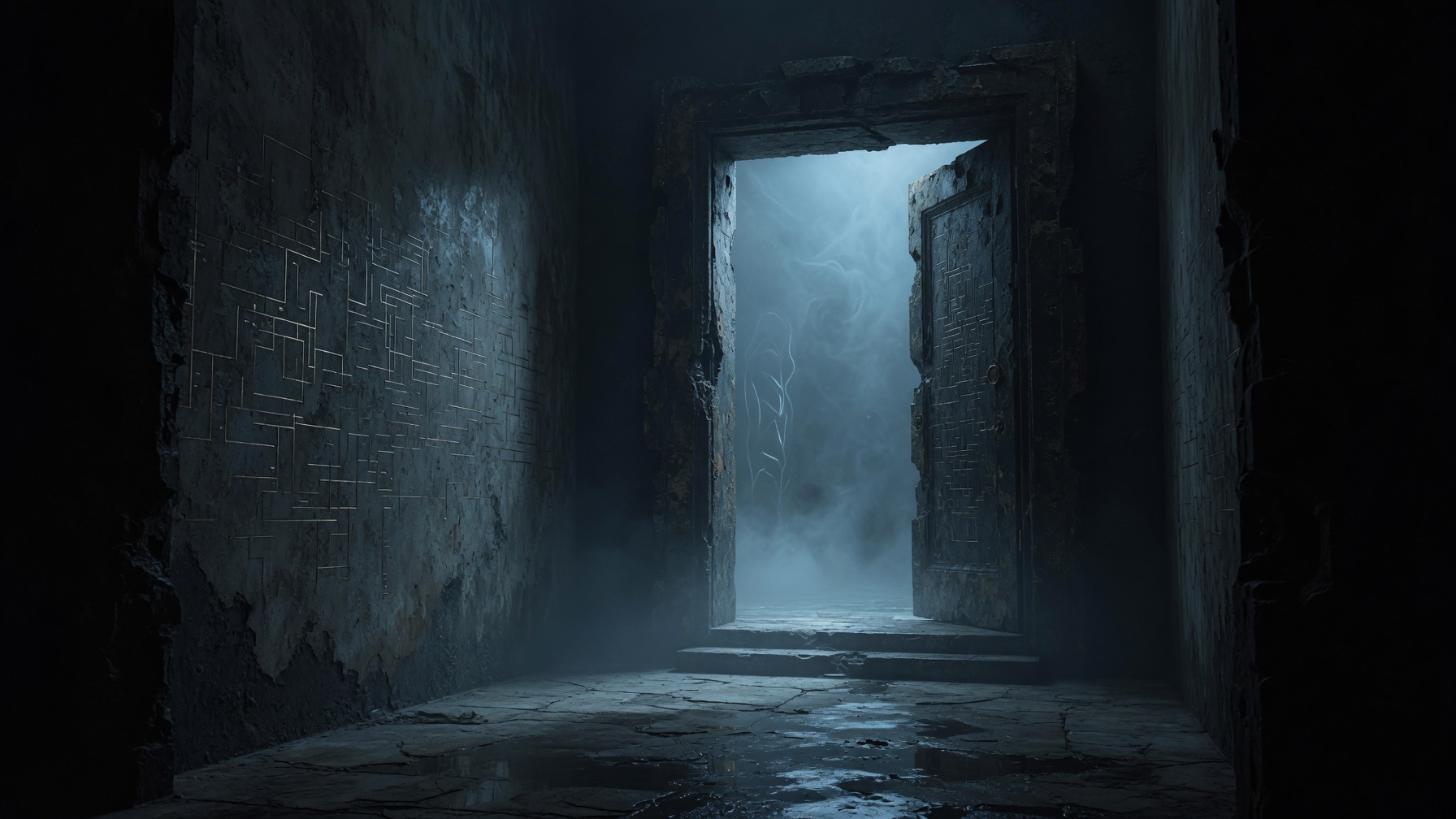
Threshold Piece keeps the film on the strip of wood between two rooms. The far side is refused. A door and a decision. The edge of a known room. Names that change only at the lintel. The moment between is not a pause in another story — it is the climate. Archive Lines holds the threshold because a recovered file and a ritual both have a point where the hand hovers.
The visual law is handles, worn sills, unlit space beyond. Not civic motorways. Not interview chairs. Ines Ward stays on the near side. Tobias Keen repairs doors. Mara Elling maps rooms until the map reaches an edge. Elias Penn keeps the first unlit step. Noor Ash changes names only at the lintel. Clemency Rigg times the moment between.
What is refused: crossing for plot, a new life that would finish the name, a corridor after the step. The hover is the film.
The principle
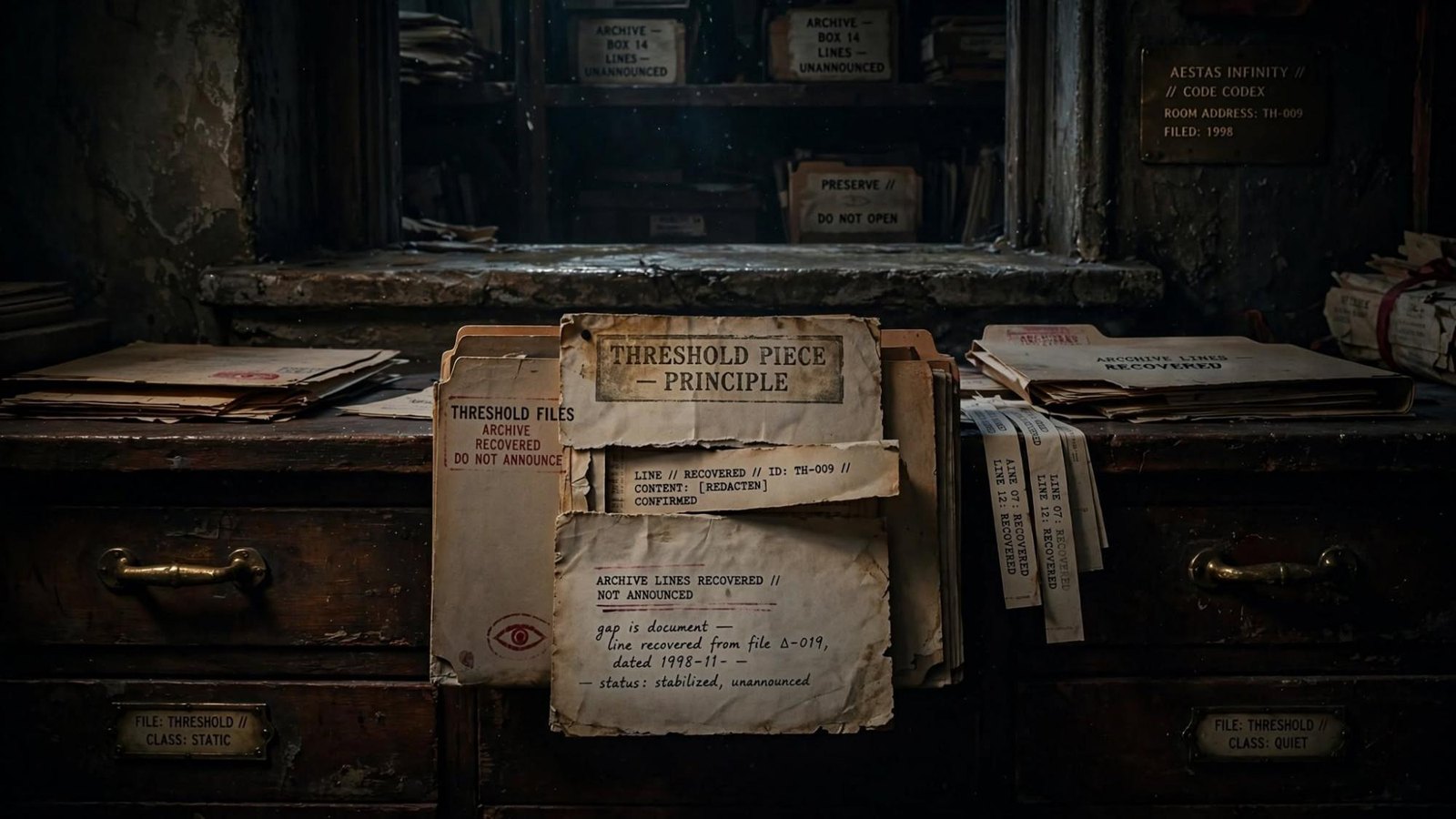
Archive Lines. Recovered rather than announced. The gap is the document. Threshold Piece keeps the film on the strip of wood between two rooms. Crossing for plot would end the climate at the exact moment a lesser story thinks it has begun.
The far side is refused. Not locked, not monstrous. Refused. A hand can rest on the decision for as long as the shot lasts. The shot is not in a hurry, and neither is the door.
Handle

Worn sills. Unlit space beyond. Not a civic motorway and not an interview chair. Before Crossing is Ines Ward on the near side, where the reasons still work. The handle is there. Taking it would be a different film, and she has not applied.
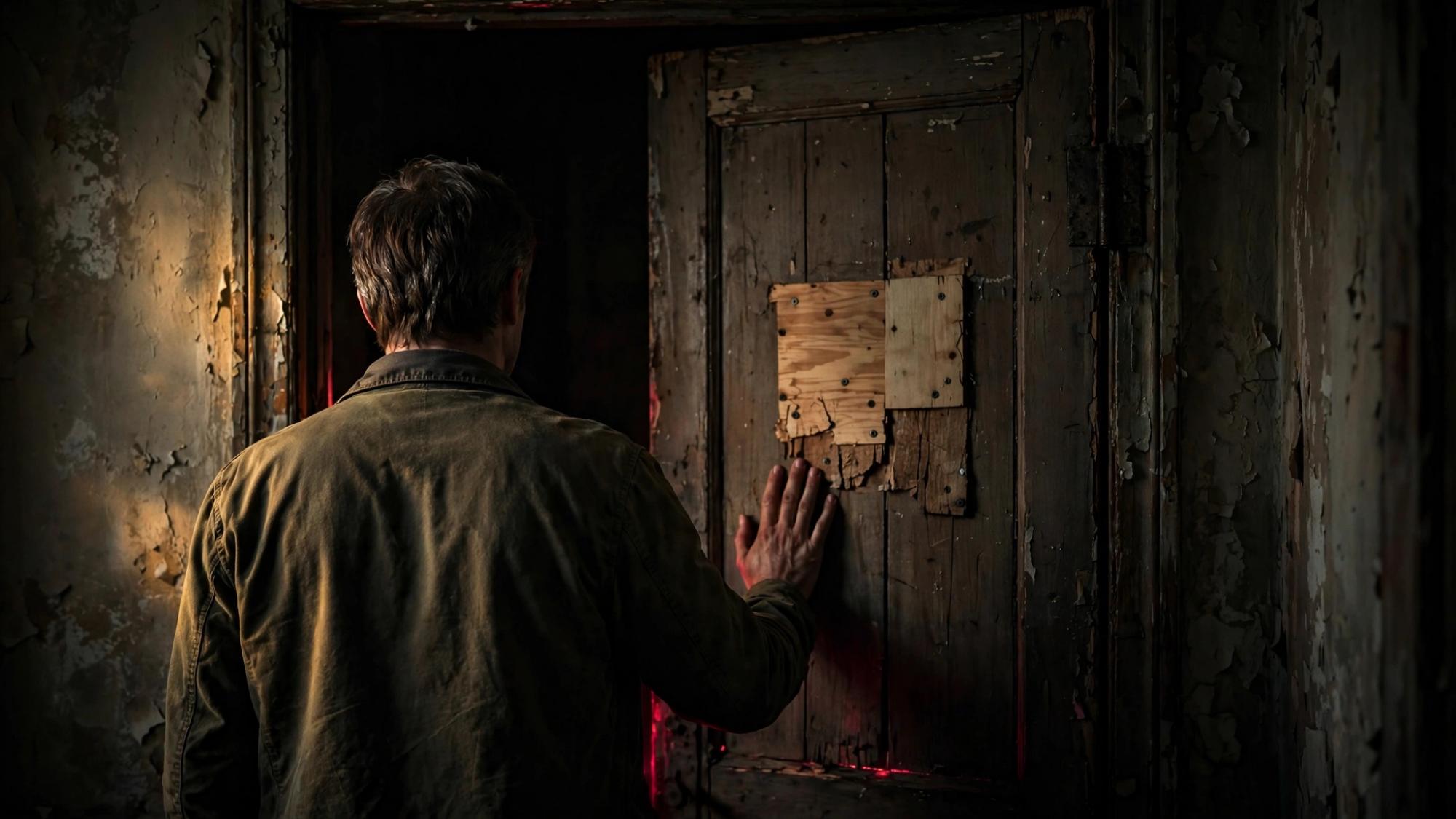
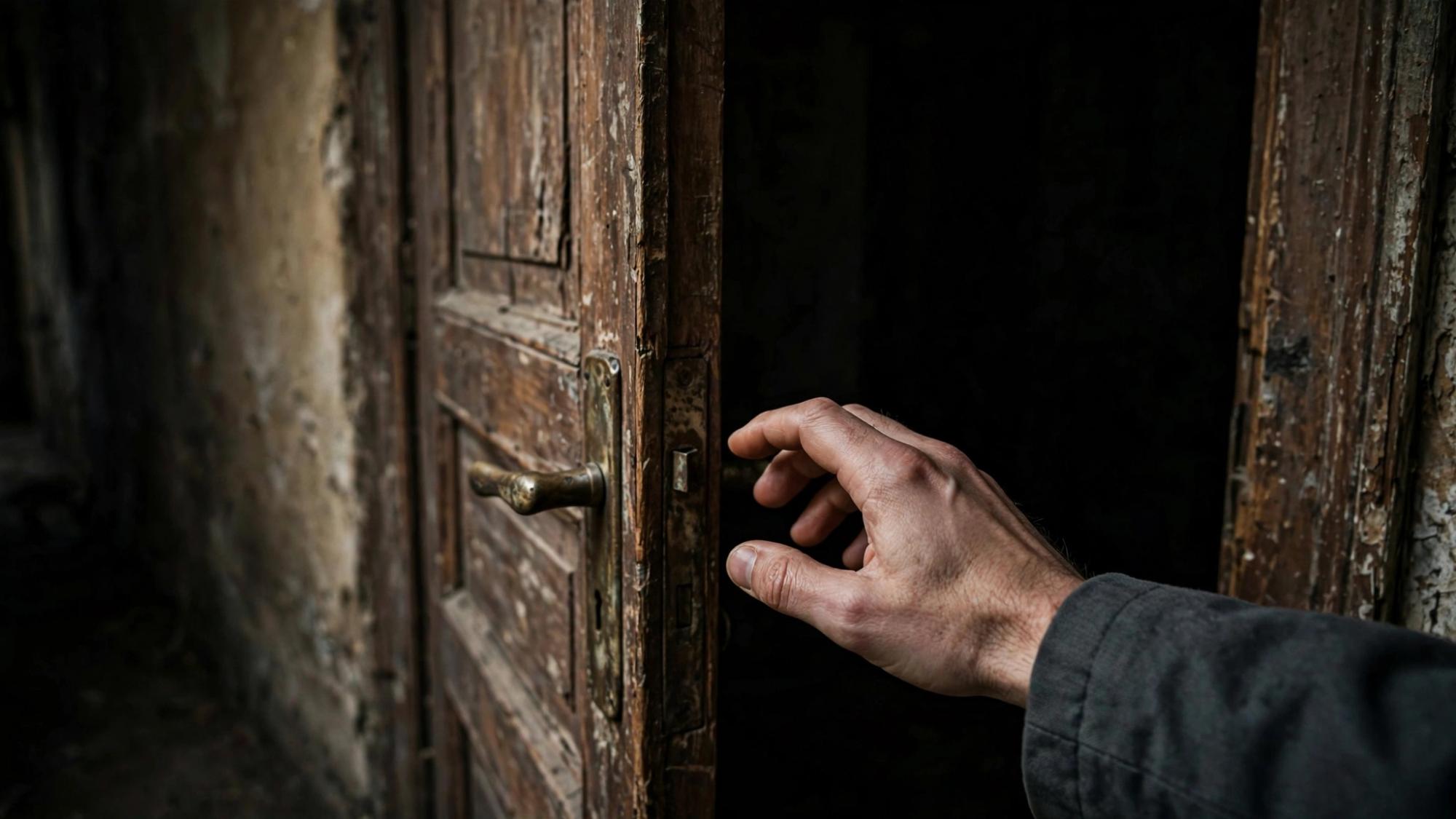
The Door and the Decision is Tobias Keen's repaired door. The patch is honest about the break. His hand rests on the decision and does not cross. The far side stays dark. Dark is not an invitation. It is the refusal, left open so you cannot pretend you were not told.
Edge of the Known Room
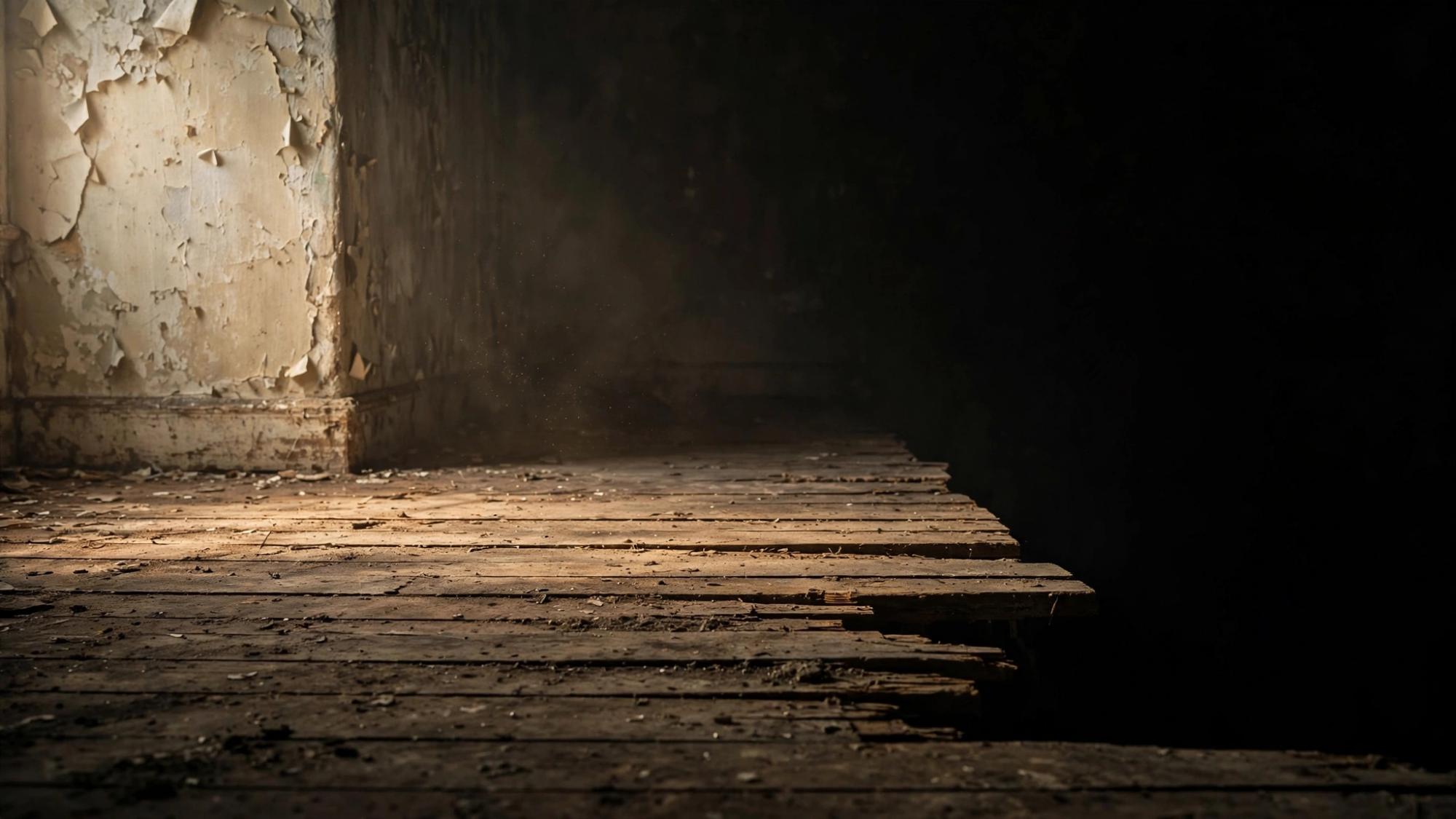
Edge of the Known Room is Mara Elling's last lit board. The map ends because the room ends. Past the board the dark is not a corridor with a future in it. The film stays on the strip. A map that continued would be a comfort, and comfort is how people get lost on purpose.
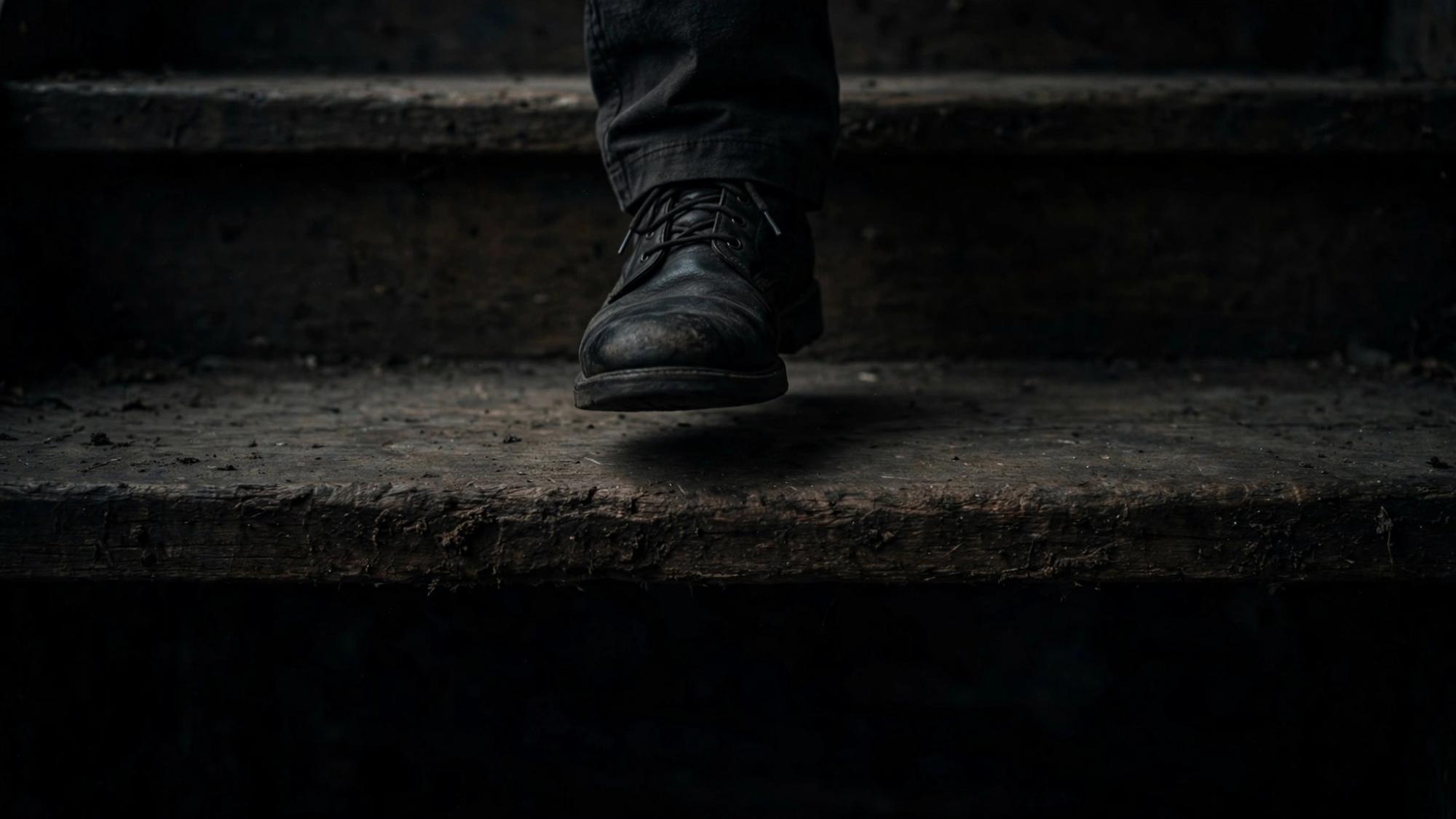
Step Into the Unlit is Elias Penn and the first dark step. One shoe, paused. The step is the whole frame. Taking it would turn the climate into a journey. Journeys are for people who believe the next room owes them a name.
The sill
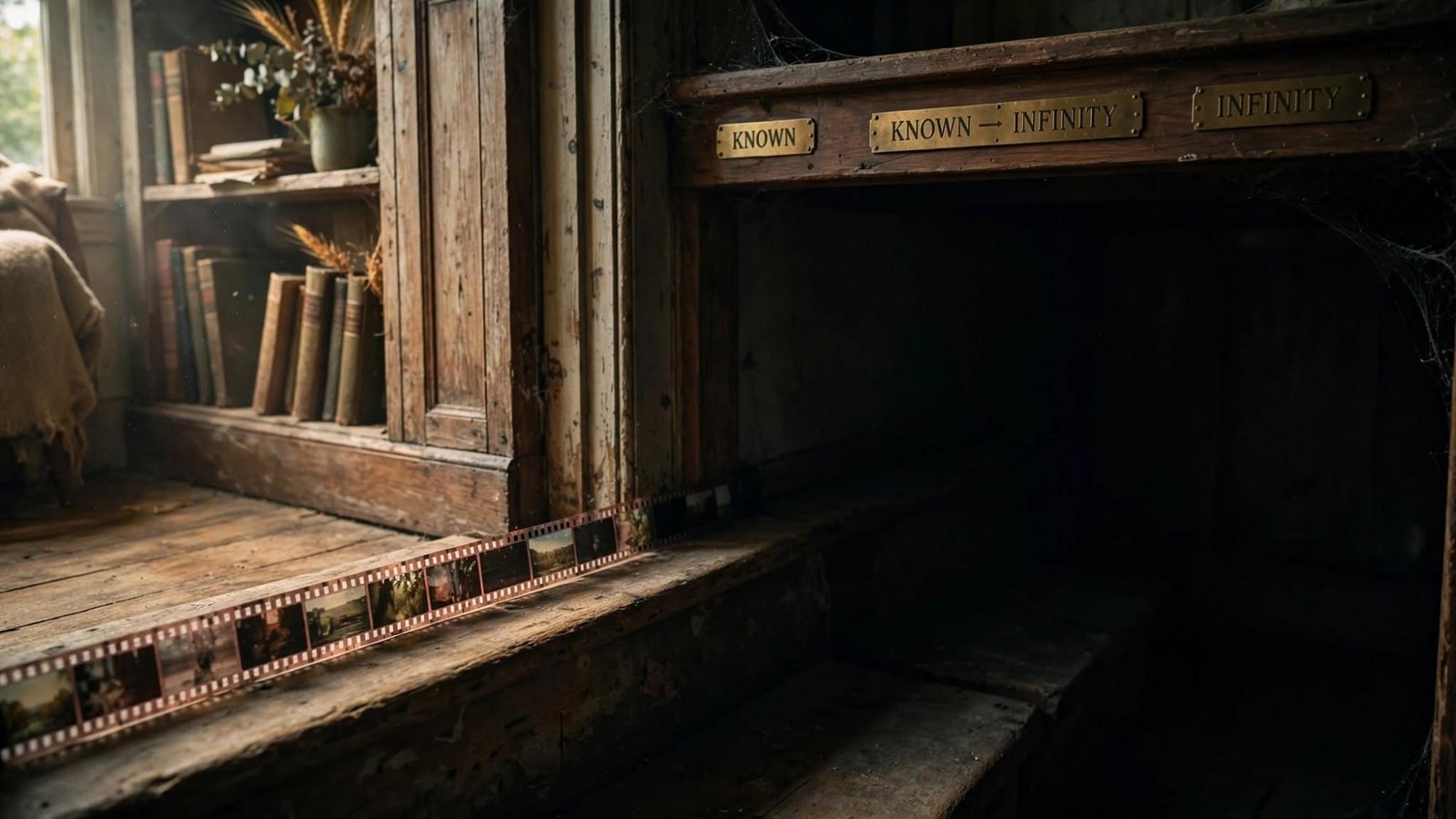
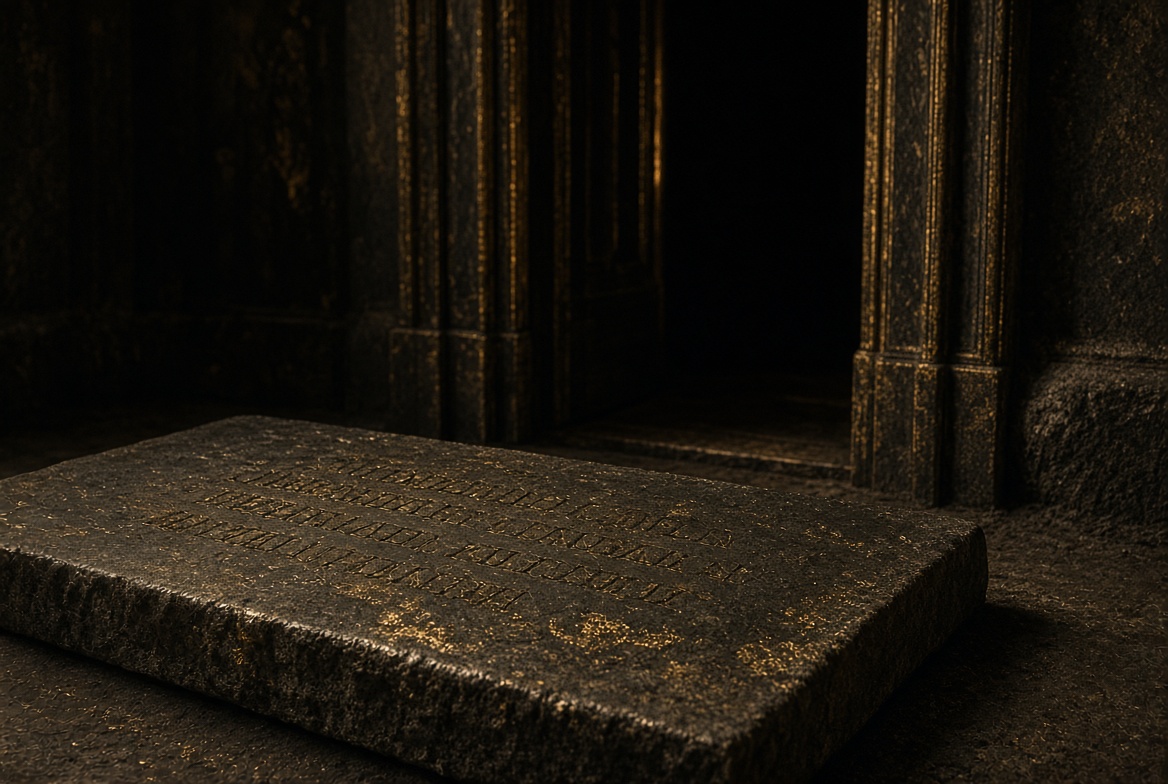
Threshold of Names is Noor Ash's rule: a name changes only at the lintel, and not a step before. On this side you are still the person the room can stand. The other name is not a reward. It is what the door charges.
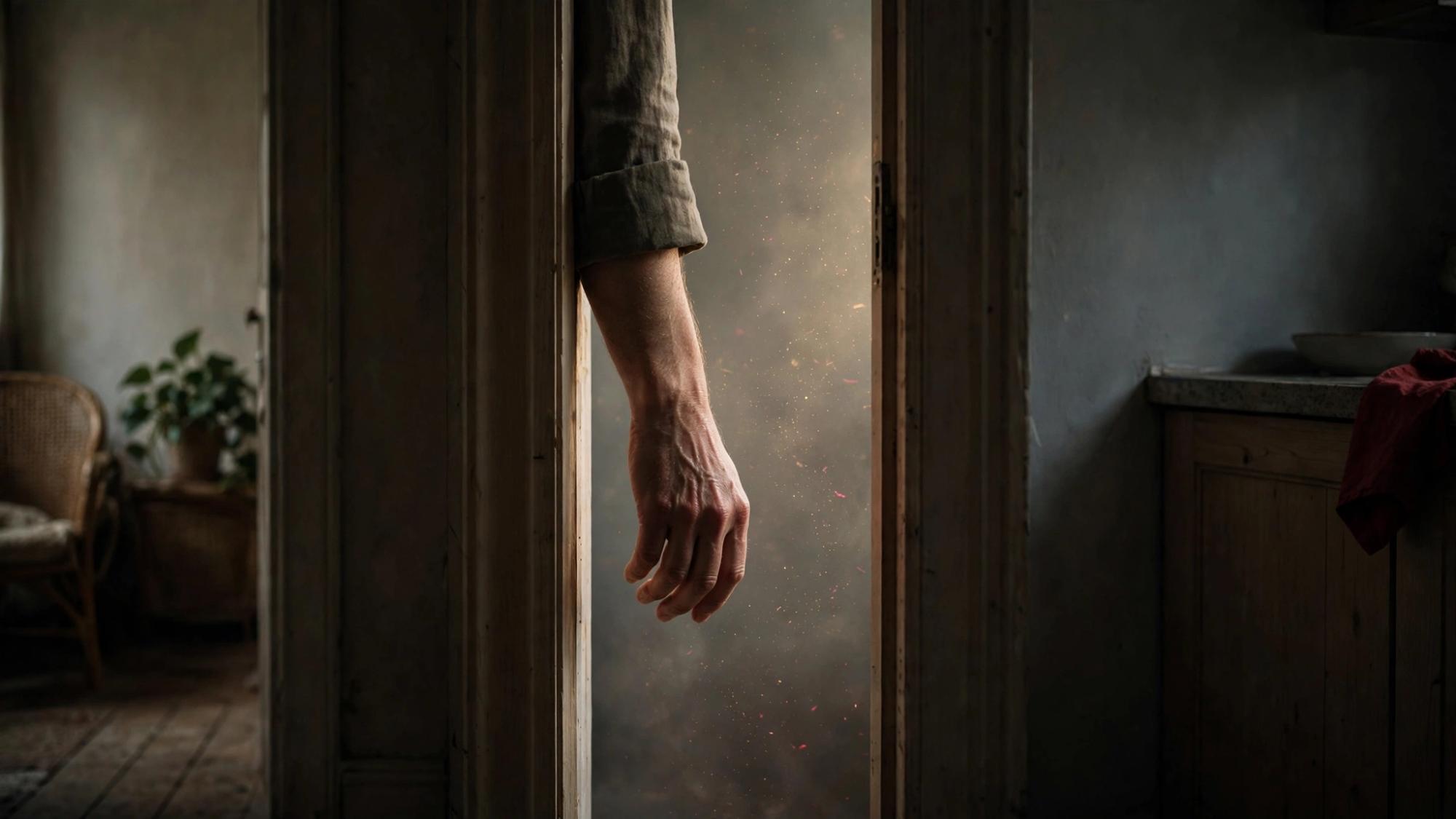
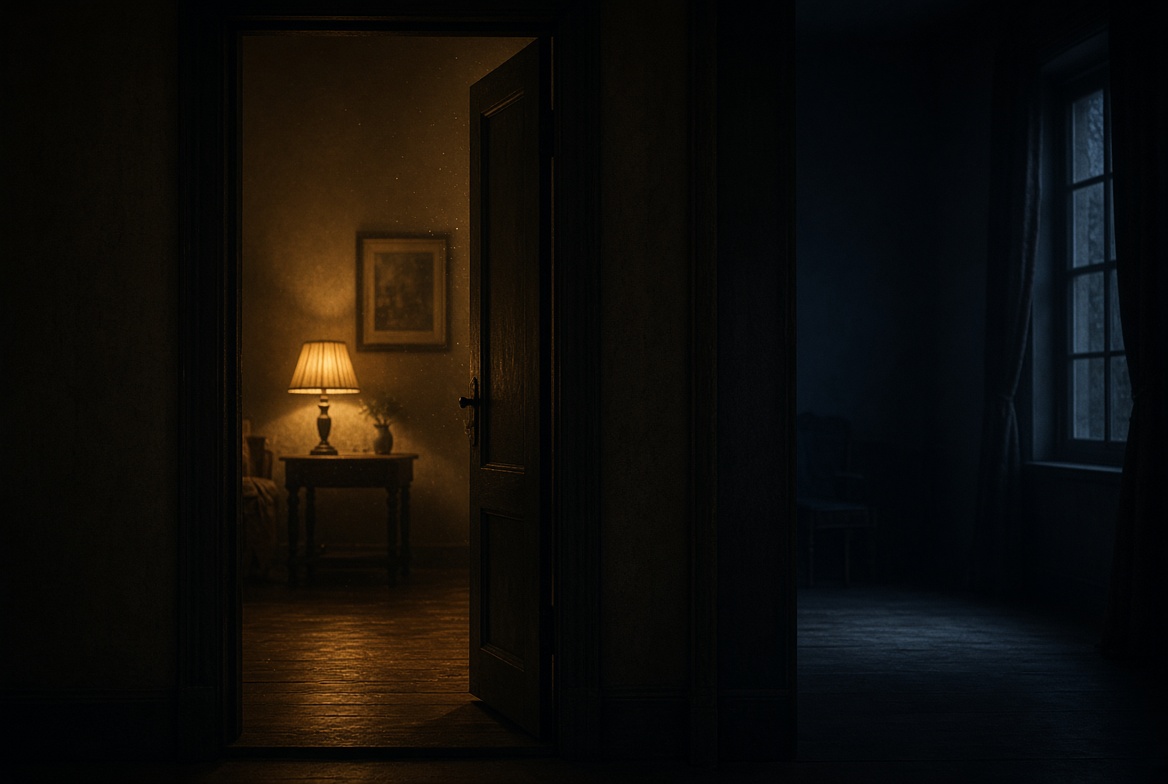
The Moment Between is Clemency Rigg's strip of time, two rooms, one hand that has not chosen. It is not a pause in another story. The moment is the climate. Choose, and you have left the film in order to have a life. The archive, unkindly, prefers the hover.
How to enter
Do not cross for plot. Before Crossing with Ines Ward. The Door and the Decision with Tobias Keen. Edge of the Known Room with Mara Elling.
Step Into the Unlit with Elias Penn. Threshold of Names with Noor Ash. The Moment Between with Clemency Rigg.
A story that continues lives under Episodes. These do not.
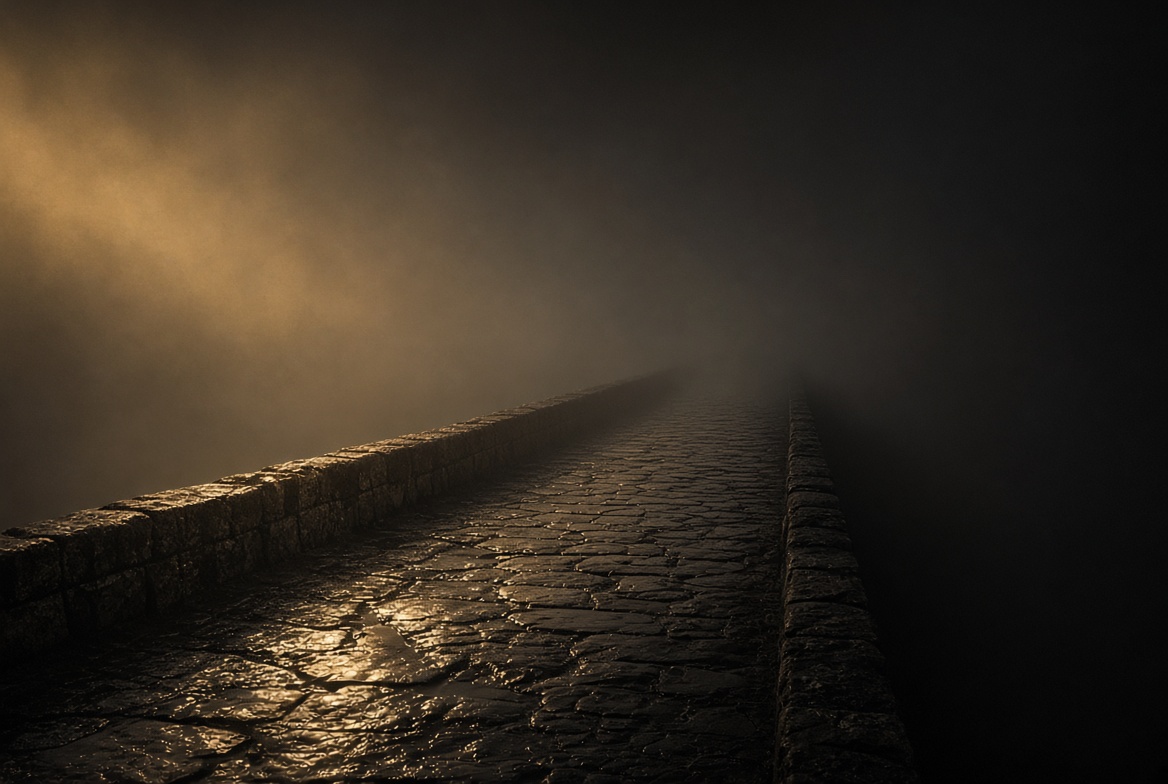 Before Crossing
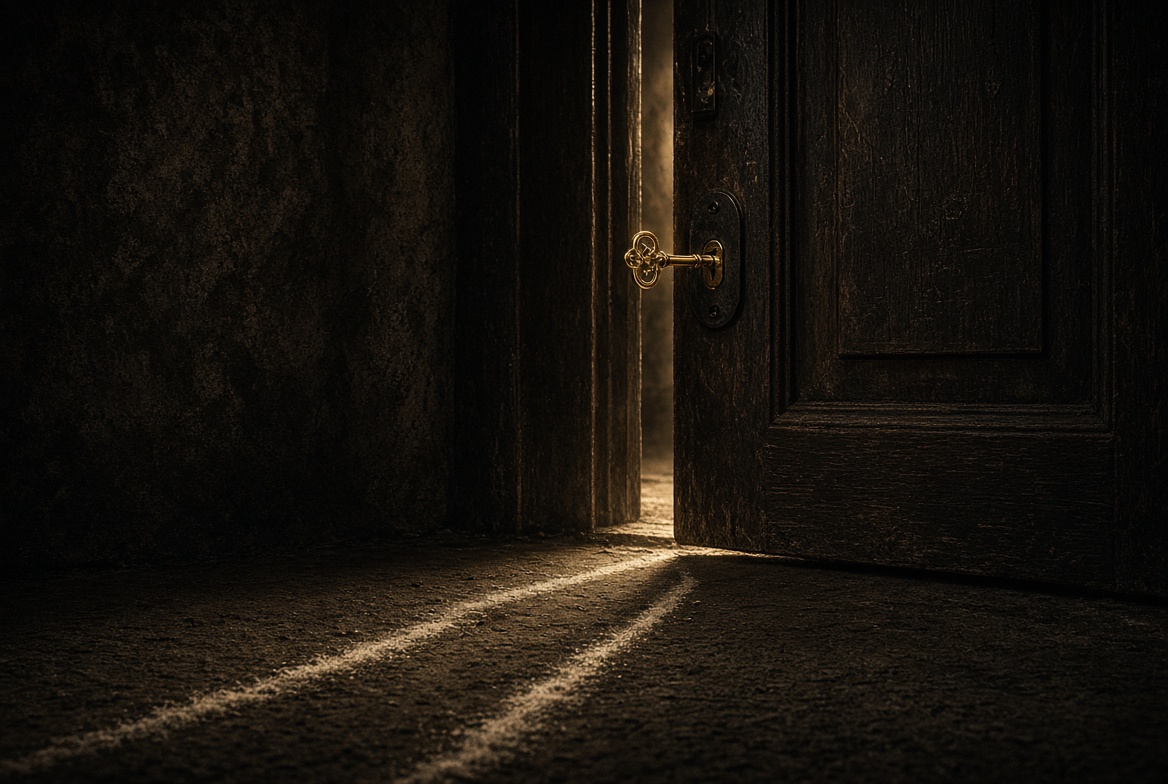 The Door and the Decision
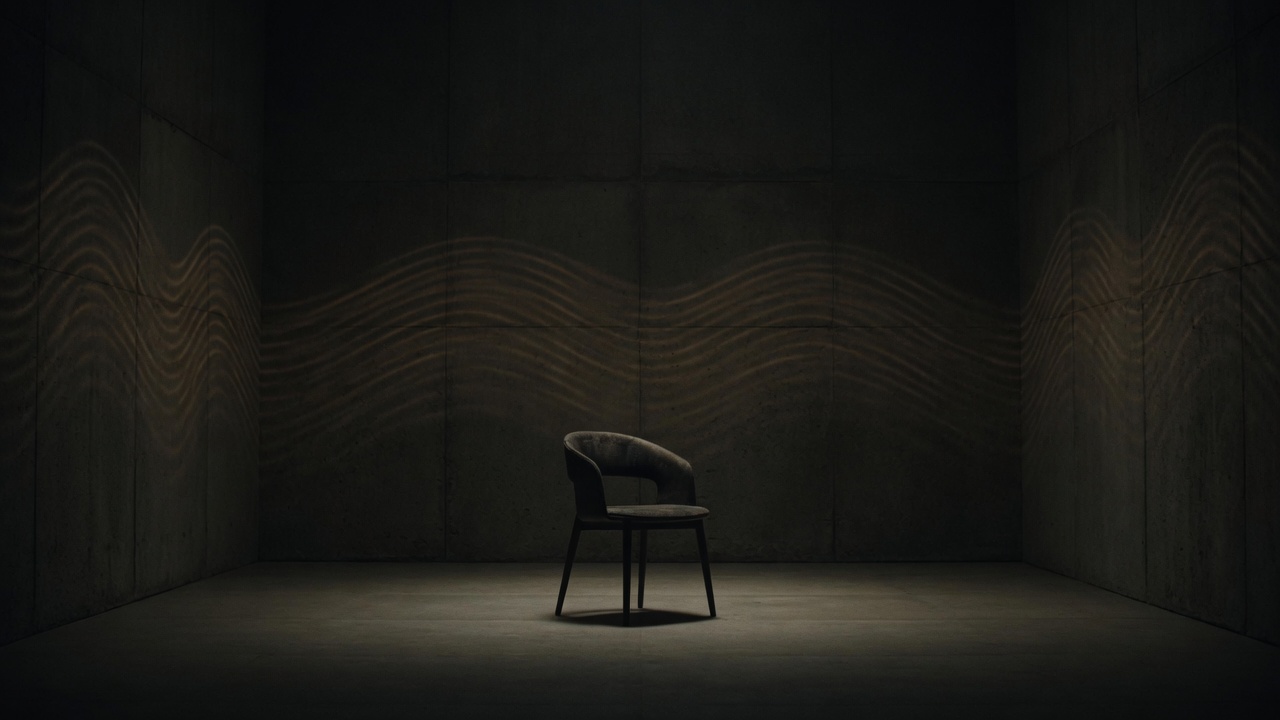 Edge of the Known Room
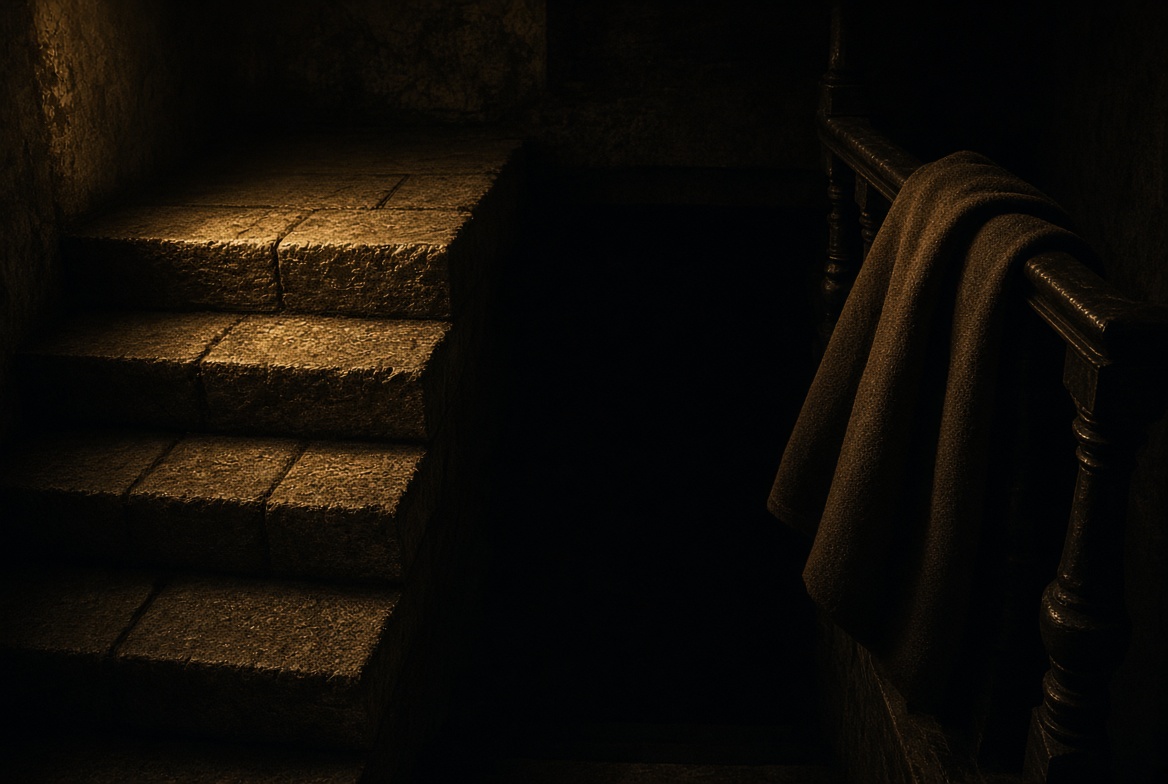 Step Into the Unlit
 Threshold of Names
 The Moment Between