Found Archive
Overview
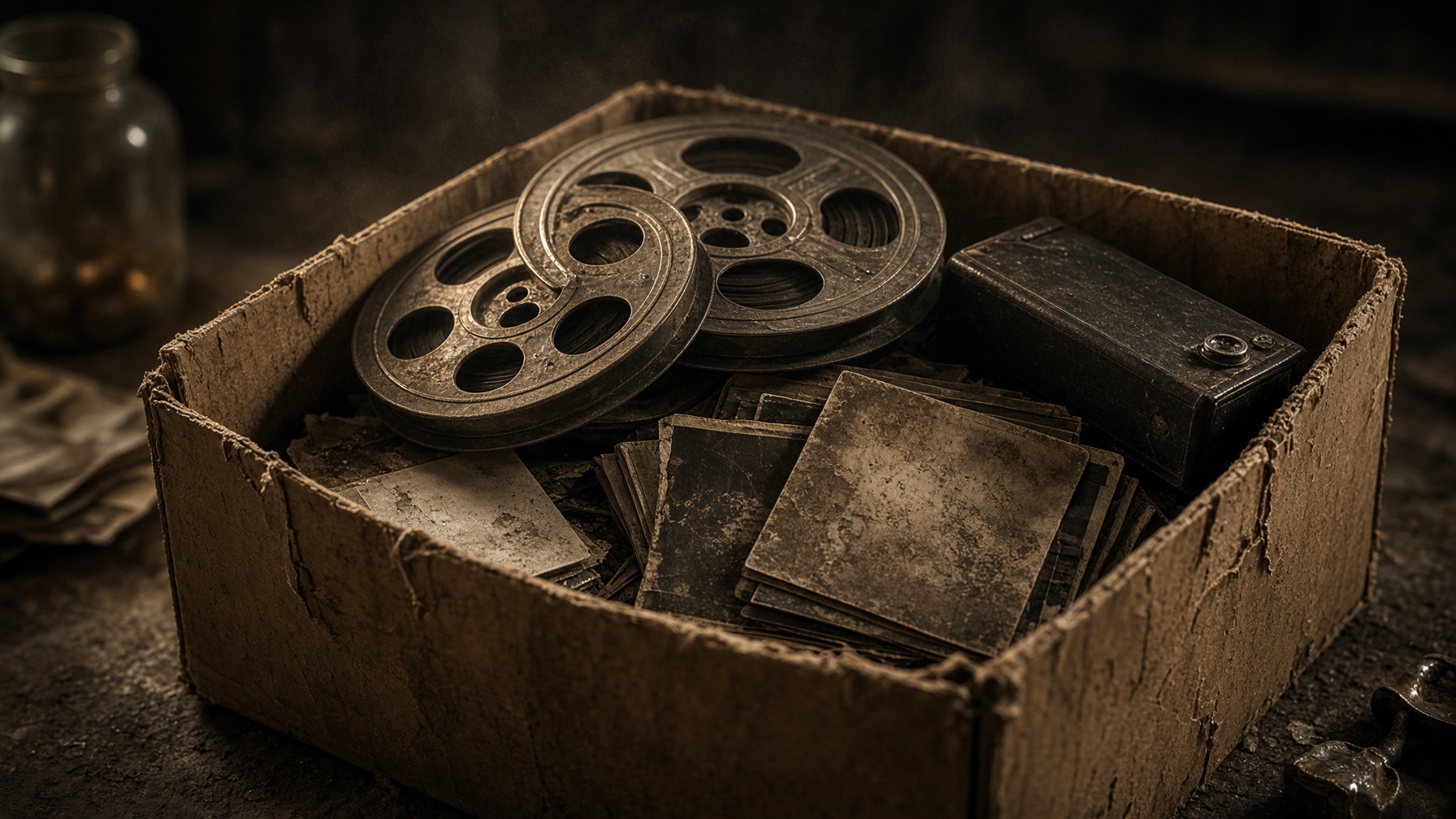
Found Archive is the climate in which a film behaves like a file that survived a cull. The cassette has no sender. The folder kept its number and lost its name. The box is labelled as if a case still existed. Archive Lines holds this climate because the record is incomplete on purpose, not because analog hiss is fashionable.
Human and Fate walks a person after an outcome. Found Archive walks an object after a filing. The visual law is paper, oxide, manila, a warm lamp over a table that has already decided what to keep. Sodium civic night belongs to Quiet Apocalypse. A portrait posing as the climate belongs nowhere in this house.
What the camera refuses: a twist that explains the gap, a monster in the static, a voice-over that translates the hiss into plot. Ivo Harker logs other people's tapes. Leta Quarm keeps lists that no longer match the building. Stellan Pryce copies numbers onto folders. Nedra Holm records air where speech was expected. Caspar Quinn labels boxes. Ruthen Gale decides the cull. Six rooms. One filing. The Watch embed stays empty until a frame is filed. The text is already the document.
Not six hauntings. Six documents.
The principle
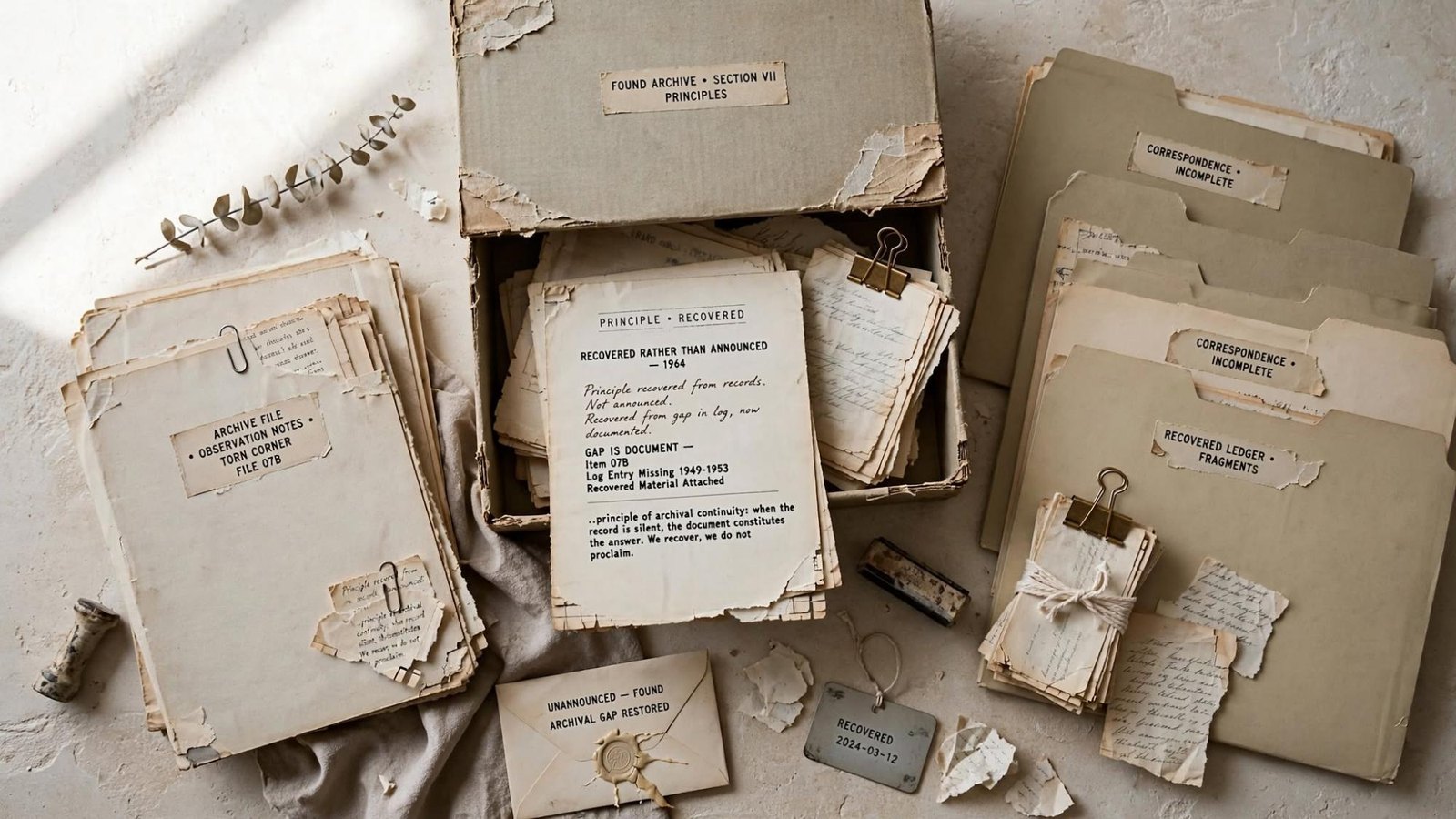
Archive Lines. Recovered rather than announced. The gap is the document. A cassette with no sender is not a letter that lost its envelope. The envelope was the lie. The oxide is what the cull did not bother to kill.
Human & Fate walks a person after an outcome. Found Archive walks an object after a filing. If a voice explained the hiss, the object would become a plot, and the plot would be less honest than the hiss.
Oxide
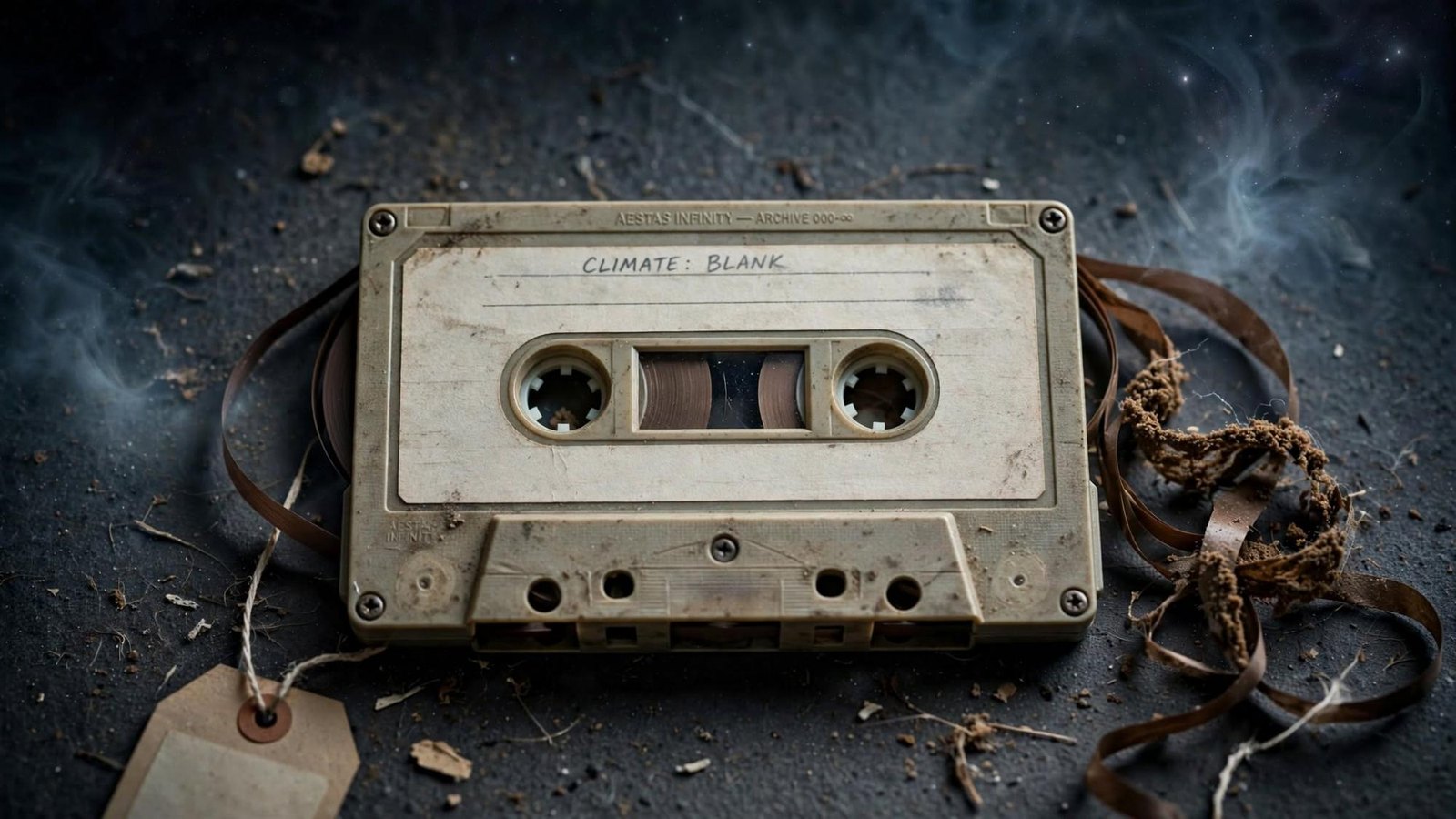
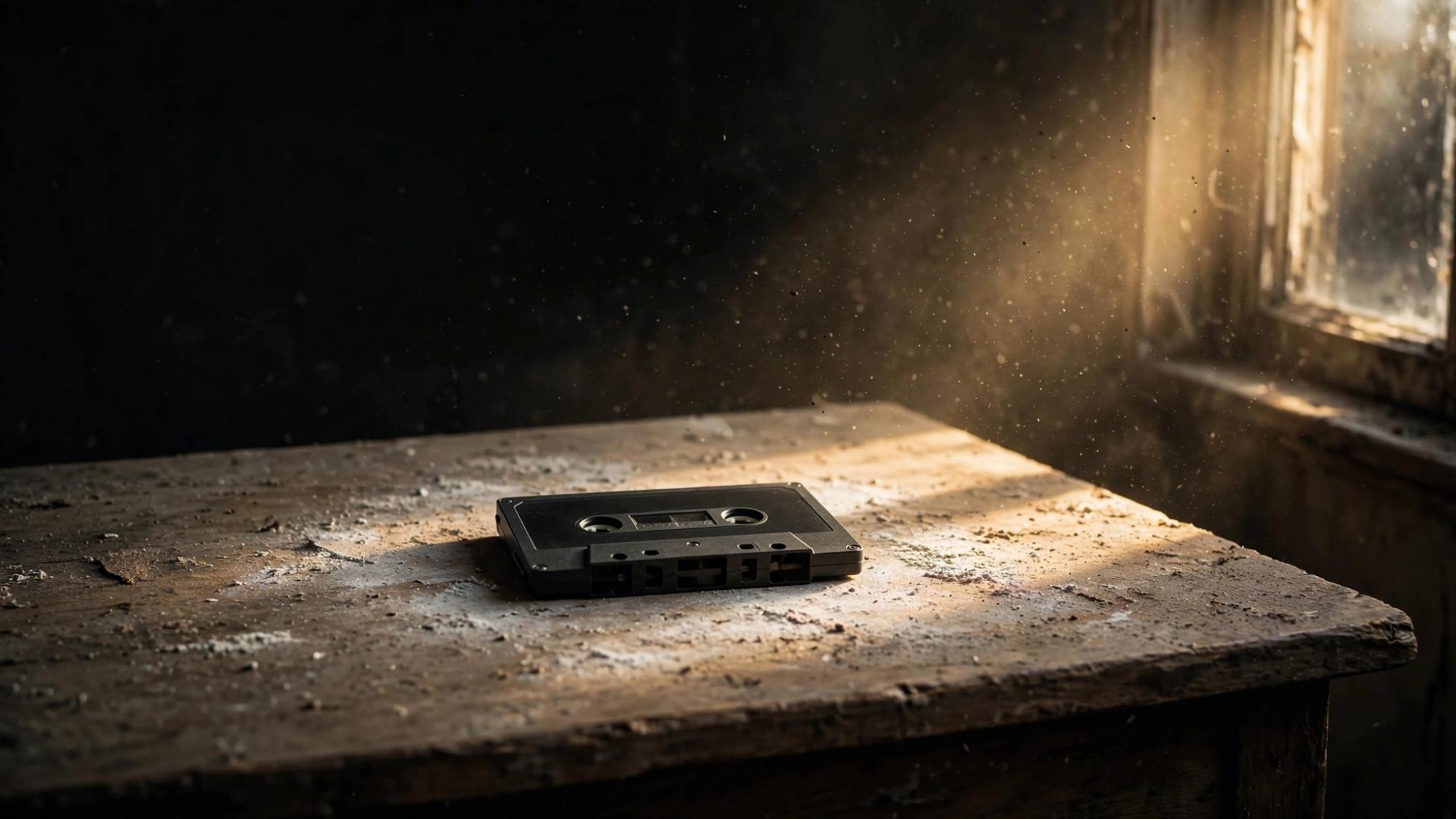
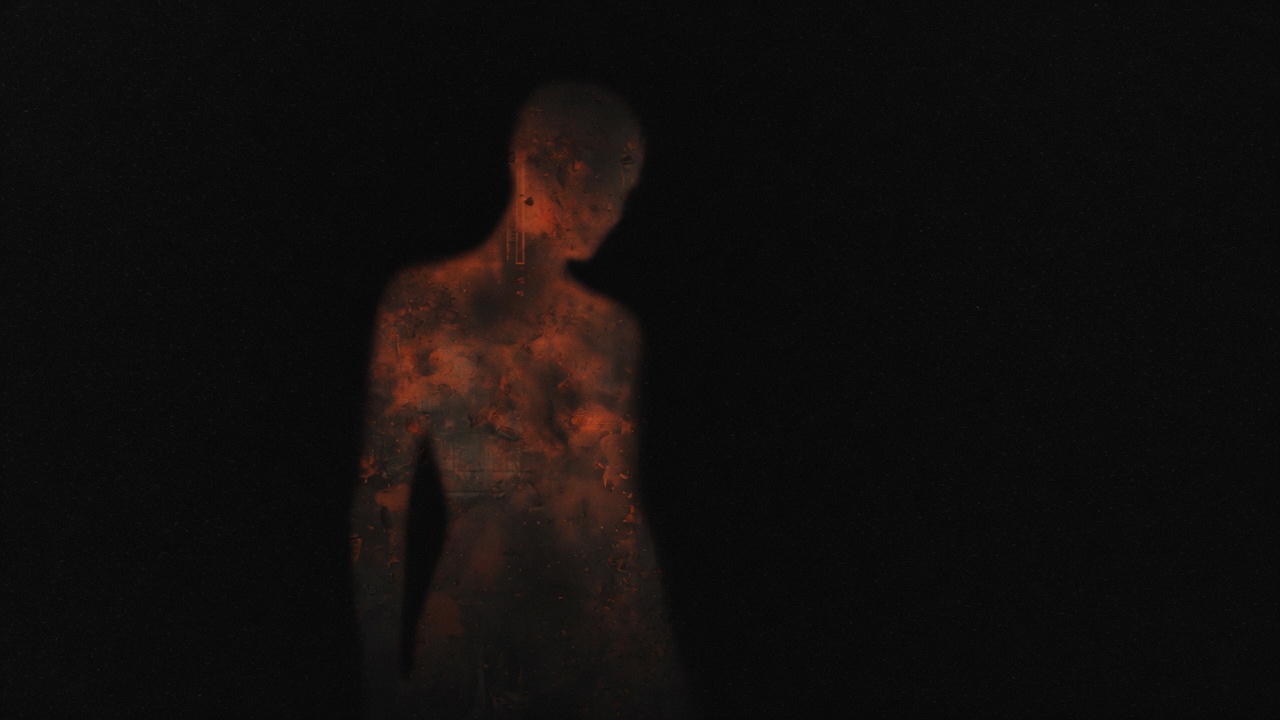
Tape Recovered at Dawn is not décor. Ivo Harker logs other people's oxide. The label is blank because the climate is the blank. A sender would make the tape a letter. Archive Lines refuses the letter. What survived the cull is the tape, and dawn only means the table got a lamp.
Hiss is not atmosphere. It is the part of the room the microphone kept when the speech had already been thrown out. You can want a sentence. The cassette does not work for you.
Manila
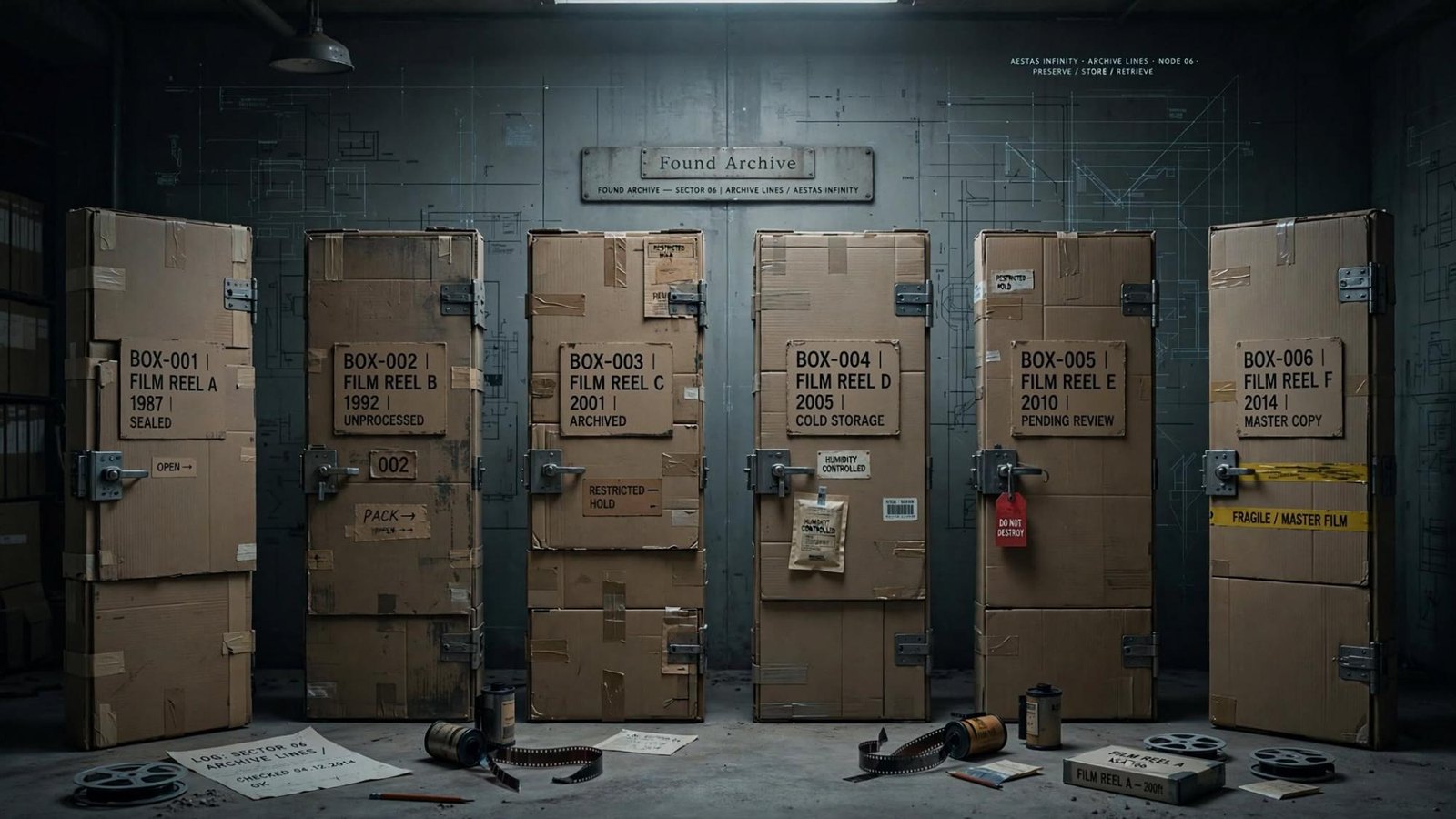
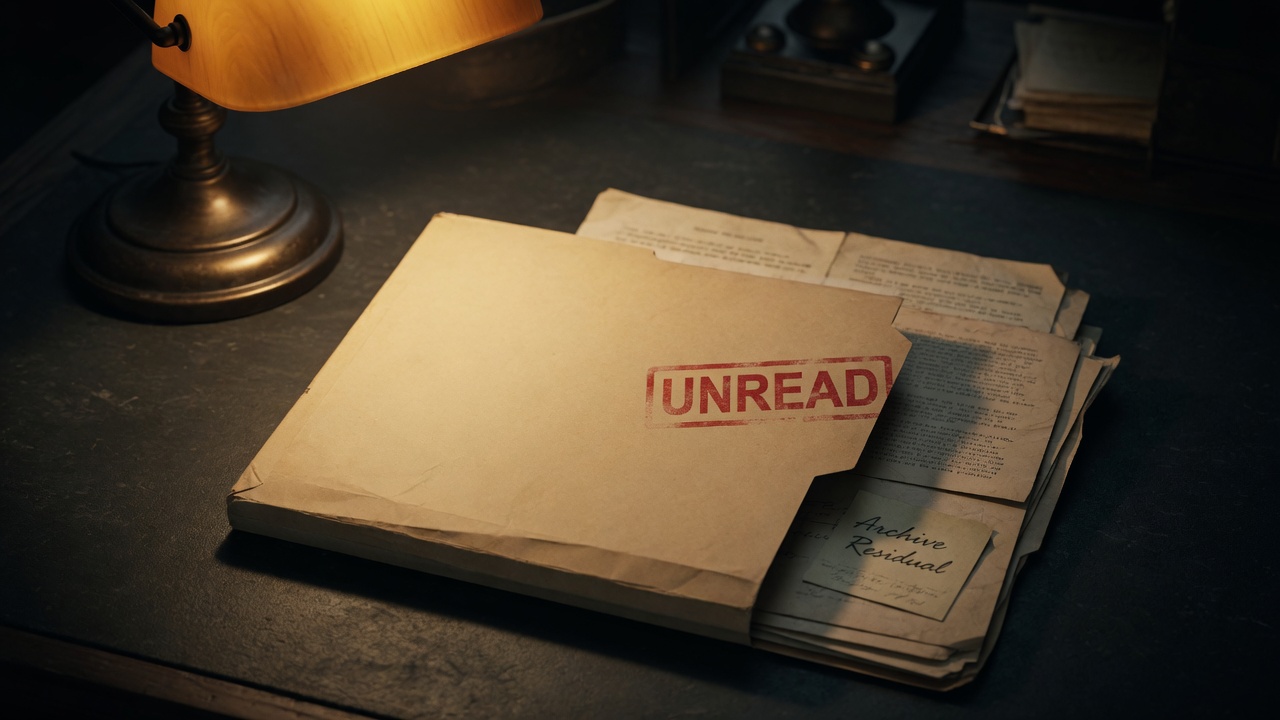
Folder Without Owner kept its number and lost its name. Stellan Pryce copies the number onto a new folder because the old one is tired, not because the name is about to return. Numbers without names are the weather here. Warm lamp, torn corner, no civic sodium night.
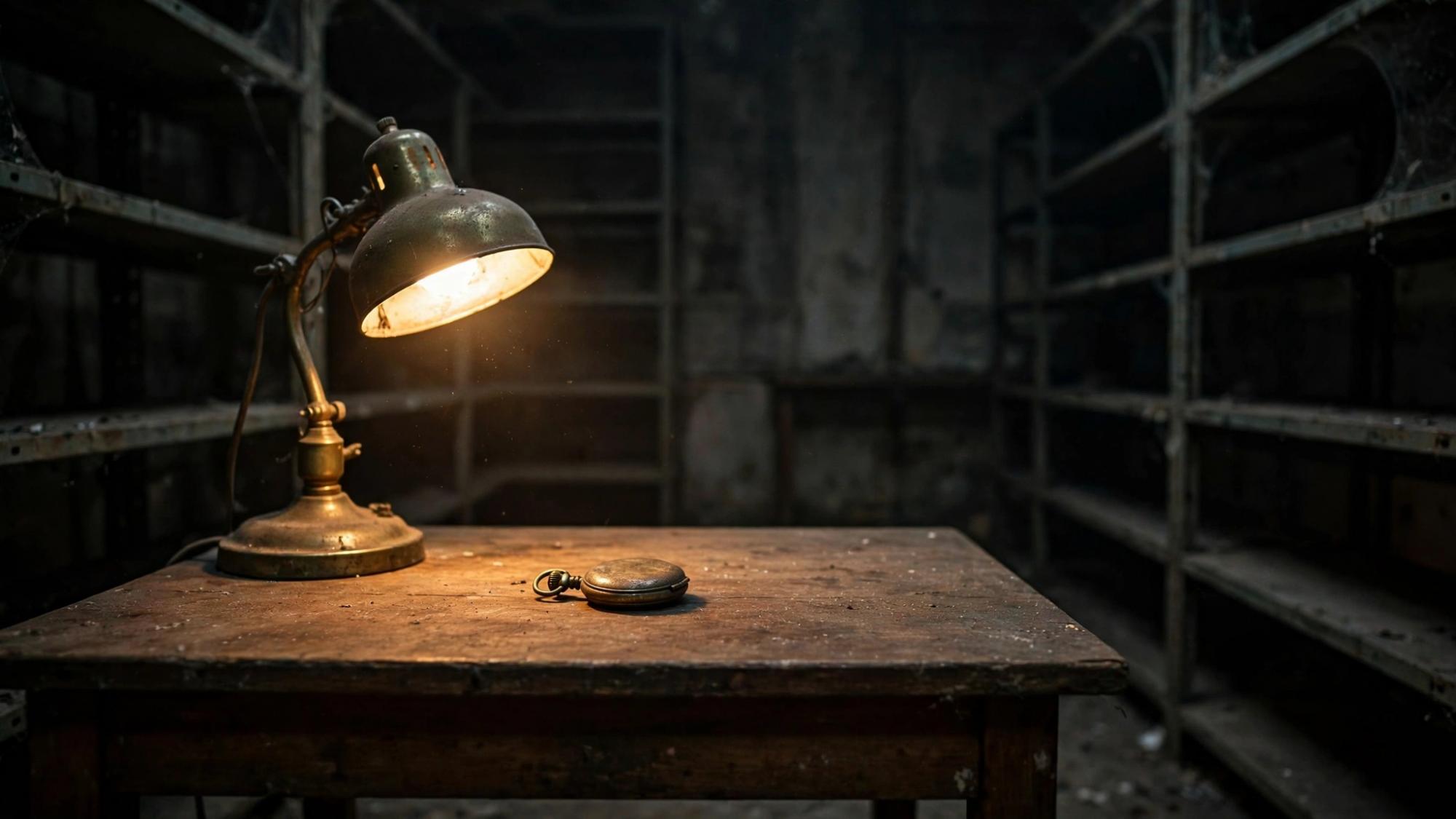
The Lost Inventory is Leta Quarm's list, still readable, still wrong. Room names, door numbers, and the doors themselves opening onto walls the list swears are rooms. The building and the inventory no longer match. She keeps the list. Matching was a younger job.
Evidence Box 12
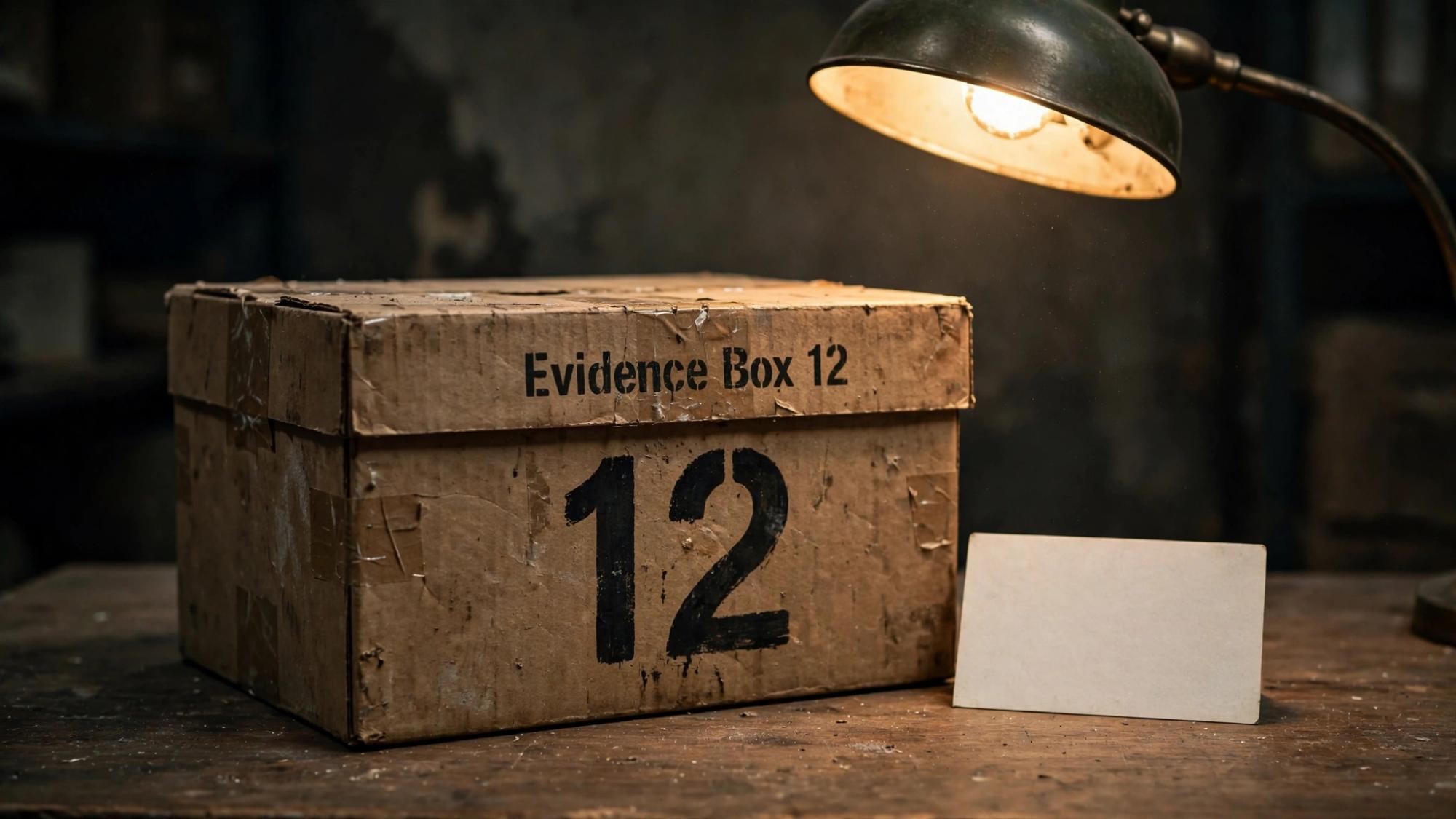
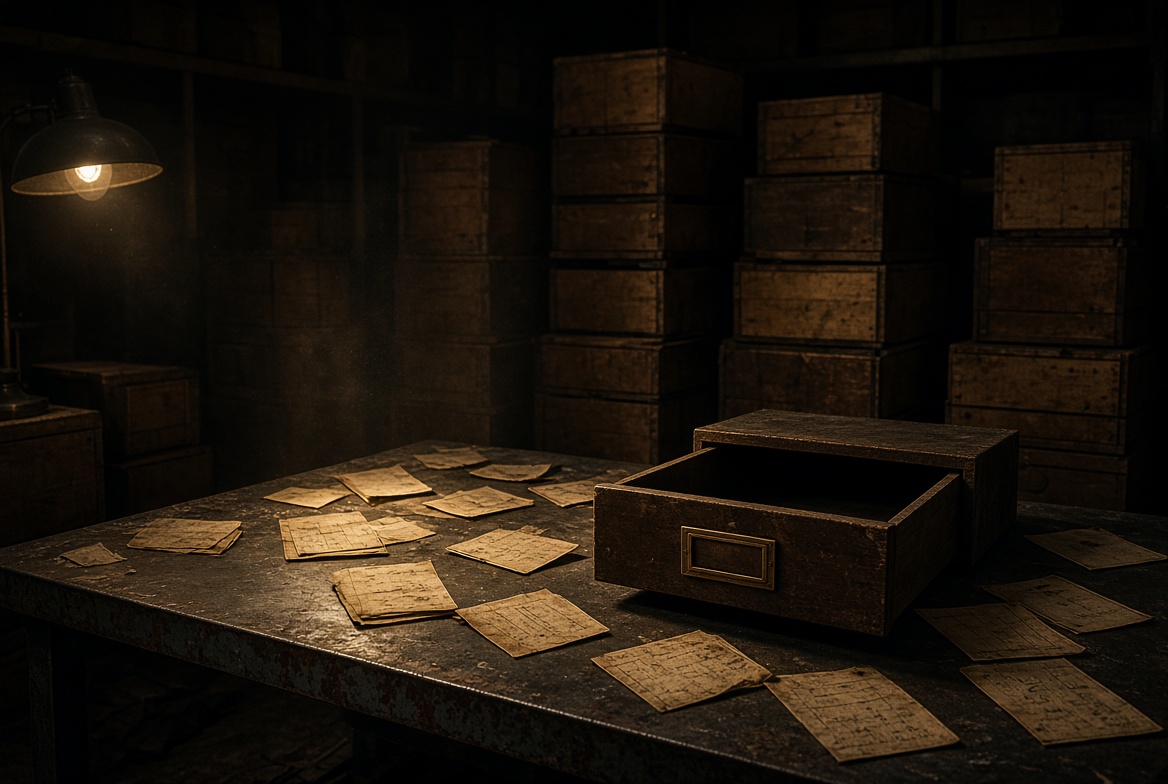
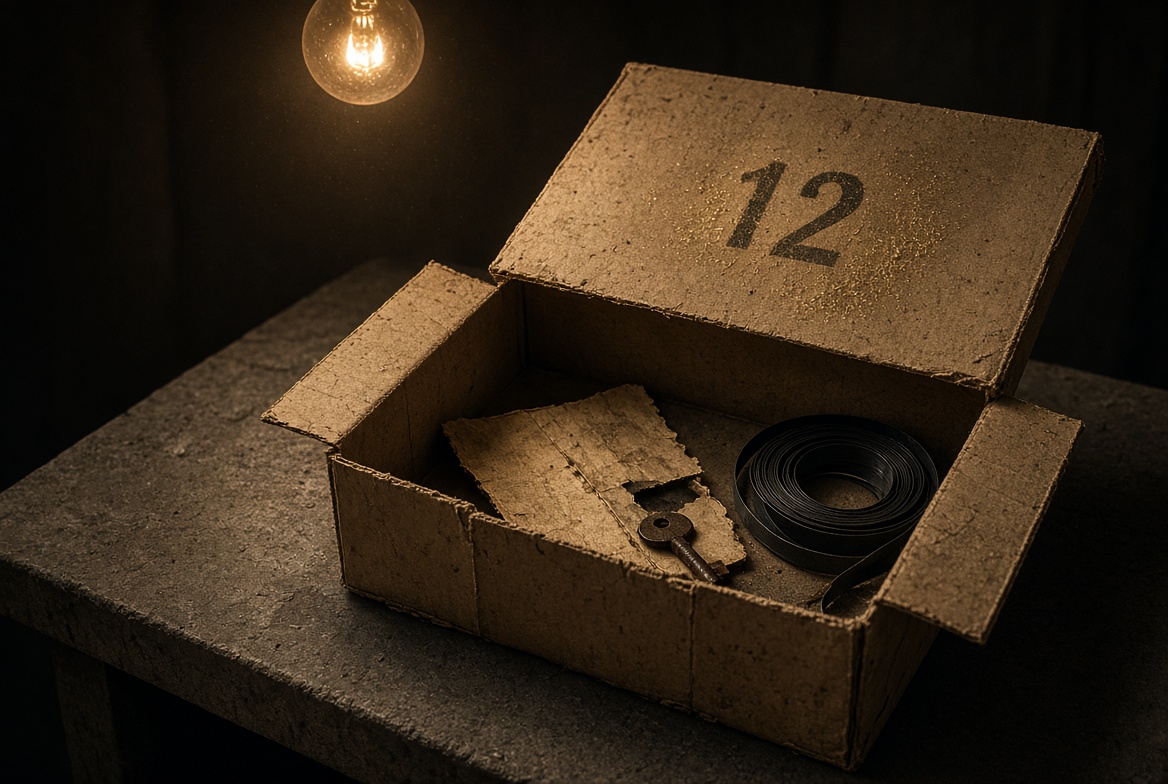
Evidence Box 12 is labelled as if a case still existed. Twelve, legible, unresolved. Caspar Quinn does not upgrade the word. A case that closed would be a story. The box is the refusal to tell it. The lamp is only there so the number can be read by someone who still thinks reading is a kind of solving.
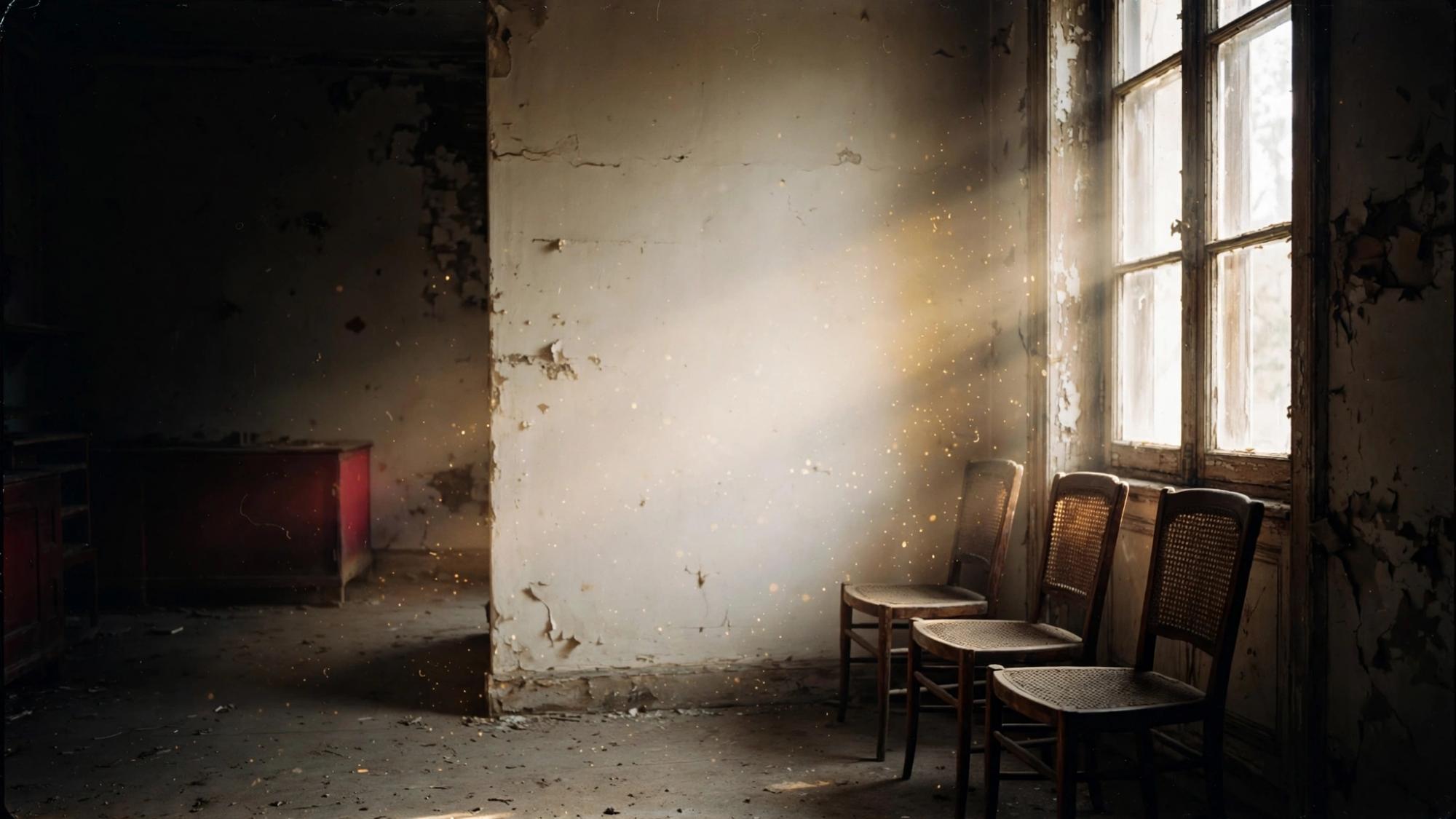
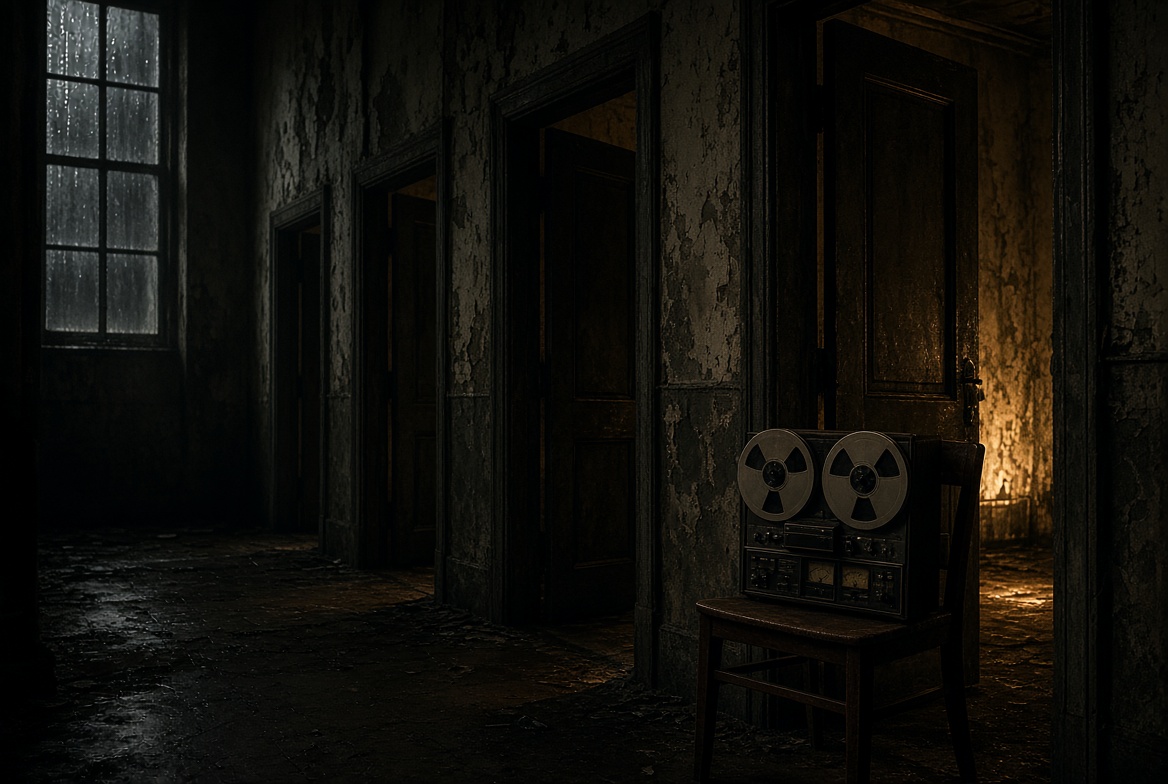
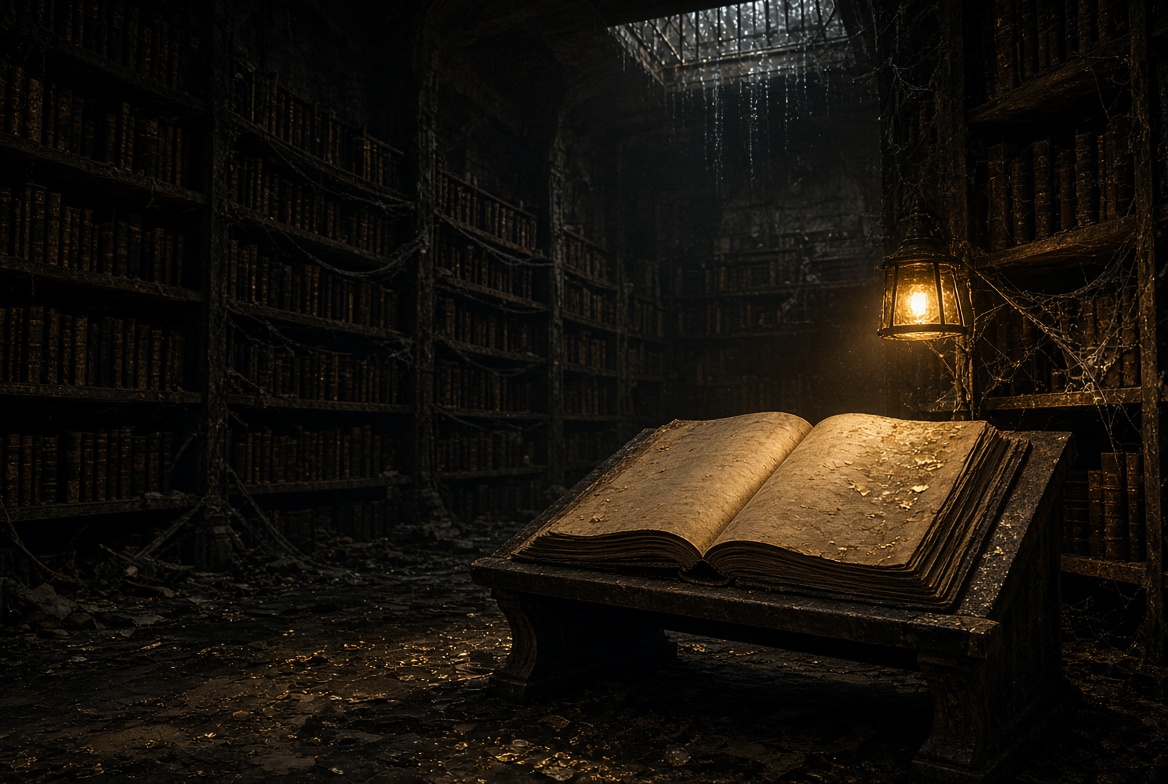
What the Archive Kept is Ruthen Gale's stamp after the cull. One object remains. Not the most precious. The one the rule could not quite classify as waste. Recording of Empty Rooms is Nedra Holm's other version of the same insult: hours logged, chairs by a window, no movement, and the tape filed anyway. No movement is a record. The archive is not romantic about this. It is just consistent.
How to enter
Do not wait for the voice that explains the hiss. Tape Recovered at Dawn with Ivo Harker. The Lost Inventory with Leta Quarm. Folder Without Owner with Stellan Pryce.
Recording of Empty Rooms with Nedra Holm. Evidence Box 12 with Caspar Quinn. What the Archive Kept with Ruthen Gale.
Six rooms. One filing. A story that continues lives under Episodes. These do not.
 Tape Recovered at Dawn
 The Lost Inventory
 Folder Without Owner
 Recording of Empty Rooms
 Evidence Box 12
 What the Archive Kept