Threshold of Names
Key art
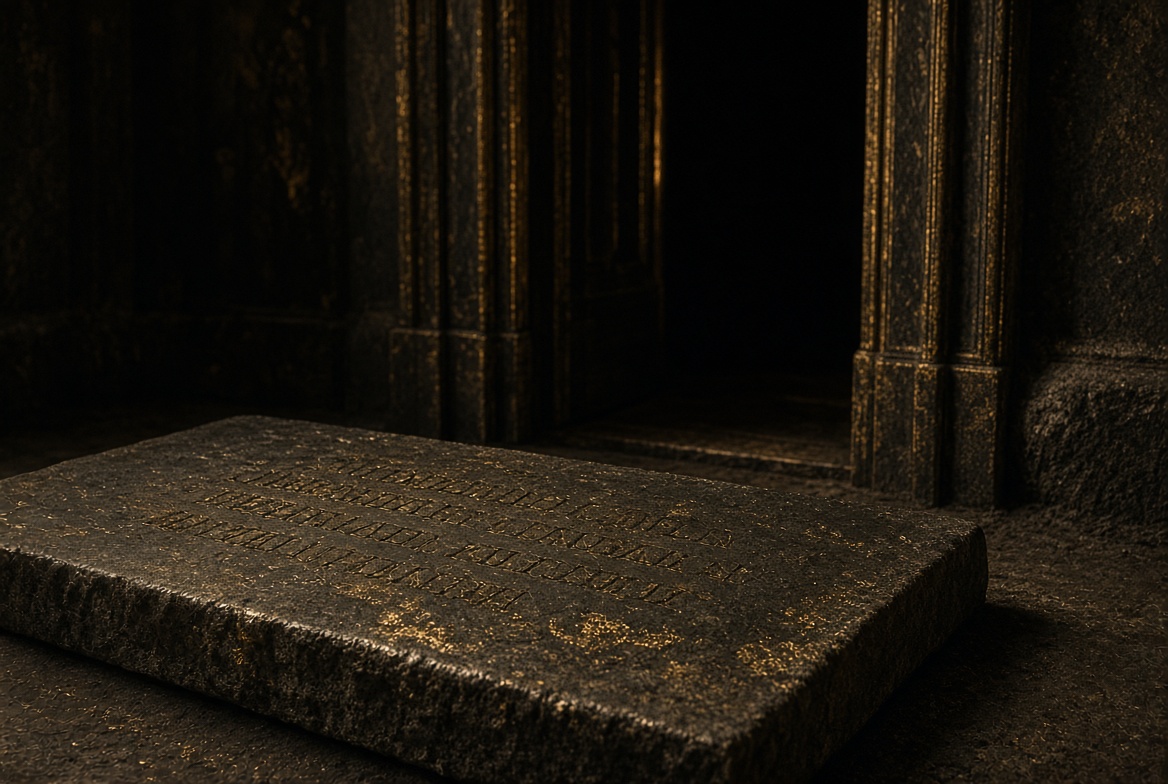
Filed beside the screening
The picture is Threshold of Names.
Scenario
2:57 · 16:9
Noor Ash changes names only at the lintel, and she does not follow the new name into a life. The near room still holds the card she came in with, the old name written plainly, a coat on a peg, a handled door unopened. The card lies flat. The coat hangs straight. The lintel itself is soft wood, pale where earlier names were written and rubbed thin. Some of those earlier names are only a shine now. The threshold is the instrument. The far room stays refused. No light is required from it, and none is taken.
She takes a short pencil from her pocket. At the lintel, not on the card and not on a letter to anyone, she writes the other name in small letters, the one that exists only here. The pencil squeaks. Graphite catches in the grain. She does not say it aloud into the next room. She does not open the door to see who would answer to it. When the name is complete she lifts the pencil and stays on the side she came from. The letters are small enough to miss if the wood were not pale around them.
The fresh letters lighten as the wood drinks the graphite, still readable, a small change that follows the writing and does not carry the name across the threshold. An older rubbed name beside them fades one shade more, as if the wood had only so much darkness to hold. She does not trace the new letters again to darken them. The old card remains on the table, true where it is, untrue at the wood. Her hand leaves the lintel. The handle stays still. Whatever the new name would do in a farther room is not this hour.
The new name is written on the lintel. Noor remains on the side she came from. The pencil goes back into her pocket. The coat stays on the peg. The card with the old name stays flat and plainly written, and the door's handle stays still under nobody's hand. The far side of the lintel keeps its refusal, and the small letters stay where only the wood was asked to carry them.
Noor does not lean across the lintel to hear if the far room would pronounce what she wrote. The short pencil stays in the pocket. The squeak of graphite is over. Small letters, lightened by the wood, remain a name that exists only in that soft pale grain. The older shine of rubbed names stays a shine. Her coat on the peg does not get taken down for a farther life. The handled door does not swing. The card on the table keeps the old name in plain writing, true on the near side, untrue at the wood, and she does not correct either honesty. The threshold remains the instrument. This hour remains the near hour. The far room stays refused, and the new name does not grow legs to cross it.