Francisco de Goya y Lucientes
The file
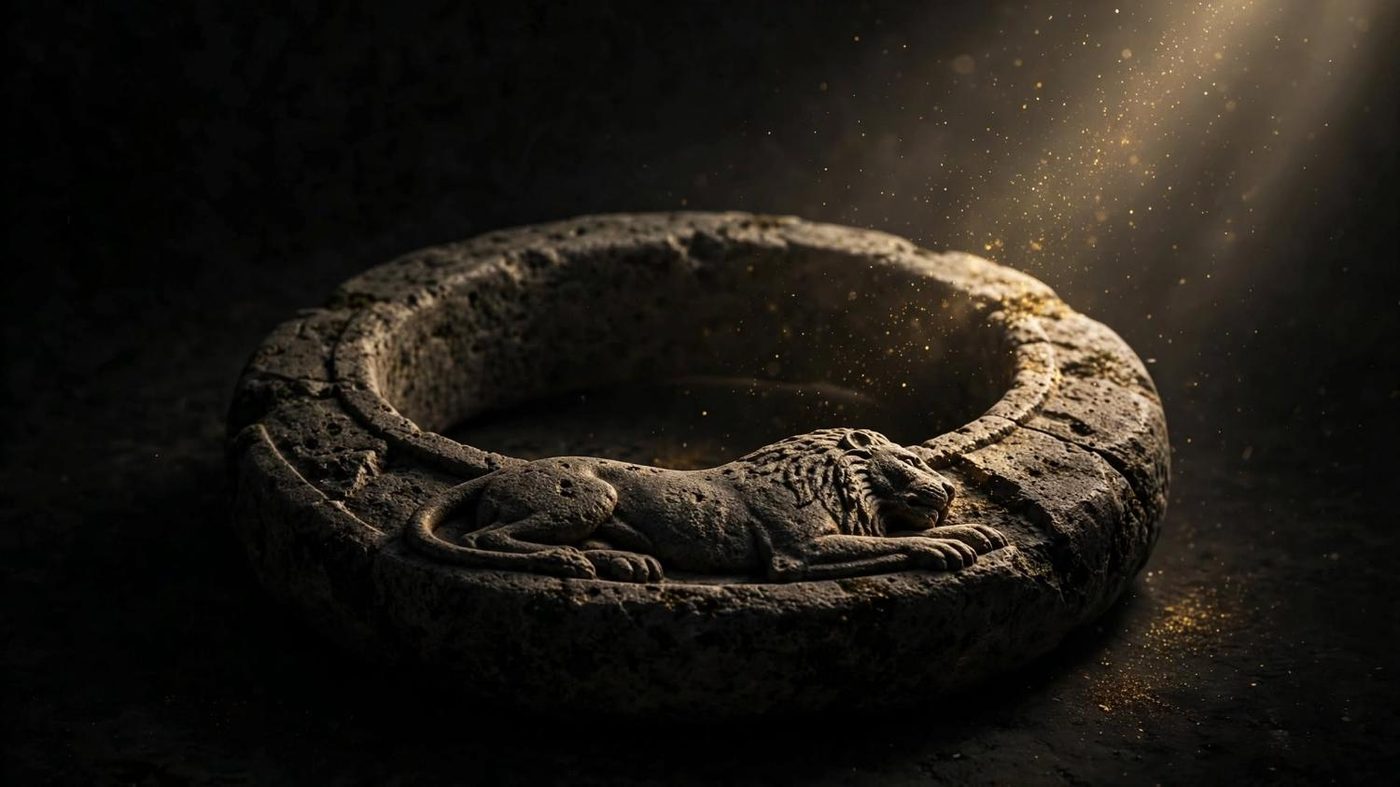
Thirteen plates. One canvas each.
Edition 01 was made by Aestas Infinity in 2026. It is a book in the archive, not a chapter of a series. Thirteen pictures, each after a canvas that still has a room, in the Prado or in Lille. The words sit under the picture. The page is narrow enough for a phone. The cover is a ring of stone, and a lion carved in the ring.
The thirteen
The line under a picture in the file names the canvas, and the amber word opens that work. Where the frame and the museum disagree, both facts are printed.
01
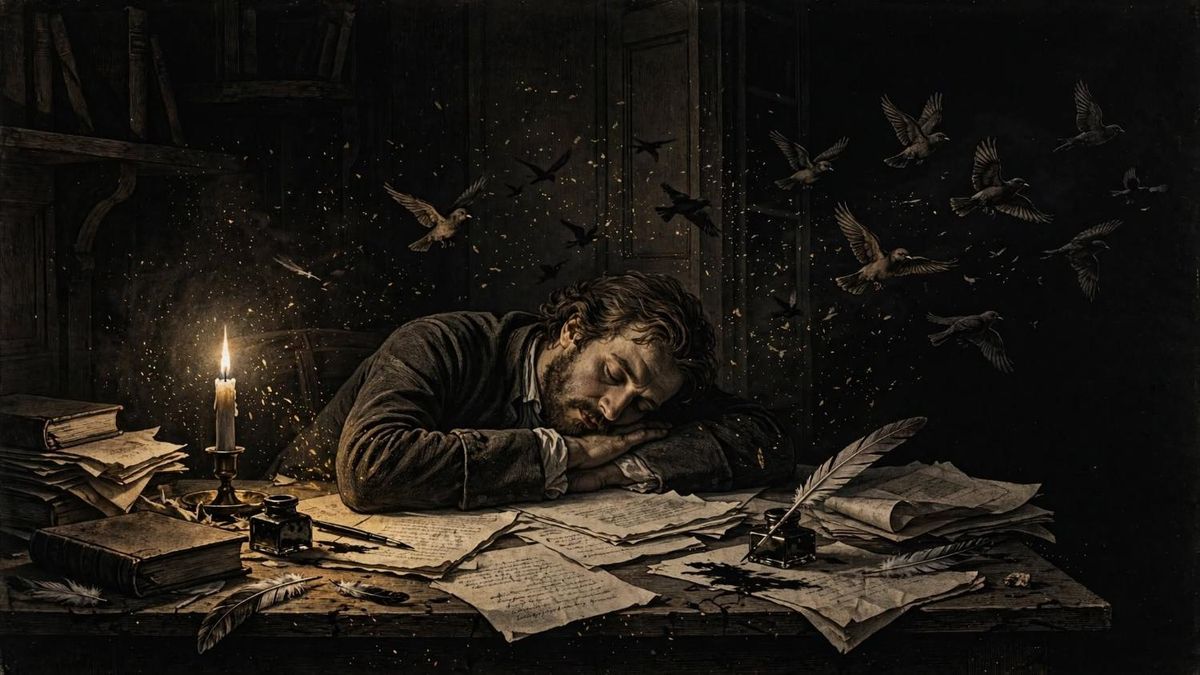
The sleep of reason. The desk, the candle, and the sleep. The etching’s owls are birds here. Capricho 43.
02
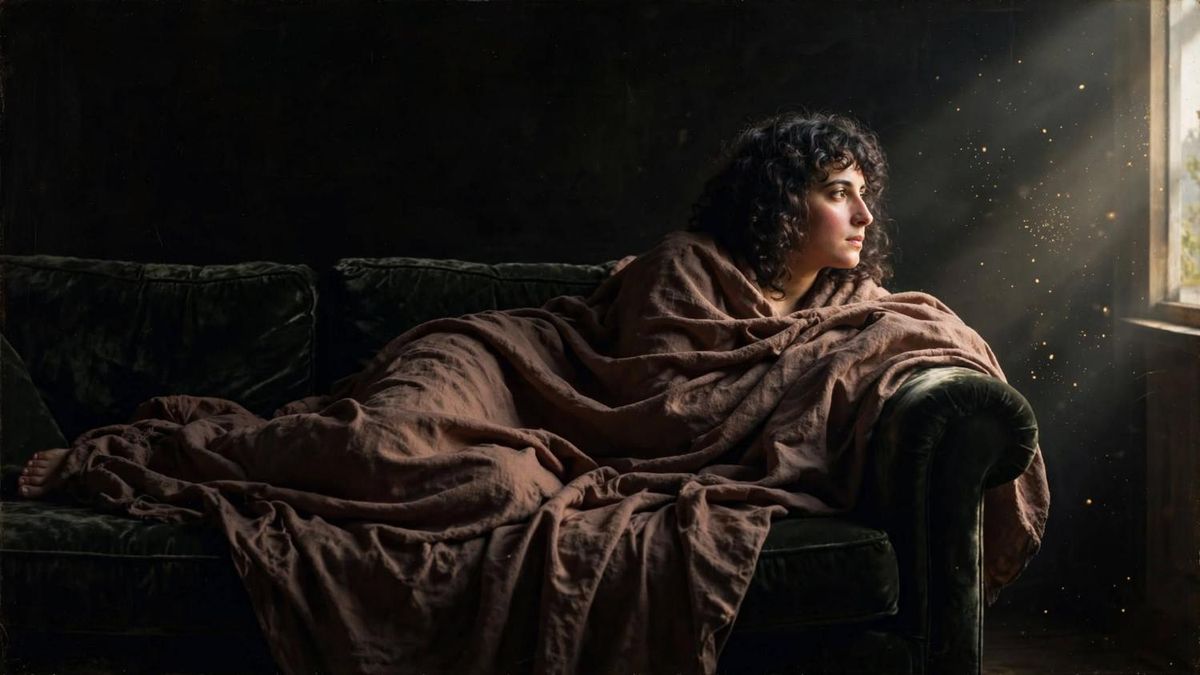
The private room. The Prado canvas looks straight out. This frame covers the body and turns the head. The Naked Maja.
03
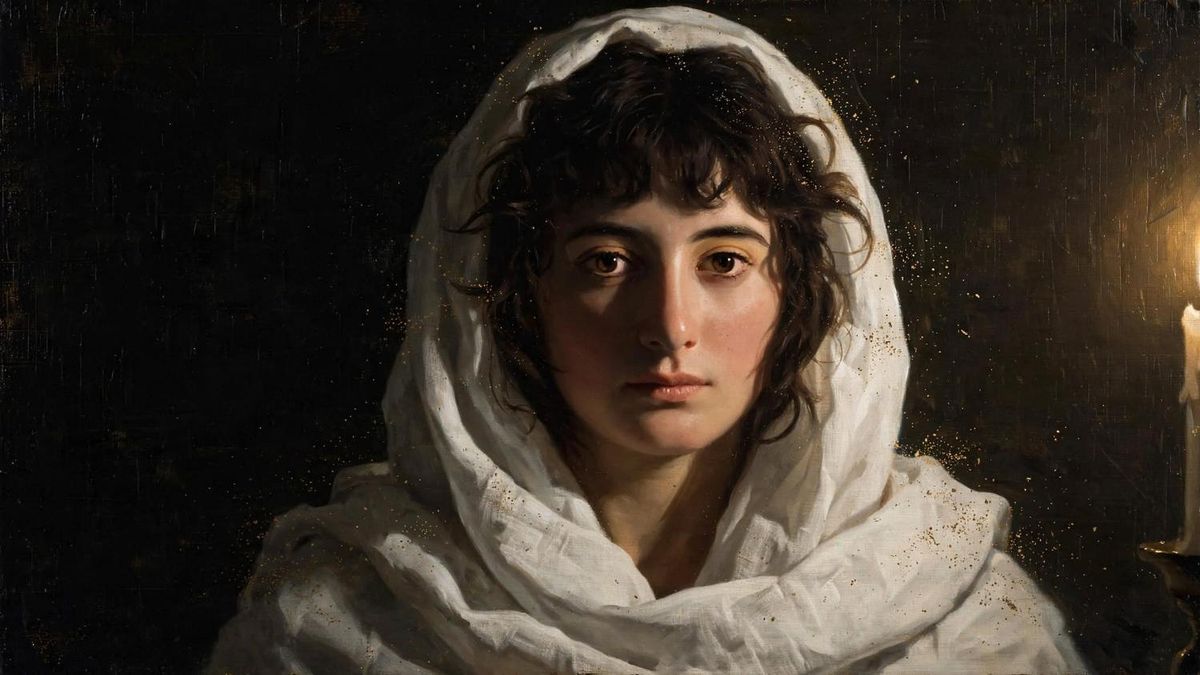
The clothed face. A second canvas, not a detail of the nude. The sofa has left the frame. The Clothed Maja.
04
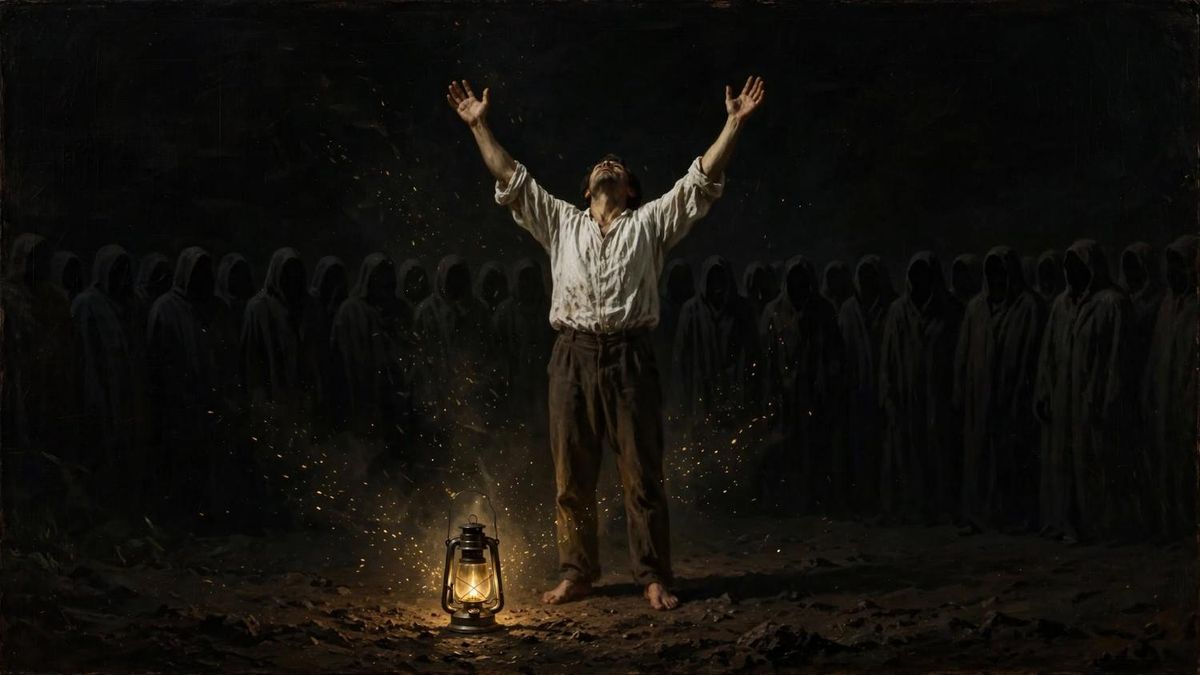
The gesture. Painted in 1814. The rifles stay in the museum picture. The Third of May 1808.
05
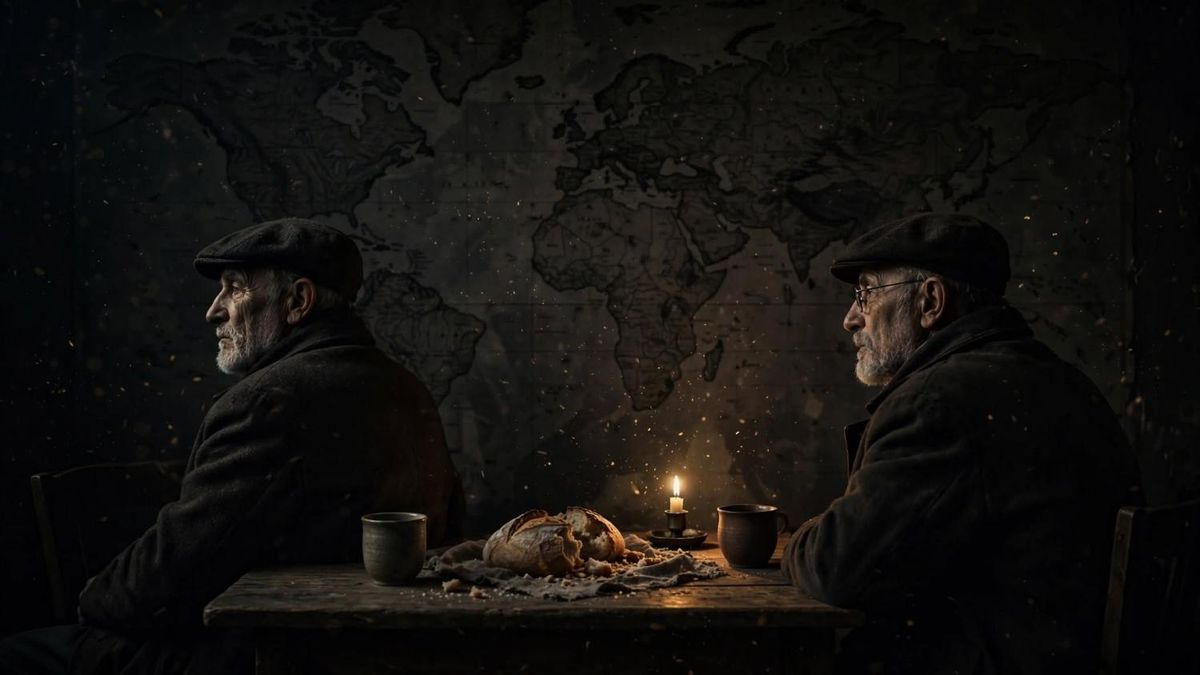
What is not said. On the wall one man speaks into the other’s ear. Here they face each other. Two Old Men.
06
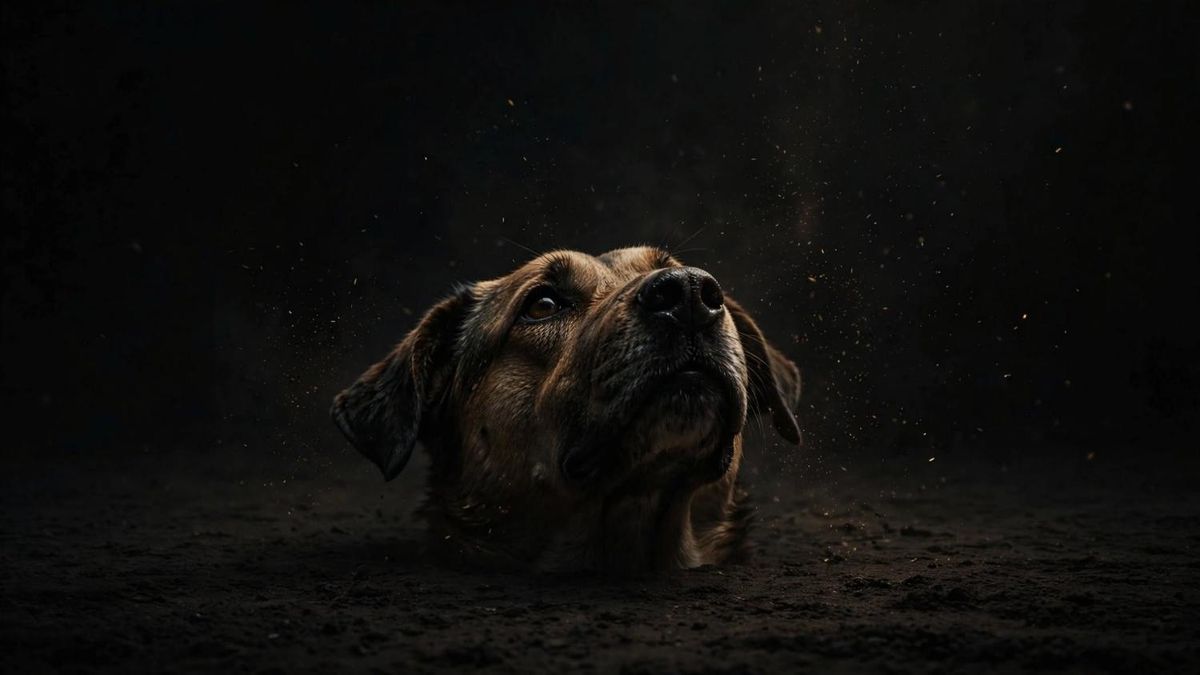
The dog. A head and a slope. Laurent photographed it that way in 1874, before the plaster was moved. The Drowning Dog.
07
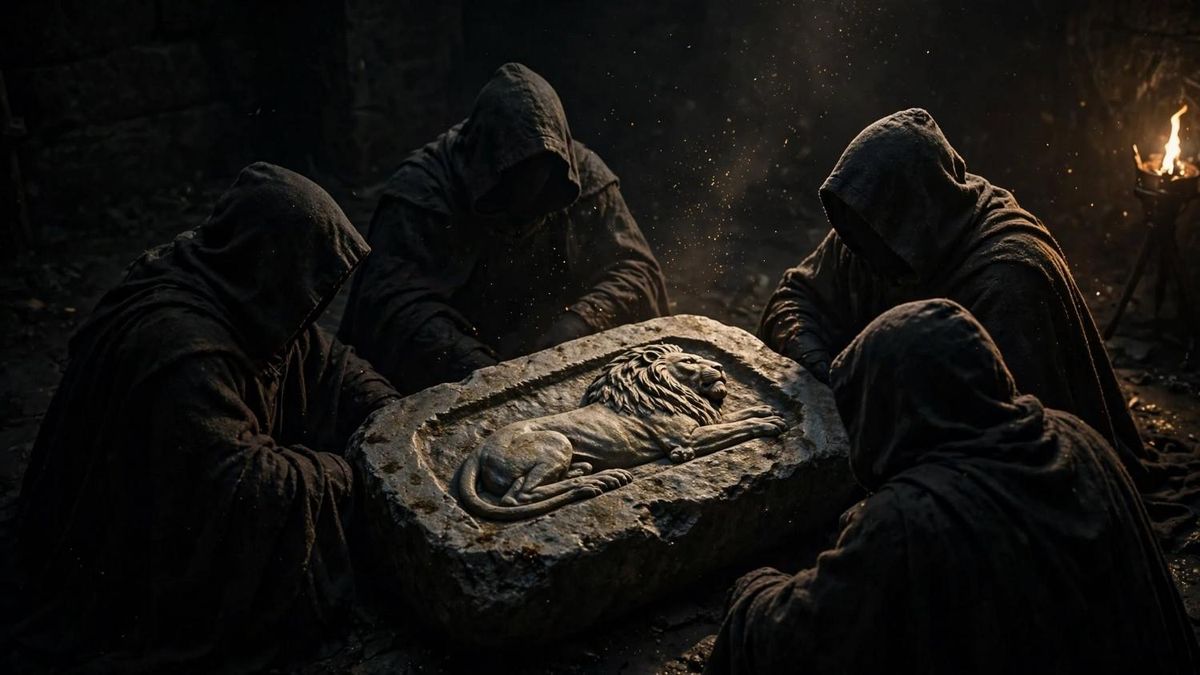
The lion in the stone. The wall has a he-goat and a crowd. This frame has four hoods and a carved lion. Witches’ Sabbath.
08
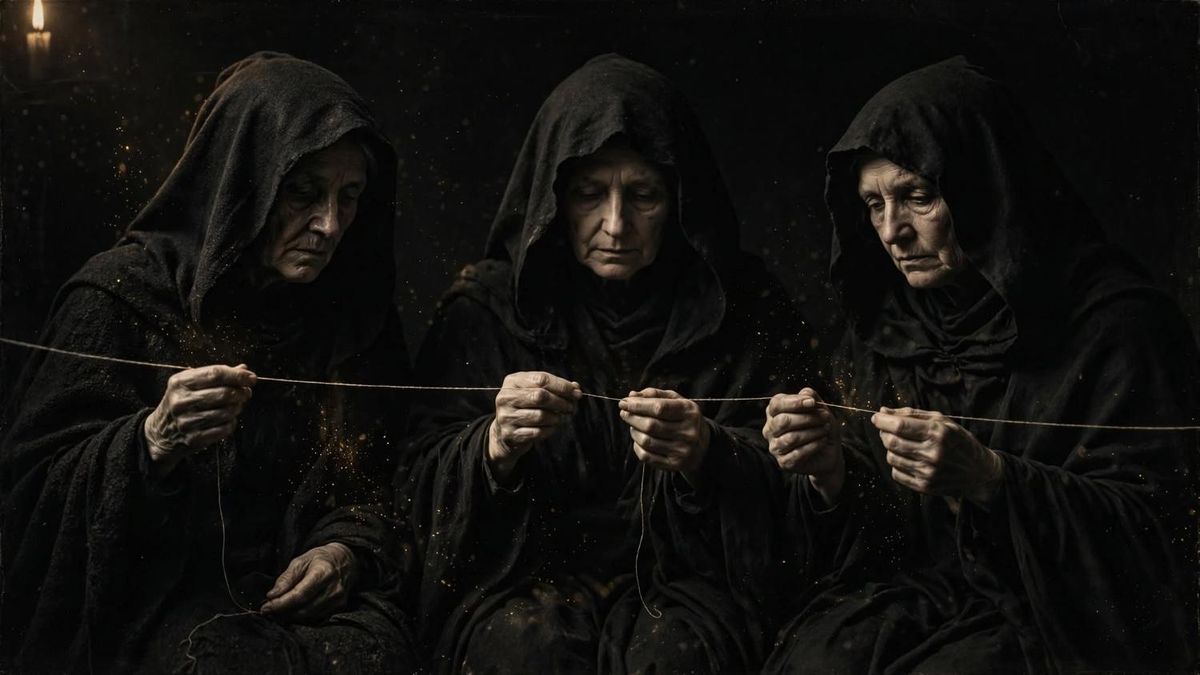
The uncut thread. In the Prado, Atropos still has the scissors. Atropos, or The Fates.
09
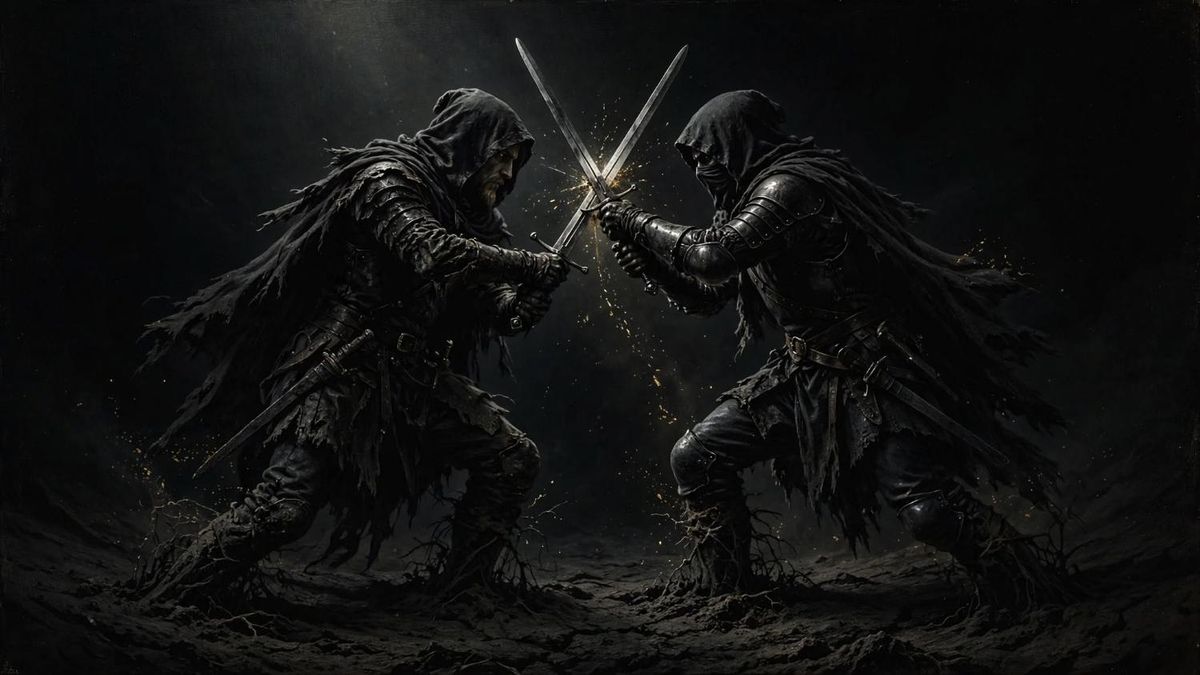
The fight that cannot leave. The wall uses clubs. The plate uses swords. The ground has already decided. Duel with Cudgels.
10
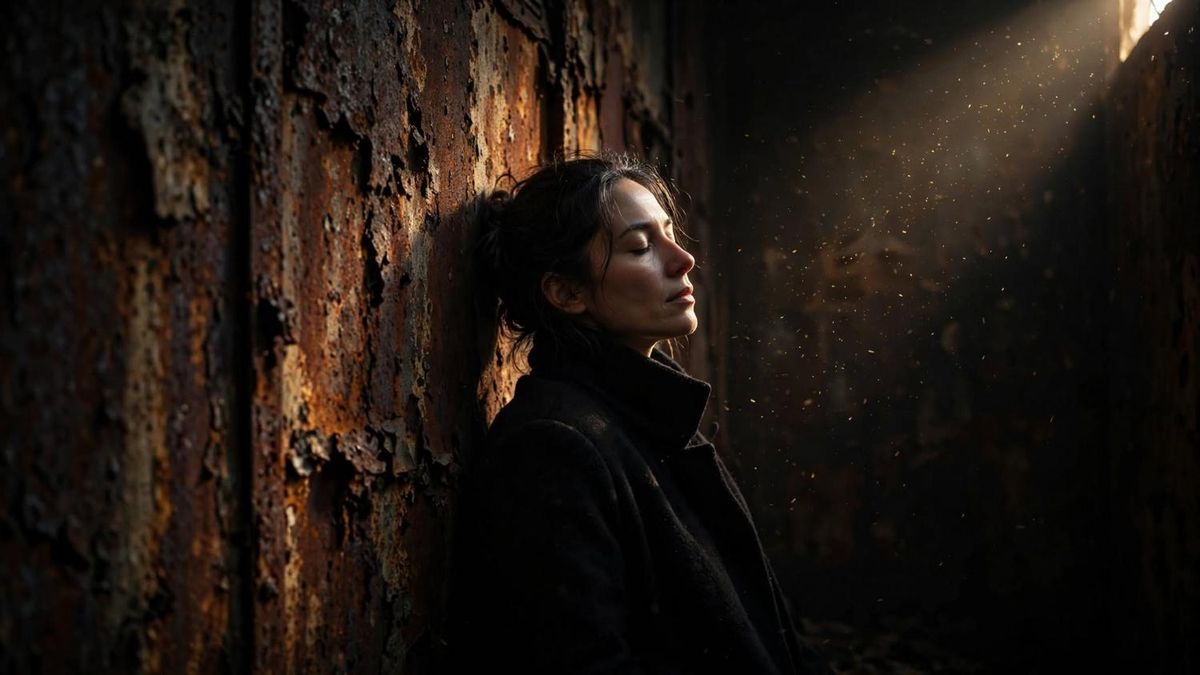
The woman in black. She leans on a mound in the house. Here the mound is a rusted wall. The portrait is not proved. La Leocadia.
11
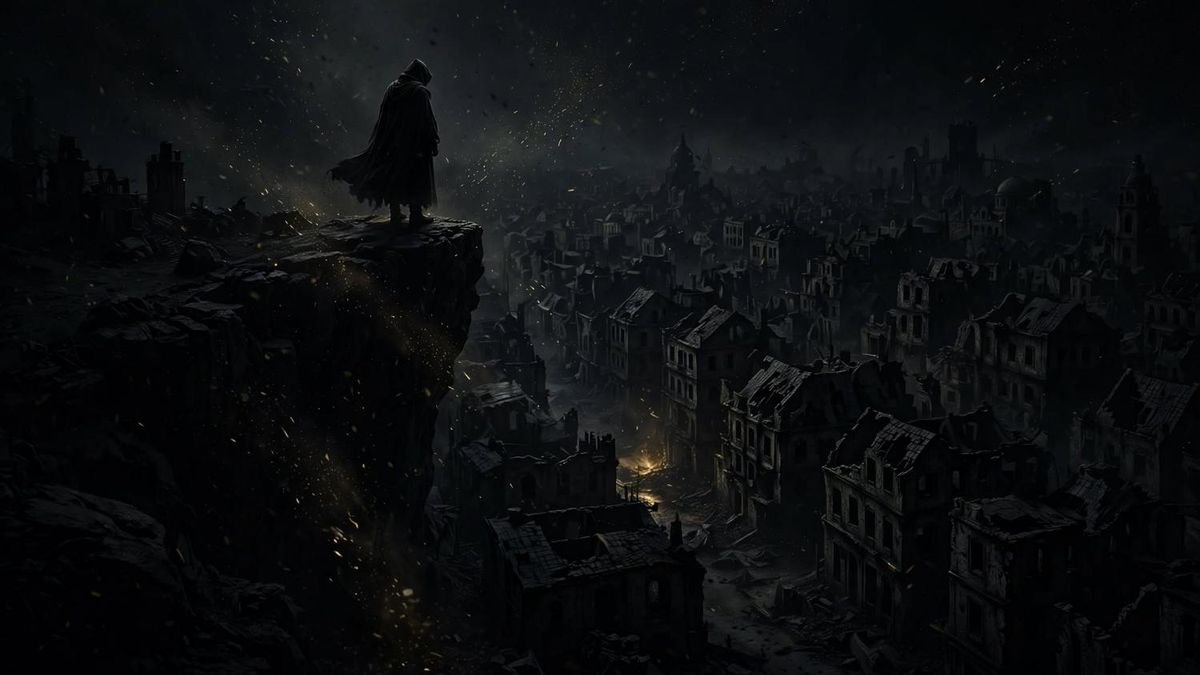
The city not entered. The painting puts two figures in the air. This frame has one man, on foot. Asmodea.
12
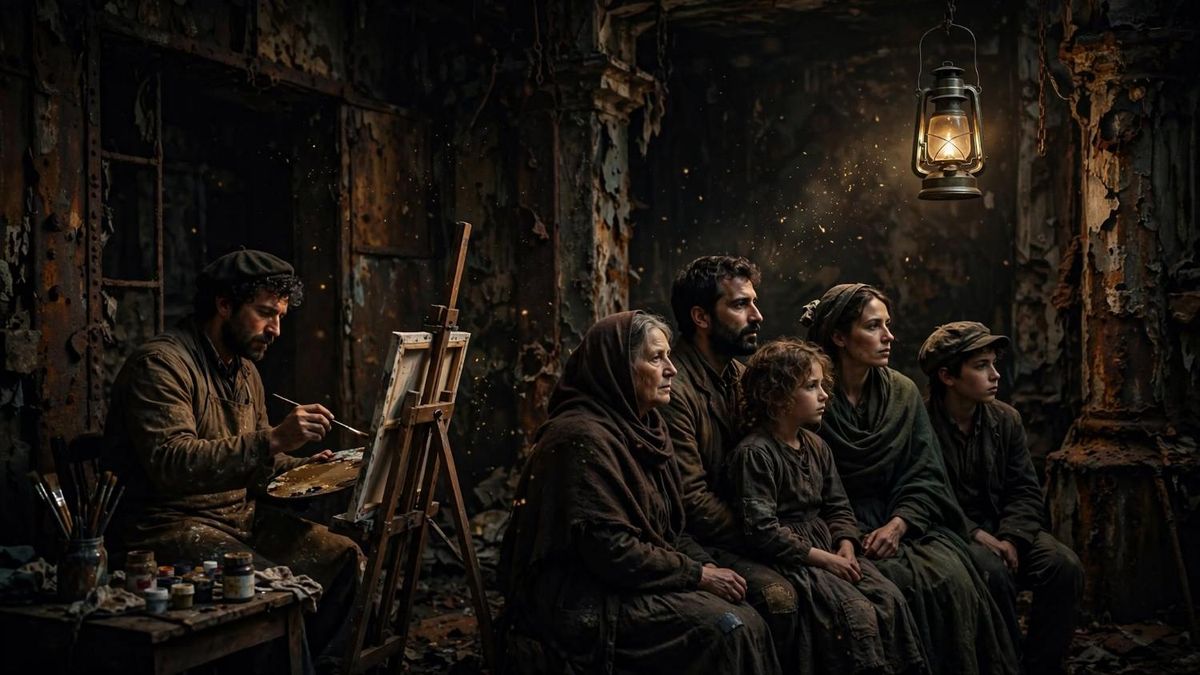
The painter inside. The palace of 1800, after the silk has failed, the maker still in the group. The Family of Carlos IV.
13
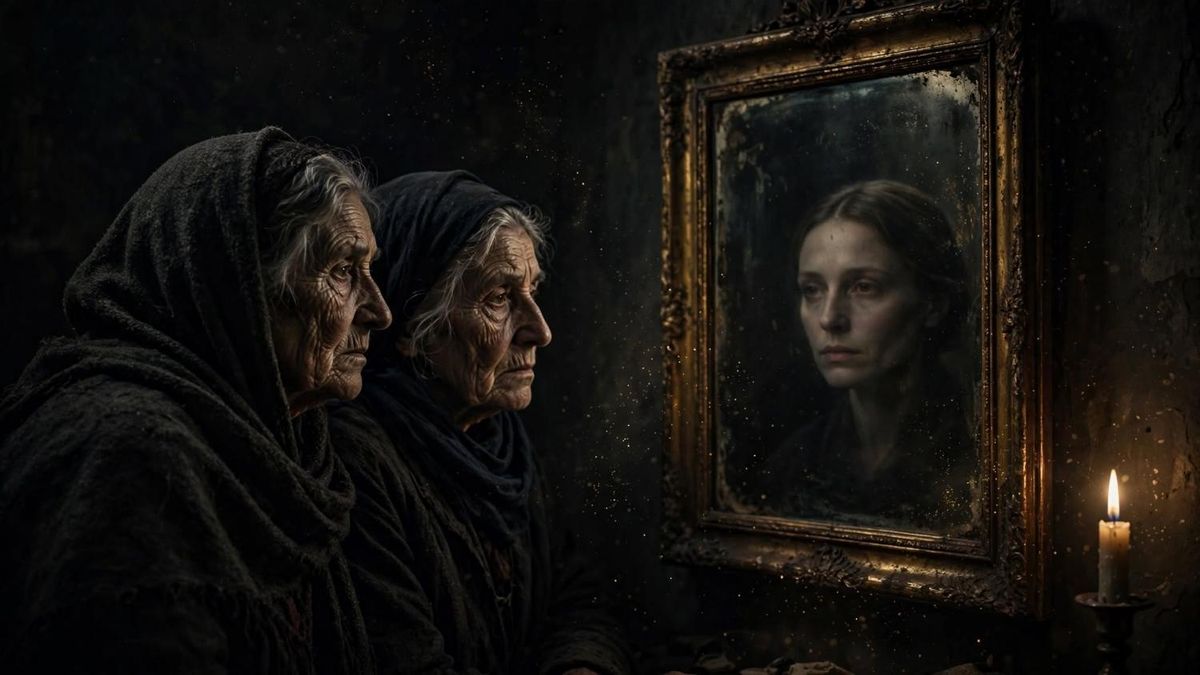
The younger face. Lille. The mirror there reads Qué tal? Time carries a broom. Neither is in this frame. Time and the Old Women.
The house
In February 1819 he bought a house on the right bank of the Manzanares, already called the Quinta del Sordo. In September 1823 he signed it to his grandson Mariano. He was still in Madrid. In June 1824 he left the city for Bordeaux with Leocadia and Rosario. He died there on 16 April 1828.
In 1874 Salvador Martínez Cubells lifted the paintings off the walls for Baron d’Erlanger. Jean Laurent photographed them in place that year. By royal order of 20 December 1881 the canvases were given to the Spanish state. They entered the Prado in January 1882. The house was pulled down in 1909.
The copy
The digital file may be shared under CC BY-NC-ND 4.0. Copy it as it is, for a non-commercial purpose, and say who made it. The license is the rule for this file. It is not a claim on the paintings in the Prado or in Lille.
LTD 100 is the specification for a physical run: one hundred copies, a black slipcase, gold foil, the number and the price left blank until a copy is made. The cover names that run. It does not mean the hundred copies are already in the world. Buying the object, if it is made, is not a license to republish the plates.